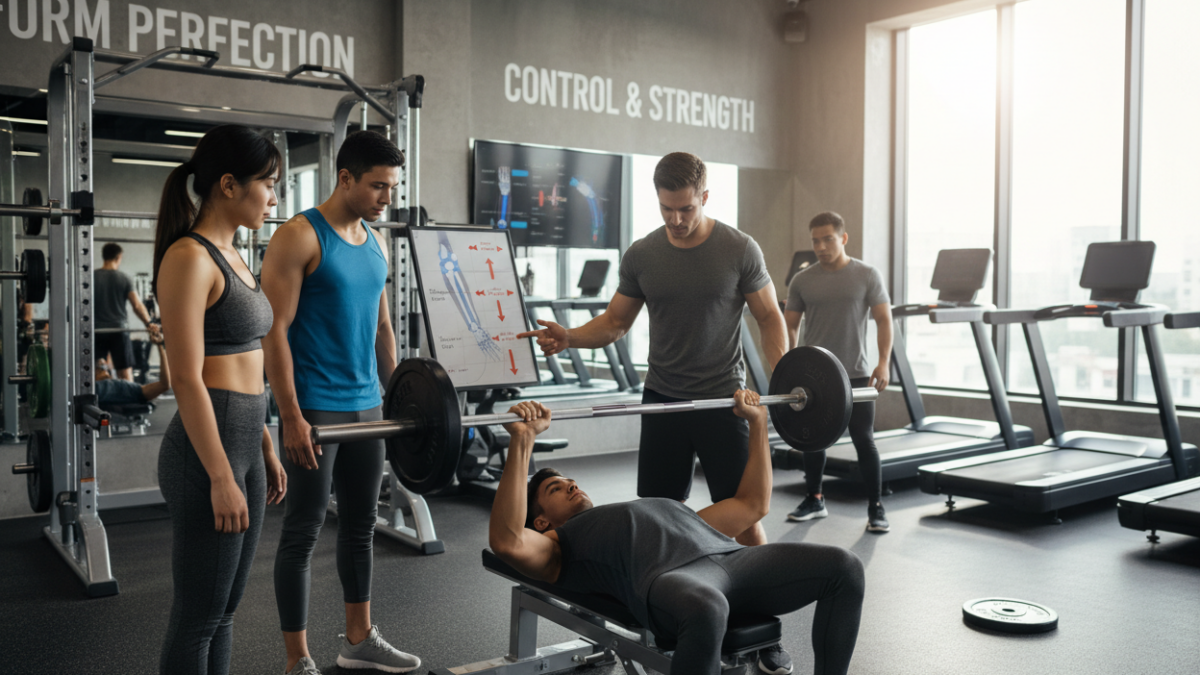

How Dehydration Impacts Muscle Function and Performance

 0
0
 0
0 The effects of dehydration on muscle function can show up fast: lower power, earlier fatigue, and slower recovery after a hard session.
You feel it as heavy reps and longer soreness, but the root is simple — fluid and electrolyte shifts shrink cells, cut blood flow, and strain the systems that power contractions. That raises plasma osmolality and drops plasma volume, creating heat and volume stress that reduce output.
This matters whether you’re sprinting, lifting, or training in heat. Small losses — about 2% of body weight — already blunt performance and slow how quickly you bounce back.
We’ll link clear, practical checks and a hydration plan you can use today, plus when to add electrolytes and when plain water is enough. For related recovery tips and fatigue fixes, see why you might feel drained while.
Key Takeaways
- Small fluid losses matter: ~2% body weight loss cuts performance and slows recovery.
- Plasma volume and cell shrinkage explain lower power and more soreness.
- Heat and electrolyte shifts worsen strain during intense work.
- Use simple checks: body mass change, thirst, urine color to guide intake.
- Add electrolytes when sweat is heavy or sessions are long to protect output.
Why hydration makes or breaks your workout results
Lose just a sliver of body weight in sweat and your training stops behaving the way you expect. Small water loss changes how the heart and blood supply meet your effort. That shift shows up fast in pace, power, and how long you can hold intervals.
What research shows about >2% body mass loss
Crossing ~2% loss usually raises plasma osmolality and cuts plasma volume. That lowers cardiac filling, reduces stroke volume, and drops blood flow to working muscles.
- You’ll notice earlier fatigue and higher perceived effort during exercise.
- The hit is worst for endurance and high‑intensity sessions, and in hot, humid conditions.
- Planned rehydration between bouts restores performance more effectively when heat and duration are high.
Who’s most at risk in the United States and when it matters
Outdoor athletes, heavy sweaters, people in protective gear, those at altitude, plus older adults and youth face higher risk. The danger spikes during long sessions, back‑to‑back practices, and midday heat waves.
| Risk group | High‑risk conditions | Quick tip |
|---|---|---|
| Endurance athletes | Long efforts, heat, humidity | Weigh before/after and drink to replace loss |
| Outdoor workers | Midday heat, heavy gear | Schedule breaks and sip salty fluids |
| Older adults & youth | Poor thirst cues, inconsistent access | Set timed drinking reminders |
What’s happening inside your muscles when you’re dehydrated
During intense sets, some fibers swell and others shrink — and that tug-of-war matters. Small shifts in body water change cell volume and ion balance. That alters how cleanly electrical signals turn into force.
Osmotic swings and ion flux
Think of fibers like sponges. Contracting fibers draw in fluid; resting ones lose a bit. Dehydration magnifies those swings and strains membrane stability.
Less blood, thicker flow
When plasma volume drops, less fluid reaches working tissue. Blood grows more viscous at greater loss, so oxygen delivery and waste removal lag. That hurts strength and short-term performance.
Heat, coupling, and membrane stress
High muscle temperature raises passive tension and can misalign cross-bridges. Calcium handling falters and excitation-contraction coupling becomes messy. The sarcolemma also grows leakier, so contractions feel weaker and recovery slows.
- Quick tip: Sip to limit big osmotic swings and protect contraction quality.
- Quick tip: Watch weight change and heat — they predict when fluid and electrolytes matter most.
| Stress type | Main change | Training tip |
|---|---|---|
| Osmotic | Cell volume shifts | Steady fluid intake |
| Circulatory | Lower plasma volume | Replace lost fluid between bouts |
| Thermal | Higher muscle temp | Cool and pace work |
Effects of dehydration on muscle function
When you train while short on fluid, your reps feel heavier and top‑end power fades fast.
Expect three clear trade‑offs:
- Strength: sets feel harder, bar speed drops, and near‑max lifts lose crispness.
- Power: fewer quality reps and lower sprint peaks late in a session.
- Endurance: your perceived effort climbs and sessions cut short in heat.

Dehydration also slows recovery. Eccentric damage tears sarcomeres, alters membranes, and lets calcium leak in. That activates repair enzymes and inflammation, which raises pain and keeps strength down for days.
Biomarkers like creatine kinase and myoglobin often rise 2–6 days after hard work, but what you notice first is sharper soreness and reduced force on follow‑up workouts.
| Area | What you’ll feel | Quick fix |
|---|---|---|
| Strength | Heavier sets, slower lifts | Rehydrate between sets; add sodium after long efforts |
| Power | Fewer explosive reps, slower sprints | Shorten intervals and sip electrolytes in heat |
| Recovery | Longer soreness timeline, delayed gains | Prioritize full rehydration and cooling after long work |
How dehydration shows up in the real world
You’ll spot real-world signs when your body’s fluids and salts no longer match the work you’re asking of it.
Cramps and spasms: the hydration-electrolyte-fatigue triangle
Cramping is usually a mix of low salt, tired nerves, and tired muscles. When circulation drops, working tissue gets less oxygen and fuel. That makes motor nerves more excitable and contractions harder to relax.
Quick signs: twitchy calves late in a run, foot cramps after court work, or hand spasms during long grip sessions. Drinking lots of plain water after heavy sweat can dilute sodium and potassium and actually make cramps more likely.
Muscle weakness and early fatigue during and after activity
You might feel weaker than usual or stop sooner than expected, especially in heat. Reduced blood flow to working tissue limits fuel and slows waste removal. That raises perceived effort and shortens your workout.
- Practical checks: dark yellow urine, sudden uptick in cramps, or a dry mouth are red flags to hydrate and add electrolytes.
- Quick fix: pause, stretch the cramped area, sip a salty drink, and plan short drink breaks in future sessions.
- Plan: include sodium during long or sweaty work instead of chasing cramps afterward.
| Problem | Why it happens | Immediate action |
|---|---|---|
| Cramps | Low electrolytes + fatigue | Sip a sports drink, gently stretch |
| Early fatigue | Poor blood flow, low fuel | Shorten intensity, hydrate, cool down |
| Post-session weakness | Incomplete rehydration | Replace fluids + sodium, rest |
Build your personal hydration plan before, during, and after exercise
Build a simple hydration routine you can use before, during, and after any session to keep power and recovery on track.
Before you train
Arrive euhydrated by sipping water with a pinch of sodium in the 2–4 hours before exercise. Avoid chugging right before warm-up to stop sloshing and nausea.
During workouts
Weigh yourself before and after a session to estimate sweat rate. Aim to limit body mass change to about 2% by matching fluid to conditions and intensity.
- Carry a measured bottle and note how much you use.
- Add sodium when sessions are long or sweat is heavy to support electrolyte balance and steady performance.
After training
Replace ~125–150% of lost body mass within a few hours. Include sodium to aid retention and add carbs + protein to jump‑start recovery and rest.
Simple field checks
Use thirst as a cue, then verify with urine color (pale straw), morning body mass trends, and how often you pee during the day. For two‑a‑day work, front‑load recovery with a sodium drink soon after session one.
| When | Quick action | Why it helps |
|---|---|---|
| Before | Sip water + pinch of sodium | Arrives euhydrated, reduces slosh |
| During | Match bottle use to sweat loss | Keeps body mass change ≲2% |
| After | Replace 125–150% lost weight | Restores balance and aids recovery |
Tips: pack a pre‑measured bottle, set reminders on hot days, and tweak intake as weather shifts so daily water intake supports steady performance and muscle recovery.
Electrolytes: sodium, potassium, and friends that keep contractions smooth
When sweat strips salt from your system, plain water can’t always restore the spark your training needs. Sodium and potassium help nerves fire and cells keep fluid where it belongs. That keeps contractions steady and reduces cramps and early fatigue during exercise.
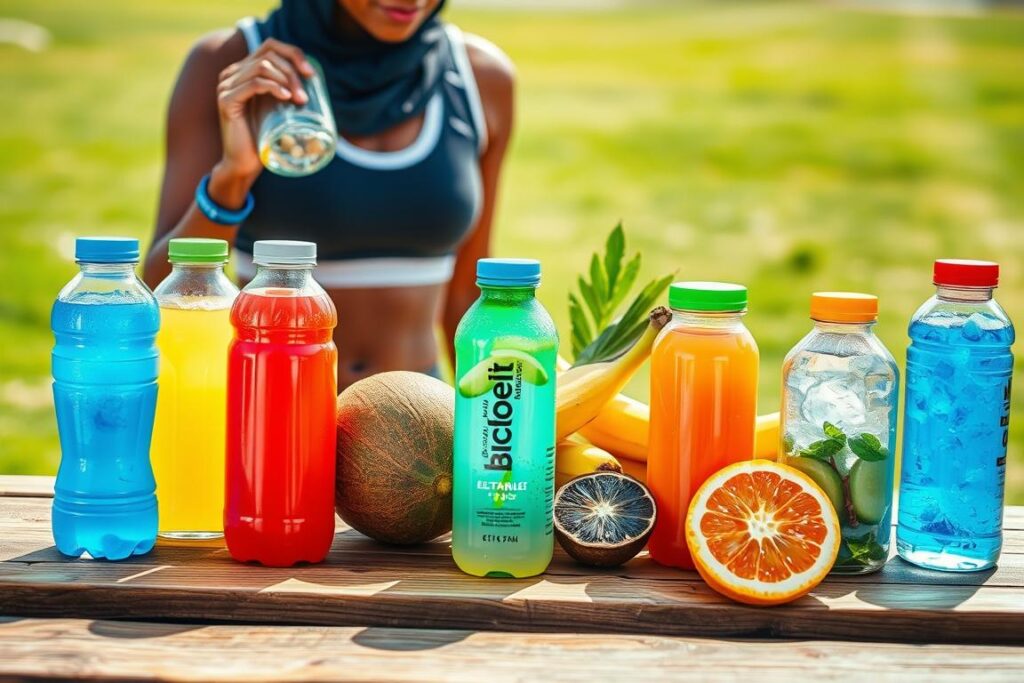
When water isn’t enough and how to avoid over-dilution
Water alone may fall short in long, hot, or very sweaty sessions. Drinking too much plain water can dilute blood salts and raise cramp risk.
Rule of thumb: add sodium when sessions exceed 60–90 minutes or when you see salt stains on gear.
Practical sources and timing
- Sports drinks with sodium for during long efforts.
- Salted snacks, broth, or a pinch of salt in your bottle before and after work.
- Eat potassium-rich foods—bananas, potatoes, yogurt—across the day to support levels.
- Start with sodium on board, sip regularly, and replace electrolytes after heavy sweat.
Special cases: heavy sweaters and hot, long efforts
Heavy sweaters often need higher sodium strategies. If cramps recur, test a small increase in intake during similar workouts and note whether performance and cramp timing improve.
| Situation | Quick action | Why it helps |
|---|---|---|
| Short hot session | Sip a light sports drink | Replaces sodium and fluid |
| Long endurance work | Use measured electrolyte drink + salty snack | Maintains balance and steady contractions |
| Frequent cramps | Test slightly higher sodium timing | Shifts cramp onset later and reduces fatigue |
Heat, humidity, and environment: adjust your fluids to conditions
Sweat that won’t evaporate means your core warms faster; handle it with acclimation, cooling, and timed drinks.
Why this matters: heat and humidity raise the stress on your body because sweat can’t evaporate as well. You store more heat for the same activity, which cuts performance and raises dehydration risk.
Training in the heat: acclimation, cooling, and smarter rest breaks
Acclimate over 1–2 weeks with gradually longer exposures. Keep tempo easy at first, then add harder reps as you adapt.
Use cooling tools: shade, cold water, ice towels, or an ice slurry before and during hard efforts to lower thermal strain.
- Schedule short, smart rest breaks to sip, cool, and reset core temperature.
- Increase drink frequency and volume as temperatures rise, and add sodium to help retain fluid and support circulation.
- Start sessions already hydrated and shorten intervals or extend recoveries on the hottest days.
| Challenge | Quick adjustment | Why it helps |
|---|---|---|
| High humidity | Add cooling breaks + shade | Improves sweat evaporation and lowers core heat |
| Early season heat | 1–2 week acclimation plan | Builds tolerance and keeps performance steady |
| Long, hot activity | More frequent drinks with sodium | Preserves circulation and reduces force loss |
Remember: sweat rate shifts by season. What worked in spring may not in August. If you want deeper fatigue fixes, see why you might feel drained.
Train and recover smarter to limit muscle damage
Certain sessions—downhill repeats, long descents, or heavy negatives—drive extra strain through fibers. That raises sarcomere disruption, calcium entry, and enzyme activity that fuels soreness and delayed recovery.
Eccentric-heavy days: hydration strategies that blunt EIMD and DOMS
Front-load fluids and sodium so you start well hydrated and keep blood flow steady. This helps protect membranes and limits ion swings that worsen tissue damage.
During sets, sip regularly. Small, steady intake reduces late-set strength loss and can lower next-day pain by keeping cell volume stable.
Managing workload, rest, and signs you need to rehydrate now
After the session, replace about 125–150% of lost body mass within a few hours and include carbs plus protein to support repair. Add sodium to help retain that fluid.
- Pre‑ and post‑weigh to track sweat and guide refill.
- Log perceived soreness and strength after similar workouts to tweak future plans.
- Move hard sessions to cooler parts of the day and make easy days truly easy to avoid cumulative fatigue.
Red flags for medical evaluation: severe cramps, persistent spasms, or dark urine
Watch for urgent signs that need care: cramps that won’t release, frequent spasms, confusion, or cola‑colored urine. These can reflect more than routine under‑hydration and need prompt evaluation.
| Scenario | Immediate action | Why it helps |
|---|---|---|
| Eccentric session planned | Front-load fluids + pinch of salt; sip during work | Supports membranes, reduces ion shifts and soreness |
| Noticing sharp power drop | Pause, sip salty fluid, cool down | Restores blood volume and steadies contractions |
| Dark yellow urine after activity | Replace lost mass 125–150% with sodium + carbs/protein | Rehydrates cells and aids tissue repair |
| Severe or persistent cramps | Seek medical review | Rules out electrolyte disorders or other conditions |
Final note: hydration helps, but it’s not magic. Combine these strategies with smart workload progressions, sound technique, sleep, and nutrition to protect strength and shorten recovery. For practical recovery meal ideas that work with this plan, try dairy-free recovery meals.
Conclusion
What you drink and when you drink it directly shapes training quality and fatigue. Small losses near 2% body mass cut performance and slow recovery, especially in heat where plasma volume and cell balance shift fast.
Keep it simple: arrive well hydrated, sip to limit weight loss, and add sodium for long or very sweaty sessions. Use thirst, morning weight, and urine color as easy checks.
Balance fluids with electrolytes and eat potassium‑rich foods across the day. If power fades early or cramps recur, adjust water intake and sodium timing for that session. For severe spasms, dark urine, or persistent symptoms, stop and seek care.
Practical, science-backed steps like these protect blood flow, steady contractions, and performance across your training day.
FAQ
How does losing more than 2% of your body weight during exercise affect performance?
Who in the U.S. is at highest risk for performance drops from low hydration?
What happens inside muscle cells when you’re underhydrated?
How does reduced blood volume affect strength and endurance?
Can heat and higher muscle temperature worsen the problem?
Why do cramps and spasms often show up with poor hydration?
How does low fluid intake slow recovery and increase soreness?
How should you hydrate before a workout without overdoing it?
What’s the best approach to fluids during training?
How do you rehydrate effectively after exercise?
When are electrolytes necessary instead of plain water?
What simple checks can you use in the field to judge hydration?
How should heavy sweaters and people training in heat adjust fluids?
Can hydration strategies reduce eccentric muscle damage and DOMS?
What are red flags that need medical attention?
Any quick tips to build a personal hydration plan?