
Best Supplements That Support Injury Healing and Recovery

 0
0
 0
0 Here’s a jarring stat: combat sports athletes sustain, on average, one injury every 2.1 hours of competition. About 30% of those issues force more than a week away from training.
That’s an extreme example, but it highlights a universal truth. When your body is repairing damaged tissue, its demand for specific nutrients skyrockets.
It needs raw materials to rebuild cells, fight inflammation, and get you back to 100%. What you consume during this window doesn’t just affect comfort—it directly impacts your timeline.
Smart nutritional support, including targeted supplementation, can genuinely accelerate your comeback. This guide cuts through the marketing hype.
We’ll focus on evidence-based nutrients that actually work during different phases of repair. You’ll get practical dosing strategies and learn how to integrate them with whole foods for maximum effect.
Key Takeaways
- Your body’s nutrient requirements increase significantly during the repair process to rebuild tissue and fight inflammation.
- Strategic use of specific nutrients can reduce healing time and lower the risk of complications.
- This guide provides evidence-based recommendations, separating proven aids from marketing claims.
- You’ll learn how key compounds like protein, collagen, and vitamin C function in cellular repair and reducing muscle loss.
- Practical advice on dosing, timing, and combining supplements with a solid diet is included.
- The information is tailored to different types of damage, from muscle strains to post-surgical repair.
- The goal is a clear, actionable roadmap to help you return to full strength efficiently and safely.
Understanding the Natural Healing Process
Recovery isn’t a single event—it’s a carefully choreographed biological sequence that rebuilds you from within. Your body executes a precise, four-phase operation to mend damage. Knowing this roadmap lets you support each step effectively.
Stages of Wound Repair
The repair process follows overlapping stages. Each has a distinct job and specific nutrient demands.
| Stage | Timeframe | Key Action | Critical Nutrients |
|---|---|---|---|
| Hemostasis | First few hours | Clot formation to stop bleeding | Vitamin K, Vitamin C |
| Inflammation | Days 1-5 | Immune cleanup & protection | Vitamin A, Vitamin C, Zinc |
| Proliferation | Days 5-20 | New tissue & collagen building | Vitamin C, Vitamin A |
| Remodeling | Day 21+ | Tissue strengthening & reorganization | Vitamin E, Vitamin C |
Cellular Activity and Protein Synthesis
At the micro level, specialized cells drive recovery. Fibroblasts produce collagen for structure. Immune cells clear debris.
New skin cells migrate to close gaps. All this cellular work requires a huge boost in protein synthesis. Without enough raw materials, this activity slows down, extending your recovery time.
Think of each phase as a construction project with different crews. Your nutritional intake supplies their tools.
Nutrition’s Impact on Recovery and Tissue Repair
Your body’s repair work demands a massive influx of specific resources, and your diet is the supply chain. Good nutrition provides the raw materials your system uses to literally rebuild.
Think of it as a construction project. Protein is your lumber and bricks. Calories are your energy to power the crew. Vitamins and minerals are the specialized workers.
Your metabolic demands skyrocket during this process. The table below shows how needs explode compared to baseline.
| Nutrient | Baseline Need | During Significant Healing | % Increase |
|---|---|---|---|
| Calories | Maintenance Level | Up to 50% more | +50% |
| Protein | Standard Intake | Up to 250% more | +250% |
Without enough materials, your body prioritizes survival. It may cannibalize muscle to fuel repair. This slows your timeline and hurts long-term health.
Strategic nutrition shortens recovery, prevents muscle loss, and powers your immune system. Supporting this system is key, which is why strategically incorporating anti-inflammatory foods is so valuable.
This isn’t about eating “clean.” It’s about delivering specific nutrients in the right amounts when your body needs them most for optimal recovery and tissue health.
High-Quality Proteins and Amino Acids for Healing
When you’re sidelined, your muscles face a ticking clock—protein intake becomes your primary defense against wasting. It’s the literal building block for new white blood cells and skin tissue. Your daily need jumps to 1.6-2.3 grams per kilogram of body weight.
That’s significantly higher than standard athlete recommendations. Hit this target to slash muscle loss during forced rest.
Role of Leucine and Essential Amino Acids
Leucine is the ignition switch for muscle protein synthesis. During immobilization, your muscles resist normal growth signals. This branched-chain amino acid overcomes that resistance.
Each 20-25 gram protein serving should include 2-3 grams of leucine. Animal sources like eggs, Greek yogurt, and lean meats deliver this easily. Plant-based eaters must combine legumes with grains.
Spread your intake across four meals. This balanced approach boosts 24-hour muscle protein synthesis by 25% compared to skewed eating.
- Target 1.6-2.3 g/kg of protein daily during recovery phases.
- Consume 20-25 grams per meal, four times a day.
- Choose leucine-rich sources to maintain muscle mass.
- Pair increased protein with rehab exercise for a synergistic effect.
This strategy protects your hard-earned mass and fuels real repair.
Best Supplements for Injury Healing
Navigating the supplement aisle for recovery feels like a minefield of empty promises. The truth is simpler. Only a handful of nutrients have legitimate research backing their ability to accelerate repair.
How the Right Supplements Enhance Recovery
Effective aids work by filling specific gaps. They deliver therapeutic doses of key materials that are hard to get from food alone during high demand.
This strategic support helps overcome metabolic resistance that develops with inactivity. The right choice depends entirely on your type of damage and the current phase of your comeback.
| Supplement | Primary Mechanism | Key Role in Repair | Common Food Source | Therapeutic Dose Range |
|---|---|---|---|---|
| Creatine Monohydrate | Supports cellular energy & protein synthesis | Prevents muscle loss during immobilization | Red meat, fish | 3-5 g daily |
| Omega-3 Fatty Acids | Modulates inflammation | Creates a better environment for tissue repair | Fatty fish, walnuts | 1-3 g daily |
| Collagen Peptides | Provides raw material for connective tissue | Directly supports tendon, ligament, and skin rebuilding | Bone broth, (supplement form) | 10-15 g daily |
Think of these as specialized tools, not magic pills. They work in concert with a solid diet, proper rehab, and rest to build a real roadmap back to strength.
Key Vitamins Supporting Wound Repair
You can’t build a house without the right tools, and your body can’t mend tissue without key vitamins. These micronutrients act as foremen for the entire wound repair process.
Benefits of Vitamin C, A, and E
Vitamin C is non-negotiable. It’s the essential cofactor for collagen production—your skin’s framework. Without enough, your body can’t weave stable new tissue. This vitamin also bolsters your immune response.
Aim for 500-1000mg daily from citrus, strawberries, or bell peppers. That’s well above the standard RDA.
Vitamin A drives cell multiplication and matures new skin cells. It supports immune cell function and promotes angiogenesis, forming new blood vessels to supply the wound site.
Get it from eggs, dairy, or dark leafy greens.
Vitamin E shines during later stages. It functions as an antioxidant, protecting healing cells and potentially reducing scar formation.
Deficiencies create bottlenecks in wound closure. Prioritize at least two daily servings of foods rich in these vitamins and zinc to support your timeline.
Minerals and Nutrients in Tissue Regeneration
While vitamins get most of the attention, a crew of essential minerals works behind the scenes to power tissue regeneration. These nutrients are the unsung cofactors for countless cellular reactions.
| Mineral | Key Role in Repair | Top Food Sources |
|---|---|---|
| Iron | Delivers oxygen via blood to healing tissue. Prevents hypoxia. | Red meat, lentils, spinach |
| Copper | Cross-links collagen fibers for strong, stable tissue. | Nuts, seeds, shellfish |
| Magnesium | Powers 300+ enzymes for protein synthesis and immune function. | Pumpkin seeds, almonds, dark leafy greens |
| Selenium | Protects healing cells from oxidative damage during inflammation. | Brazil nuts (2-3 daily), fish, eggs |
These minerals work in partnership with vitamins and minerals. Magnesium activates vitamin D. Vitamin K teams with vitamin D to manage calcium.
Your best strategy is a diet rich in these whole foods. They provide nutrients in balanced ratios that support efficient healing.
The Science Behind Collagen Production and Repair
Think of collagen as the body’s internal scaffolding—it’s the structural framework that literally holds repaired tissue together. Your body’s production of this protein is a complex, multi-step process.
Vitamin C’s Role in Collagen Synthesis
Vitamin C isn’t just helpful; it’s mandatory. It acts as an essential cofactor for the enzymes that build collagen. These enzymes perform hydroxylation reactions, modifying amino acids to give collagen its unique, strong triple-helix structure.
Without enough vitamin C, this production line shuts down. This is why vitamin C deficiency (scurvy) causes old wounds to reopen—the body can’t make or maintain stable collagen.
Zinc and Its Immune-Boosting Effects
Zinc plays a dual role. First, it helps activate the immune system cells that clean the wound site. Second, it serves as a cofactor for enzymes involved in protein and DNA synthesis during new tissue growth.
Your need for zinc increases during repair. It’s better to meet this need through food—like meat, poultry, dairy, legumes, and nuts—rather than high-dose supplements, which can cause nausea.
Optimal repair comes from synergy. You need:
- Adequate vitamin C to run the collagen factory.
- Sufficient zinc to support immune function and cellular work.
- Quality protein to supply the raw amino acids.
- Collagen peptides can provide a targeted amino acid blend.
Together, these components create the ideal environment for robust collagen synthesis and tissue rebuilding.
Optimizing Nutritional Strategies After Surgery
Post-operative nutrition isn’t about general health—it’s a targeted mission to rebuild tissue, fight infection, and preserve muscle. Your recovery has two phases: immediate post-surgery and rehabilitation. Both demand specific fuel.

Post-Surgical Nutrition Considerations
The first 2-4 weeks are critical. Your primary job is wound healing and infection prevention. Protein needs jump to 1.5-2.0 grams per kilogram of body weight daily.
Vitamin C (500-1000mg) and zinc from food (15-30mg) are non-negotiable. They build collagen and power your immune system.
| Priority | Nutrient/Food | Target Intake | Purpose |
|---|---|---|---|
| Accelerate Healing | Protein (shakes, Greek yogurt) | 1.5-2.0 g/kg/day | Rebuilds tissue, prevents muscle loss |
| Prevent Infection | Vitamin C & Zinc | 500-1000mg & 15-30mg | Supports collagen, boosts immunity |
| Manage Side Effects | High-fiber foods, water | 25-35g fiber, 3L water | Combats constipation from pain meds |
| Preserve Muscle | Creatine Monohydrate | 5g daily | Reduces atrophy during immobilization |
Pain medication causes constipation. Fight back with prunes, veggies, and plenty of water.
Your appetite may vanish. Use easy-to-consume protein sources. Calculate calories carefully—you need enough for repair, but not your training surplus.
This targeted treatment through diet shortens your recovery timeline. It gets you back stronger, faster.
Combat Sports and Recovery Nutrition
The mat doesn’t lie—combat sports place unique demands on your body that require equally unique nutritional countermeasures.
You’re dealing with repeated impacts and specific injury patterns. The data is stark: athletes in these disciplines sustain one injury every 2.1 hours of competition. About 30% of those issues force more than a week away from training.
Managing Injury Risks in High-Intensity Sports
Common damage includes joint sprains, contusions, and lacerations. Your head, neck, and limbs take the most punishment.
Rapid weight loss is a major risk factor. Studies show injury rates nearly double during aggressive cuts. Dehydration and nutrient depletion compromise tissue integrity and cognitive function.
Your nutritional strategy must be proactive. Prioritize year-round weight management over drastic cuts. Maintain consistent, high protein intake to protect muscle mass.
During competition seasons, recovery nutrition is paramount. Fuel immediately after sessions to absorb stress. Strategic support with creatine and omega-3s can help.
The highest-risk time is during weight cutting and just after weigh-ins. Be extra cautious in this window. Smart fueling shortens your recovery timeline and gets you back to full training faster.
Managing Inflammation Through Dietary Choices
Inflammation isn’t just something that happens to you—your food choices actively manage its volume. Acute inflammation is essential. It brings immune cells to the damage site. But chronic or excessive inflammation slows your recovery and increases pain.
Your dietary choices directly steer this process. They influence signaling molecules like prostaglandins and cytokines. Certain foods amplify the inflammatory response. Others work to resolve it.
Focus on these whole, anti-inflammatory foods:
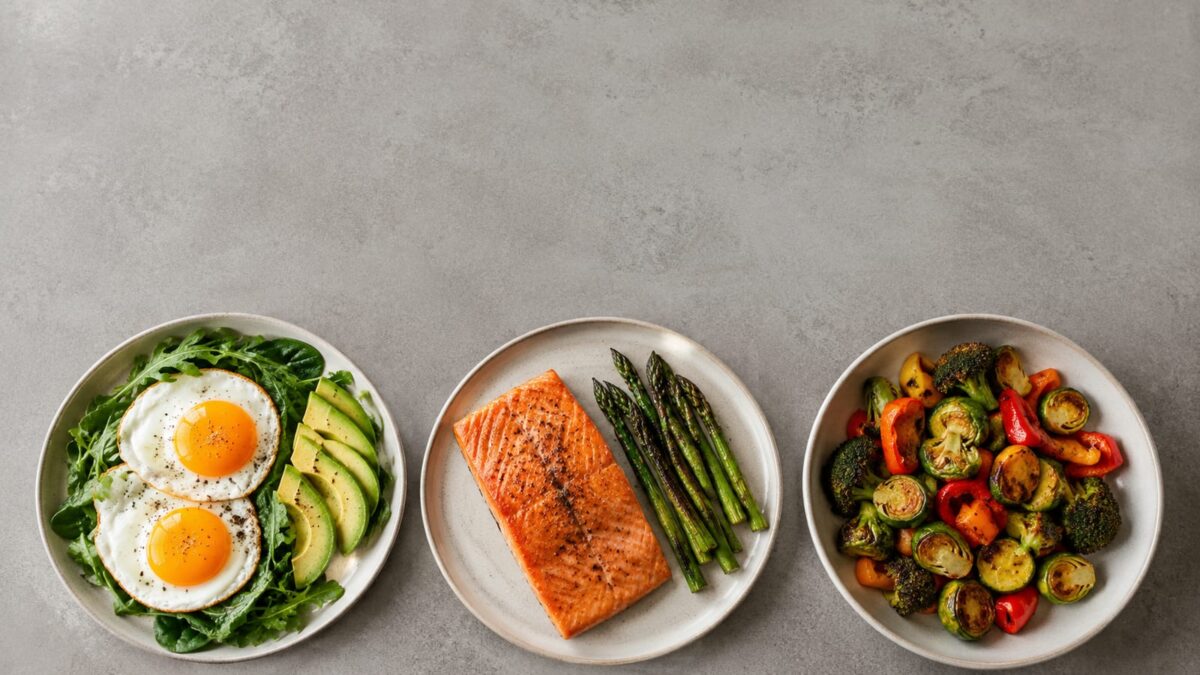
- Fatty fish: Salmon, sardines, and mackerel provide omega-3 fats.
- Colorful produce: Berries, leafy greens, and tomatoes are packed with antioxidants.
- Legumes, nuts, and seeds: Walnuts and flaxseeds offer plant-based omega-3s.
- Whole grains: They provide fiber and nutrients that support a healthy gut.
Omega-3 fatty acids compete with pro-inflammatory omega-6s. This shifts your body’s chemistry toward resolution. Limit processed meats, refined sugars, and excessive vegetable oils like soybean or corn oil.
A practical anti-inflammatory diet emphasizes whole foods. Aim for a better omega-6 to omega-3 ratio. Eat fatty fish two to three times weekly. If you don’t eat fish regularly, consider an omega-3 supplement for joint health and inflammation modulation.
Supplementation Considerations and Safety Tips
Smart supplementation requires more than just picking a bottle off the shelf—it demands a safety-first mindset. These are powerful tools. Using them incorrectly can backfire.
Your top priority is professional guidance. Never start a new regimen without your healthcare provider’s approval.
Consulting Healthcare Providers
Your doctor provides critical information. They can check your nutrient levels with a blood test. This finds real deficiencies.
Targeted support based on labs is safer and more effective. It prevents guesswork.
Some supplements have serious interaction effects with common medications. The table below outlines key risks.
| Supplement | Medication Type | Potential Interaction Effect | Key Consideration |
|---|---|---|---|
| Vitamin K | Blood Thinners (Warfarin) | Can reduce medication efficacy | Consistency is crucial; discuss intake |
| High-dose Vitamin E | Anticoagulants/Antiplatelets | Increases bleeding risk | Avoid high doses pre-surgery |
| Calcium | Certain Antibiotics (Tetracyclines) | Impairs drug absorption | Space intake by 2-4 hours |
| Iron | Thyroid Medications (Levothyroxine) | Reduces drug absorption | Take at different times of day |
Also, nutrients compete. High-dose calcium can block iron and zinc uptake. Too much zinc depletes copper.
Choosing Quality Products
The industry is poorly regulated. You must vet brands yourself. Look for third-party testing seals.
NSF Certified for Sport or USP Verified are good markers. They check for label accuracy and contaminants.
Start with standard dose levels. Megadosing is dangerous. Fat-soluble vitamins (A, D, E, K) can build up to toxic effects.
Always keep your healthcare team fully informed of every product you take. This protects your health and makes their care more effective.
Integrating Nutrition and Exercise for Accelerated Healing
Your comeback isn’t just about what you eat or how you move—it’s about the powerful synergy between them. Think of nutrition and rehab as a single, integrated system. One fuels the other for dramatically better results.
Combining Diet with Rehabilitation
Research makes this crystal clear. Elevating protein during bed rest helps, but it can’t fully stop muscle loss. Pair that same high protein intake with resistance exercise, and you slash atrophy by 50% or more.
The mechanism is key. Immobilization creates anabolic resistance—your muscle becomes deaf to growth signals. Exercise re-sensitizes the tissue. Protein provides the raw bricks, movement provides the build order.
Here’s your practical playbook:
- Time your intake. Consume 20-25g of protein within 2 hours of your rehab session.
- Maintain high daily totals—1.6 to 2.3 grams per kilogram of body weight.
- Distribute that protein across 4-5 meals to maximize 24-hour muscle protein synthesis.
- Work what you can. If the injured area is immobilized, train everything else. This maintains systemic anabolic signaling.
This integrated approach is crucial during the transition from immobilization to active training. It’s when smart fueling plus progressive loading rebuilds lost muscle mass most efficiently. For a deeper dive on supporting this anabolic environment, explore these strategies for muscle gain.
Progress your rehab as tolerated. Your nutrient needs will rise with your training volume. This synergy is your fastest path to full recovery.
Addressing Muscle Loss During Recovery
Let’s confront a harsh reality head-on: forced rest actively eats away at your hard-earned muscle.
The numbers are sobering. You can lose 0.5-1% of your muscle mass daily during complete bed rest. A two-week period could cost you 7-14%.
This rapid loss happens through multiple mechanisms. Reduced loading removes the primary growth stimulus. Inflammation ramps up protein breakdown. Your body also develops “anabolic resistance,” making it less responsive to food.
Your counterpunch must be immediate and multi-pronged. The table below outlines your core defensive strategies.
| Defensive Strategy | Key Action | Target/Dose | Primary Benefit |
|---|---|---|---|
| Protein Intake | Elevate daily consumption | 2.0-2.3 g/kg of body weight | Fuels repair, combats breakdown |
| Creatine Monohydrate | Daily supplementation | 5 grams | Preserves mass, boosts regain with rehab |
| Permissible Exercise | Train around the injury | Isometrics, contralateral work | Maintains systemic anabolic signaling |
| Calorie Management | Do not slash intake | Meet increased metabolic needs (+20-50%) | Prevents accelerated muscle loss |
The first two weeks are the highest-risk window. Implement these tactics immediately. Accept that some loss is inevitable—your goal is damage control now, then aggressive rebuilding later.
Strategies for Strengthening Bone and Soft Tissue
Your bones and connective tissues aren’t passive structures. They’re dynamic, living systems that require targeted fuel to rebuild.
Fractures, stress fractures, and joint replacements demand specific nutritional support. This goes beyond general wound healing. You need a precise blend of minerals and protein.
Calcium provides the mineral foundation for bone formation. Aim for 1200mg daily. Prioritize food sources like dairy, fortified plant milks, and leafy greens. They offer better absorption than pills alone.
Vitamin D is essential for your body to use that calcium. Target 1000-5000 IU daily. Your exact dose depends on sun exposure and baseline levels—testing is smart. Don’t forget protein. Bone tissue is about 50% protein by volume.
For soft tissue injury like ligament or tendon damage, think collagen. Collagen peptides (15-20g daily) paired with vitamin C provide the raw materials for repair. These injuries heal slower, so consistency is key.
Also, include vitamin K2 from fermented foods and leafy greens. It directs calcium into bone. Trace minerals like magnesium and zinc from a varied diet are crucial cofactors.
The remodeling process continues for months. Maintain your elevated intake of these nutrients throughout your entire rehab.
- Hit 1200mg of calcium daily from food first.
- Test and dose vitamin D appropriately (1000-5000 IU).
- Prioritize high protein intake for bone and soft tissue repair.
- Use collagen peptides and vitamin C for connective tissue.
- Eat for vitamin K2 and trace minerals.
- Stay consistent—this is a marathon, not a sprint.
Creating a Personalized Recovery Nutrition Plan
Let’s build a nutrition blueprint that adapts as your body heals. Generic advice falls short. Your plan must match your damage, phase, weight, and meds.
Start by documenting your baseline. Track your eating for a few days. Use an app like MyFitnessPal.
List all medications and current aids. This information is vital for your healthcare team.
Tracking Your Nutritional Intake
Note your energy levels and any digestive issues. Keep a simple healing journal.
Record how you feel each day. This reveals gaps in your current nutrition.
Adjusting Diets According to Healing Phases
Your dietary needs shift. Early phases need more vitamin C and zinc for wound closure.
Mid-recovery focuses on preventing muscle loss. Later, you support rebuilding as activity increases.
Structure your day around consistent meals. This table shows a sample framework.
| Meal Time | Example Foods | Protein (g) | Primary Goal |
|---|---|---|---|
| Breakfast | Eggs, Greek yogurt, berries | 25 | Jumpstart daily synthesis |
| Lunch | Chicken salad, quinoa, veggies | 30 | Fuel repair, provide micronutrients |
| Afternoon Snack | Protein shake, banana | 20 | Maintain amino acid levels |
| Dinner | Salmon, sweet potato, greens | 35 | Support overnight repair, reduce inflammation |
| Evening Snack | Cottage cheese, almonds | 15 | Prevent muscle breakdown |
Track intake for one to two weeks. Then reassess. You don’t need to log forever.
Schedule weekly check-ins. Photograph progress and note strength changes. Adjust portions as needed.
For best results, work with a sports dietitian. They provide personalized guidance. A smart anti-inflammatory diet is a powerful part of this plan.
Conclusion
This isn’t the end of your story—it’s a strategic interlude to rebuild smarter. Your recovery timeline is powerfully shaped by the nutrition and care you provide each day.
The strategies here are proven tools, not magic. Implement them alongside your medical treatment and rehab. Prioritize protein, consider creatine, and hit your vitamin targets.
Remember, healing is a process measured in weeks. Consistency trumps perfection. Small, daily actions create big advantages over time.
Don’t go it alone. Your healthcare system is your best resource. A sports dietitian can offer personalized guidance for your unique journey.
Commit to this process. Your future self will thank you for the smarter comeback and lasting health.
FAQ
Do collagen supplements really help with tissue repair?
Yes, when combined with proper nutrition. Collagen is the main structural protein in your skin, tendons, and ligaments. Supplements provide the building blocks (amino acids like glycine and proline) your body needs to rebuild this tissue. For the best results, take it with a source of vitamin C, which is essential for collagen synthesis. Think of it as supplying the raw materials for your body’s repair crew.
What foods should I eat to reduce inflammation after an injury?
Focus on whole, anti-inflammatory foods. Load up on fatty fish (like salmon for omega-3s), berries, leafy greens, nuts, and olive oil. At the same time, cut back on processed sugars, refined carbs, and fried foods, which can spike inflammation and slow your progress. This dietary shift helps manage pain and creates a better environment for your body to heal itself.
What’s the most important thing to consider with nutrition after surgery?
A> Your protein intake. Surgery is a major stressor that increases your body’s protein demands significantly. Not meeting these needs can lead to muscle loss, weaker immune system function, and slower wound closure. Prioritize high-quality sources like chicken, fish, eggs, and dairy at every meal, or use a protein shake if your appetite is low. It’s the fuel for recovery.
Which vitamins and minerals are non-negotiable for recovery?
A: Vitamin C and zinc are absolute must-haves. Vitamin C is a cofactor for making collagen and strengthens your immune response. Zinc plays a critical role in cell growth, protein synthesis, and fighting infection. You’ll find them in citrus fruits, bell peppers, red meat, shellfish, and seeds. A multivitamin can help fill gaps, but food first is always the goal.
Should I take supplements on my own for a serious injury?
Never self-prescribe for a serious issue. Always consult your doctor or a registered dietitian first. They can assess your specific needs, check for interactions with medications (like blood thinners and vitamin E), and recommend a safe, effective plan. Your healthcare provider ensures your strategy supports—not complicates—your medical treatment.