
How to Recover Well Between Strength Workouts
A productive rest day supports your next workout: keep movement gentle, eat normally with enough protein, and prioritize sleep. Know when full rest is better.
A productive rest day supports your next workout: keep movement gentle, eat normally with enough protein, and prioritize sleep. Know when full rest is better.

A firm upper-back setup, a shoulder-friendly grip and a controlled bar path can ease bench discomfort. Learn how to adjust load, range and training safely.

Most muscles need 48–72 hours after resistance training, but warm-ups, technique, performance, sleep, and nutrition reveal when you’re ready to train again.

Here’s a jarring stat: combat sports athletes sustain, on average, one injury every 2.1 hours of competition. About 30% of those issues force more than a week away from training. That’s an extreme example, but it highlights a universal truth. When your body is repairing damaged tissue, its demand for specific nutrients skyrockets. It needs […]

Think skipping your pre-training routine just saves time? Research suggests up to half of all training-related strains and sprains are directly linked to poor preparation. That’s a gamble with your progress you can’t afford. This isn’t about static stretching you forget. A proper movement-based routine readies your body and mind for the demands ahead. It […]

Did you know that over 200,000 people in the U.S. have their ACL reconstructed every year? If you’re reading this, you’re likely one of them. That first step—the surgery—is done. Now the real journey begins. This isn’t just about getting back to where you were. It’s about building a foundation that’s stronger and more resilient […]

Starting under your flare threshold with a short menu of strength, aerobic, and mobility work raises daily capacity without creating hard setbacks.
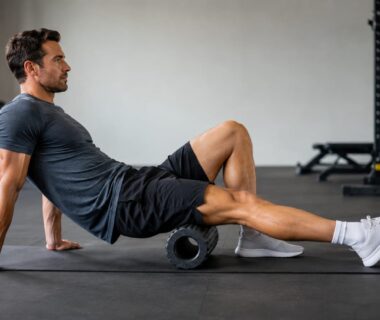
Short-term mobility and lower soreness are the real foam rolling benefits, with clear warm-up timing and lower-body technique tips included.

Use a brief, gradual cold finish to manage post-workout soreness, with breathing, timing, temperature guidance, and muscle-growth caveats for lifters.
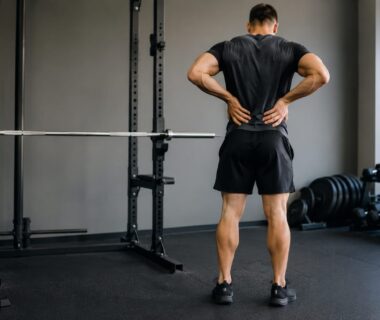
Pain that stays local often points to a strain, while shooting pain, numbness, or weakness needs assessment for possible nerve irritation after lifting.
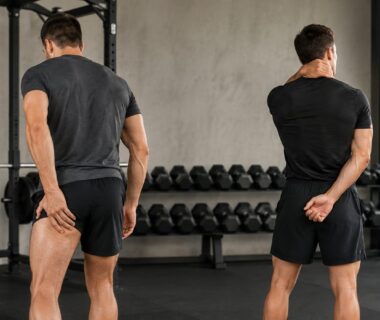
Traveling burning pain, tingling, or true weakness signals a pinched nerve. Local tenderness when pressed or stretched usually means a pulled muscle.

Stop sharp-pain moves first, keep the hip moving comfortably, then rebuild glute strength with bridges, hinges, and single-leg work before speed returns.

Gentle massage can ease DOMS discomfort and stiffness, but it will not restore strength faster. Use practical guidance on pressure, timing, and when to rest.
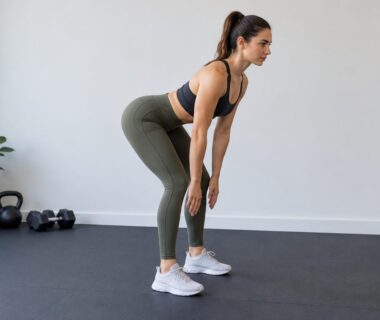
If swings trigger lower-back pain, stop the set, stay active with comfortable movement, and use these checks to rebuild your hinge before returning.