Treat a Pulled Glute Like a Training Injury

 0
0
 0
0 Treat a pulled glute muscle like a training injury, not a test of toughness. If you’re learning how to treat a pulled glute effectively, stop movements that reproduce sharp pain, keep the hip moving through a comfortable range, use simple symptom relief, and rebuild strength with controlled loading. Don’t stretch hard, sprint, or lift through sharp pain. If walking is difficult, bruising is substantial, or symptoms aren’t steadily improving, get assessed.
Last updated: 2026-08-10
A pulled glute muscle is usually a strain
A pulled glute muscle is usually a strain. That means the muscle or its attached fibers have been overloaded and damaged, often during a sudden or poorly controlled movement.
The gluteal group includes these muscles:
- Gluteus maximus: Extends the hip and helps you stand, climb, sprint, and jump.
- Gluteus medius: Helps move the leg out to the side and keeps the pelvis level during walking.
- Gluteus minimus: Assists hip movement and supports the hip joint.
The gluteus maximus does the most obvious heavy work. It contracts when you drive your hips forward during a deadlift, rise from a squat, or push off while running. The other gluteal muscles keep the pelvis and thigh under control.
You can read more about the gluteus maximus if you want the anatomy. You don’t need to memorize every attachment, though. You need to know which movements hurt and how to reload them.
Complete inactivity is usually the wrong answer. Reduced activity gives irritated tissue room to settle, while gentle movement prevents the hip from becoming stiff and guarded. The right amount of rest lets you recover and come back stronger. Too much rest leaves you less prepared for the next demand.
Signs of a pulled glute muscle
A pulled glute muscle usually causes pain in a specific area of the buttock. The pain may start suddenly during a sprint, lift, jump, or deep squat.
Common symptoms include:
- Localized pain in the buttock
- Tenderness when you press the area
- Weakness during hip extension
- Stiffness after sitting or resting
- Pain while walking uphill or climbing stairs
- Pain during squats, deadlifts, lunges, or running
- Reduced hip range of motion
- Pain when pushing the leg backward
A mild strain may feel sore but still allow normal walking. A more serious strain can cause immediate weakness, a noticeable limp, swelling, or bruising. A pop followed by major weakness deserves prompt medical assessment.
Pain that travels down the leg, causes numbness, or comes with back pain may point away from a simple glute strain. Use this guide to compare symptoms in a pulled muscle versus a slipped disc.
A tender spot alone doesn’t prove the glute is the problem. The hamstring, hip joint, lower back, and nearby tendons can create similar pain. Your symptoms should guide your first steps, but persistent or confusing symptoms need a clinician’s examination.
Common causes of a pulled gluteus maximus
The usual cause is a sudden increase in force or workload. The muscle gets asked to produce more force, move through more range, or work under more fatigue than it can currently control.
Common triggers include:
- Sprinting without preparing for high speed
- Sudden heavy lifting
- Deep squats or lunges under fatigue
- A rapid increase in running or lower-body training
- Skipping a warm-up before hard work
- Losing hip and knee control during a lift
- Rounding or overextending while hinging
- Returning to sport before strength has returned
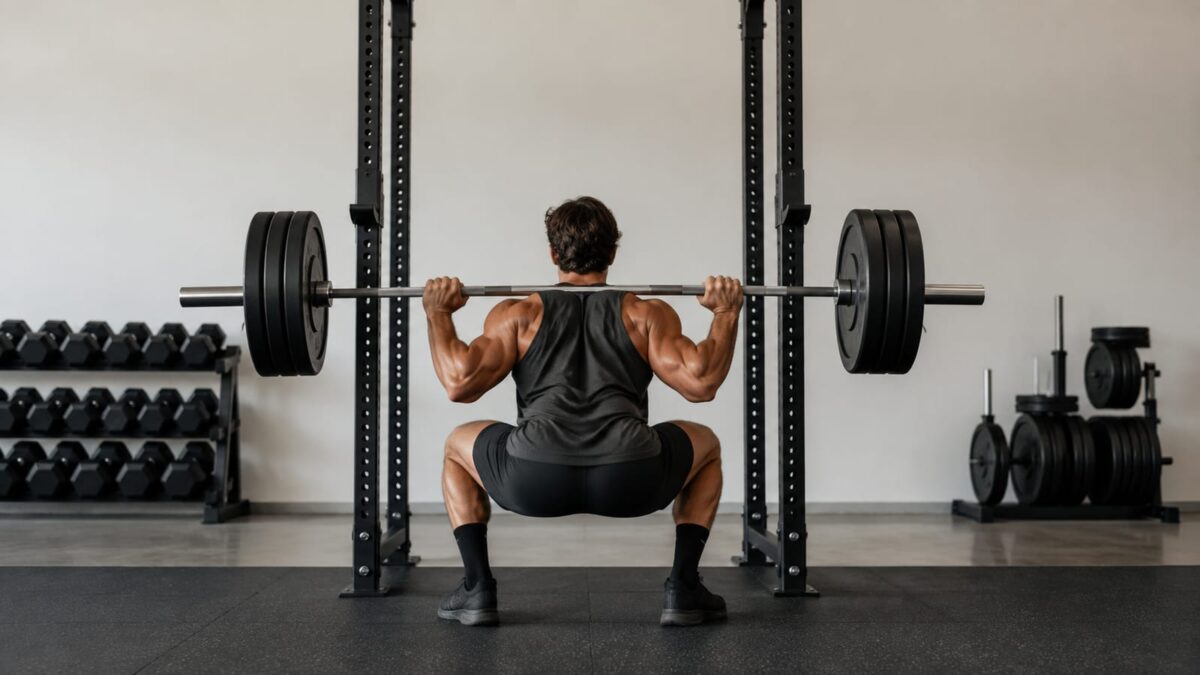
The deep-range issue deserves attention. A deep squat isn’t automatically dangerous, but adding unfamiliar depth, heavy load, and fatigue at the same time is a poor test of readiness.
Technique breakdown matters for the same reason. If your pelvis shifts, your knee collapses inward, or your hips shoot up during a deadlift, the load has moved somewhere. The glute may be forced to work in a position it cannot control.
Workload changes are another common trap. You may tolerate one hard sprint session, then strain the muscle after adding more running, lifting, and sport in the same week. The plan has to fit your current capacity, not your best week from last year.
First 48 hours after a strained gluteal muscle
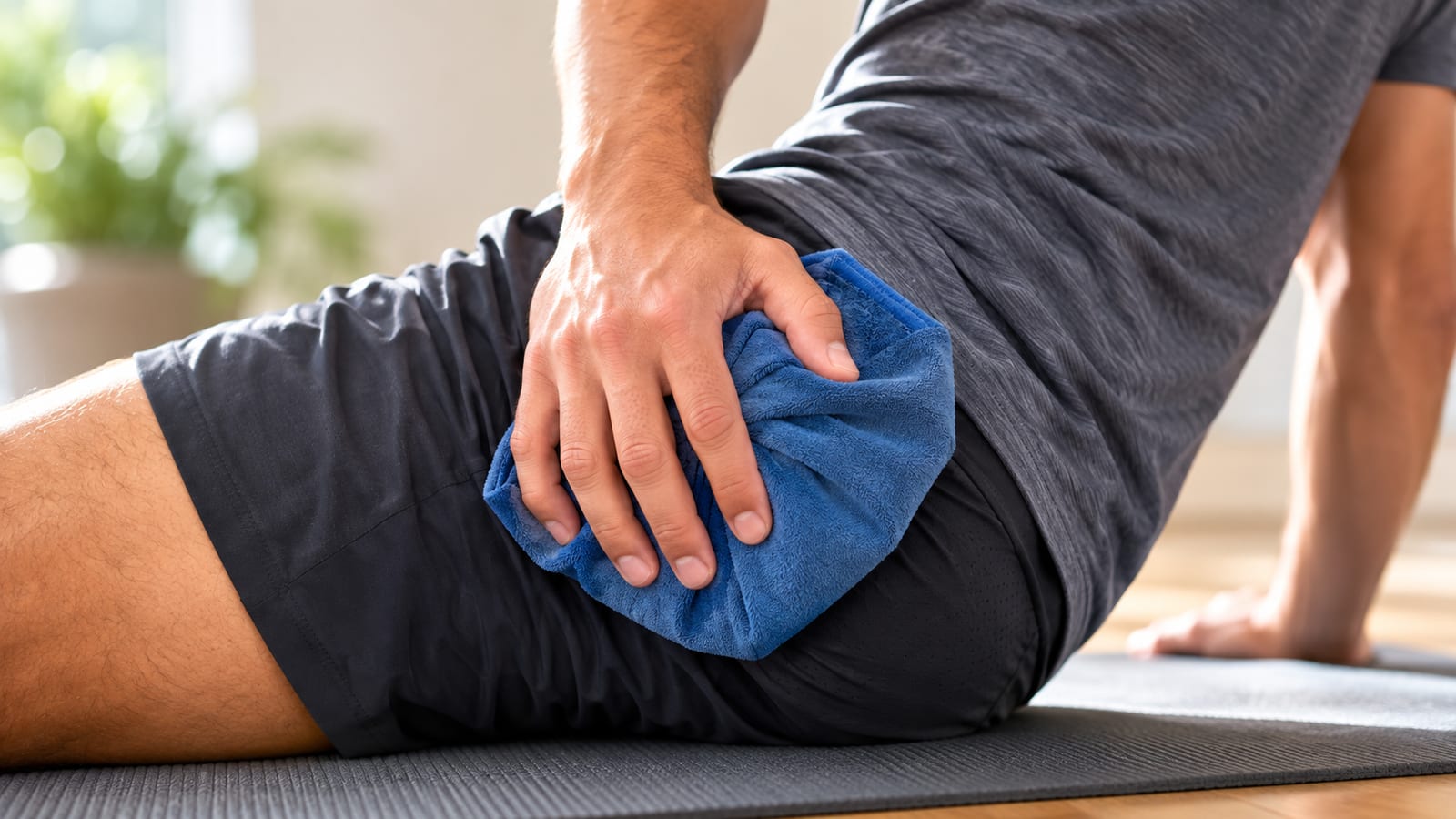
Use relative rest. That means removing painful training while keeping easy daily movement that doesn’t increase your symptoms.
Follow these steps:
- Stop the painful activity. End sprinting, heavy lower-body lifting, jumping, and deep ranges that reproduce sharp pain.
- Walk comfortably. Short, easy walking is useful if you can do it without a limp or rising pain.
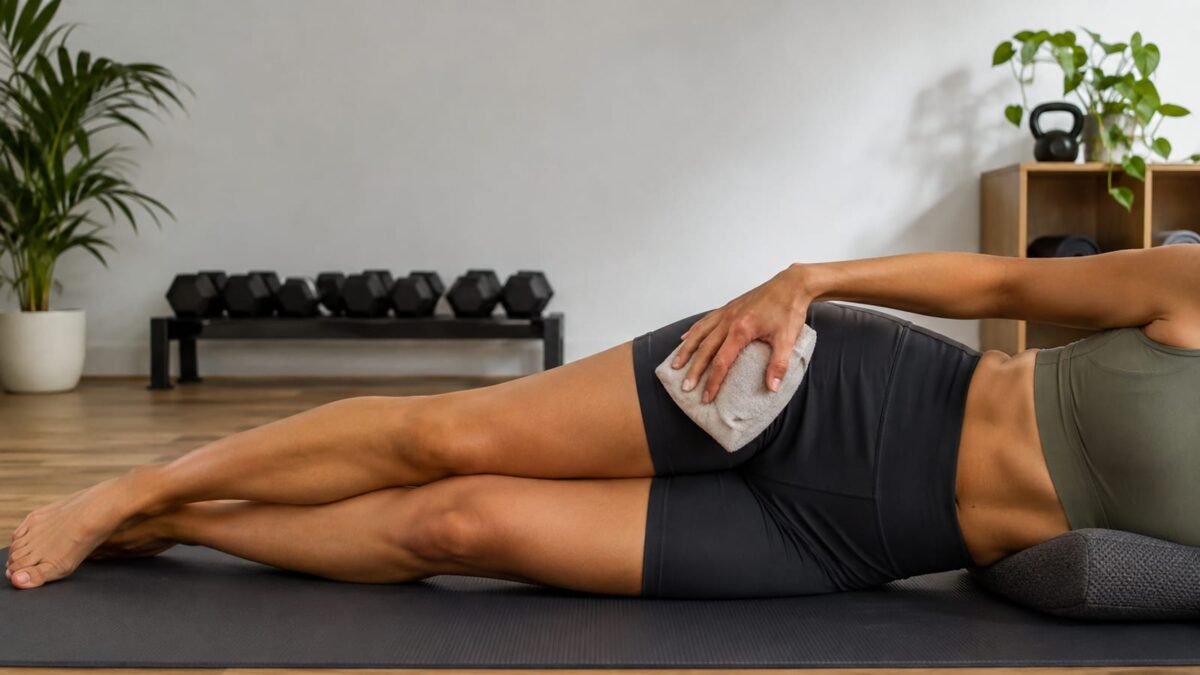
- Use cold if it helps. For an acute glute muscle strain, apply a wrapped cold pack for 10 to 15 minutes. Never place ice directly on your skin, and never exceed a maximum of 20 minutes.
- Use light compression if comfortable. Stop if it causes numbness, tingling, or more pain.
- Sleep as normally as possible. Support the painful side with a pillow if lying on it bothers you.
- Eat enough food and protein. Recovery is harder when you combine injury with aggressive dieting.
- Avoid aggressive stretching and deep massage. Neither should be used to prove the area is still flexible.
Cold can reduce discomfort, but it doesn’t repair the strain by itself. The same applies to heat, creams, and massage guns. Use symptom relief only if it helps you move normally afterward.
Over-the-counter pain medicine may help some people, but it isn’t right for everyone. Ask a pharmacist or clinician if you have medical conditions, take other medicines, or aren’t sure what’s safe.
A mild glute muscle pull may need a recommended rest period of 2 to 6 weeks from hard training. That doesn’t mean staying in bed for that period. It means limiting the tasks that keep provoking the injury.
Effective treatment for a pulled glute muscle
The right treatment is a gradual return from comfortable movement to controlled strength, then to speed and sport. Random stretches and exhausting rehabilitation circuits don’t provide a clear progression.
Use this sequence:
- Restore comfortable movement. Move the hip through a pain-free range. Use easy walking and gentle hip motion.
- Add low-threat muscle work. Start with glute contractions and bridge variations that don’t create sharp pain.
- Build hip control. Add hip hinges, supported split squats, and other slow patterns.
- Increase resistance. Add load only after the current exercise feels stable during the session and later that day.
- Rebuild single-leg strength. Progress to step-ups, split squats, and single-leg bridge work when your pelvis stays controlled.
- Reintroduce speed last. Add jogging, faster running, jumping, and sport changes only after strength work is reliable.
Keep the injured side working, but don’t force it to match your strongest day immediately. The goal is quality reps with repeatable technique. If the movement changes to avoid pain, the exercise is too difficult for that stage.
Exercises for a strained gluteal muscle
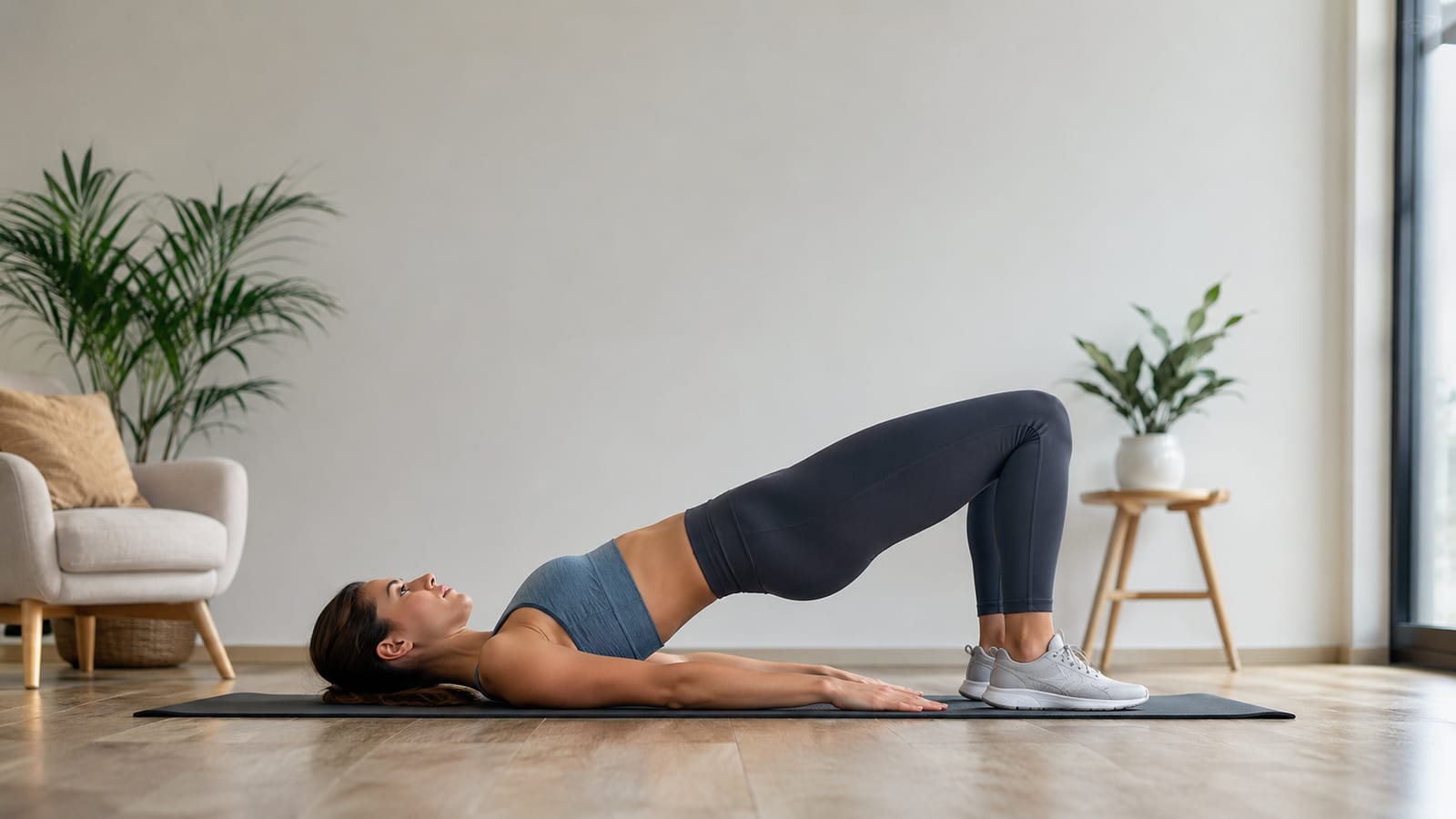
The best exercises are the ones you can perform with controlled technique and a stable next-day response. Start with the simplest version that loads the glute without reproducing sharp pain.
Early movement and activation
Use these when walking is comfortable but loaded exercise still hurts:
- Easy walking on level ground
- Gentle hip flexion and extension within a comfortable range
- Lying glute squeezes
- Short-range bridge holds
- Double-leg bridges through a pain-free range
Do not chase a stretch sensation in the injured area. A mild feeling of effort is acceptable. Sharp pain, increasing guarding, or a limp means you’ve exceeded the current limit.
Strength rebuilding
Move here when the early exercises feel controlled and daily movement is settling:
- Full-range glute bridges
- Hip hinges with no load or a light object
- Sit-to-stand movements
- Supported split squats
- Low step-ups
- Slow bodyweight squats within a comfortable depth
The bridge should progress by range, control, resistance, and then single-leg demand. Don’t add all four at once. Change one variable so your training log shows what the muscle tolerated.
Single-leg control and heavier loading
Use these before returning to sprinting or hard sport:
- Unassisted split squats
- Step-ups with a controlled lowering phase
- Single-leg bridges
- Light Romanian deadlifts
- Loaded squats through a comfortable range
- Loaded hip hinges
Your knee should track steadily, your pelvis should stay level, and your trunk should remain controlled. If you shift away from the injured side, reduce the load or shorten the range.
For more lower-body options, use this guide to hamstring exercises. Choose movements that support the current stage rather than collecting exercises for their own sake.
Progress markers during treatment
Progress when the current workload is repeatable. Don’t use a single good session as proof that the strain is ready for heavy training.
Check these markers:
- Walking is comfortable and doesn’t cause a limp.
- The exercise causes no sharp pain during the set.
- Symptoms settle rather than build after training.
- The next morning feels no worse than the previous morning.
- Hip motion is improving without forced stretching.
- You can load both legs without shifting away from the injured side.
- Single-leg work looks controlled on both sides.
- Strength is close enough between sides for the next task.
A little stiffness can be acceptable. A rising ache that lasts into the next day is useful feedback, not something to ignore. Reduce the range, load, speed, or total work at the next session.
Progression should look boring. Add a little resistance, a few more controlled reps, or a slightly harder variation. Then repeat it until your body shows that the increase belongs.
Return to training after a glute strain
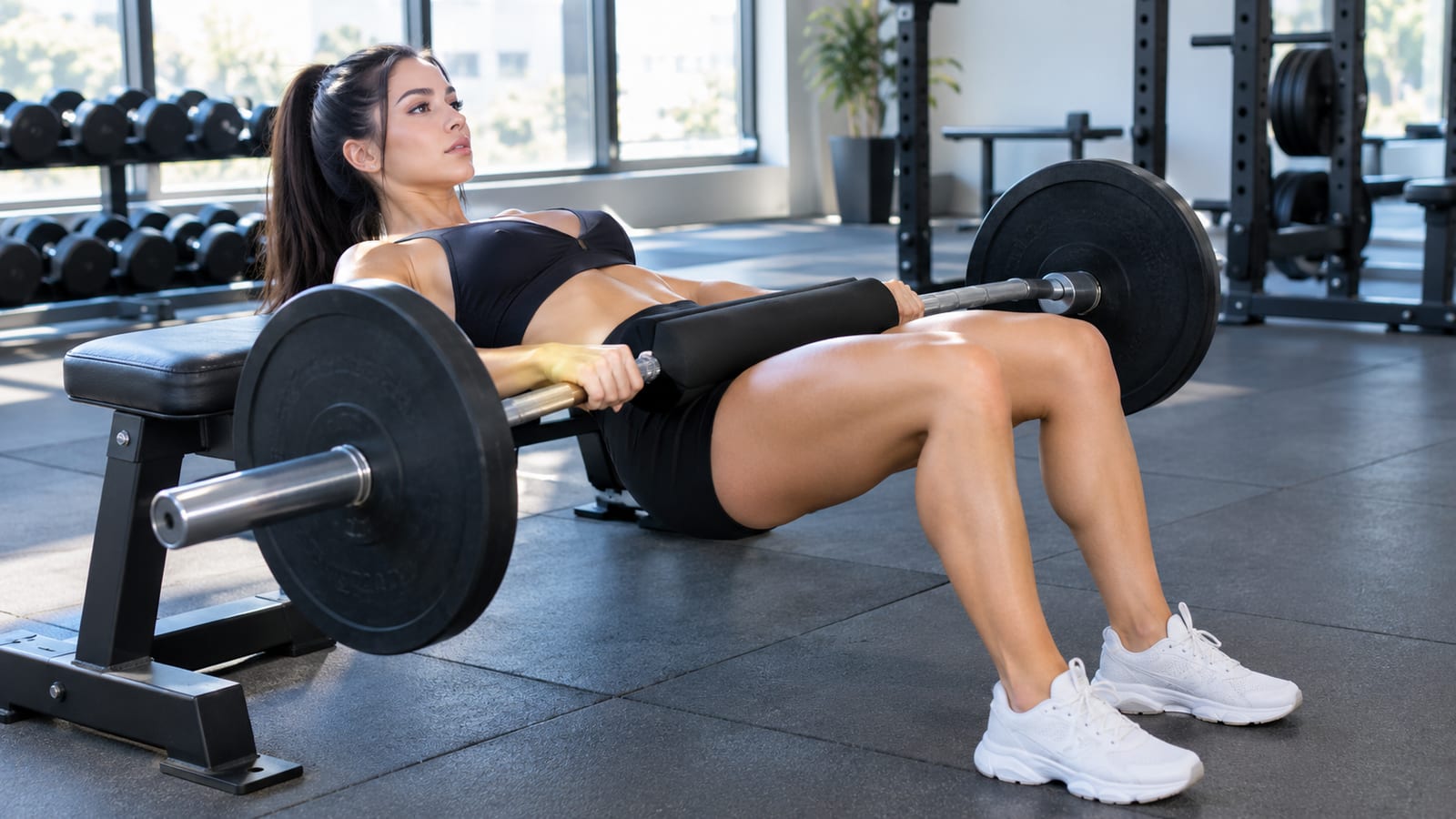
Return in order of control and demand. Heavy lifting and fast running both require force, but sprinting adds speed and rapid muscle lengthening. That makes it a later test.
Use this order:
- Bodyweight squat and hinge
- Light loaded squat and hinge
- Split squat and step-up work
- Heavier squats and deadlifts
- Easy jogging
- Strides and faster running
- Jumping, cutting, and sport-specific work
- Full training with normal intensity
Start squats with a depth you can control. Earn deeper range through steady practice rather than forcing it on the first day.
For deadlifts, begin with a load and setup that let you keep the same hinge pattern from the first rep to the last. If the bar moves away, your back position changes, or one hip takes over, stop adding weight.
Running should begin with easy straight-line work. Add speed before you add sharp changes of direction. Sport return comes last because competition combines fatigue, reaction, speed, and awkward positions.
A warm-up can help you prepare for that work, but it doesn’t cancel poor load management. Use a dynamic warm-up for injury prevention before training, then still build intensity in stages.
When to seek help for a pulled glute muscle
Get urgent medical help if you have any of these signs:
- You cannot bear weight or walk normally.
- You felt a pop followed by severe weakness.
- Bruising or swelling is major or spreading.
- You have numbness or tingling.
- Pain radiates down the leg.
- You have fever or feel unwell.
- The hip or leg looks deformed.
- Pain is severe at rest or keeps worsening.
Arrange a non-urgent assessment if symptoms aren’t steadily improving, normal walking remains difficult, or you cannot regain basic strength. A sports clinician or physical therapist can test the glute, hamstring, hip, and lower back instead of guessing from the sore spot.
You should also get assessed if the injury keeps returning. Repeated strains usually mean the workload, technique, strength, recovery, or return-to-sport timing needs a closer look.
The NHS guidance on sprains and strains gives general advice on early care and reasons to seek help. It doesn’t replace an examination when your symptoms are severe or unusual.
Recovery time for a strained gluteal muscle
A mild gluteus maximus strain commonly improves within a few weeks with conservative treatment. A mild glute muscle pull may still require 2 to 6 weeks of reduced activity and rest from painful training.
More serious strains take longer. The calendar matters less than function, strength, and tolerance. Returning because a certain date arrived is how a manageable strain becomes a repeat injury.
Use these return checks:
- You can walk without a limp.
- You can squat and hinge with controlled technique.
- You can load the leg without sharp pain.
- The next day is not worse after training.
- Single-leg work is stable.
- Easy running causes no symptom increase.
- Faster work can be repeated without losing mechanics.
Gluteal stretches may help relieve muscle tension and reduce lower back pain, but they are not a substitute for strength progression. Stretch only within a comfortable range, and stop if it increases the injury’s pain.
Preventing another pulled glute muscle
Prevention is not a special drill. It is a repeatable training system that prepares the glute for the work you actually do.
Use these habits:
- Increase running, lifting, and sport demands gradually.
- Warm up with easy movement, then rehearse the patterns you’ll train.
- Keep squat and hinge technique consistent as fatigue rises.
- Train both legs with squats, hinges, split squats, and step-ups.
- Include single-leg work so the pelvis and hip can control each stride.
- Leave enough recovery between hard lower-body sessions.
- Eat enough calories and protein to support training and repair.
- Treat recurring pain as information, not a challenge.
Your warm-up should prepare you for the session. It should not become a separate workout that leaves the glutes tired before the main work.
The practical test is simple: can you repeat the training week without rising pain, worsening technique, or a longer recovery each time? If not, reduce the demand before you add more exercises.
FAQ
Can you walk with a pulled glute muscle?
You can often walk with a mild strain, but your gait should remain normal. If you limp, shorten your stride, or feel rising pain, cut the walk short and seek an assessment if the problem doesn’t settle.
Should you stretch a pulled glute muscle?
Use gentle movement instead of hard stretching during the painful stage. Keep the motion easy enough that you don’t brace, hold your breath, or feel sharper pain afterward.
Is heat or ice better for a glute strain?
Use the option that makes short-term movement easier, while protecting your skin and keeping cold applications brief. Don’t mistake temporary relief for proof that the tissue is ready for squats or running.
Can a glute strain cause lower back pain?
Yes, guarded hip movement and an uneven stride can make the lower back work harder. However, pain that travels down the leg, numbness, or tingling needs medical assessment rather than more glute exercises.
Should you massage a pulled glute muscle?
Skip deep massage during the painful stage, especially if bruising or swelling is present. Later, light soft-tissue work can be comfortable, but the useful test is whether you can move and load the hip better afterward.