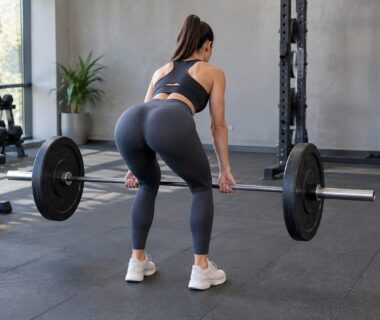
The Wall Hip Hinge Drill for Safer Beginner Lifts
The wall hip hinge drill teaches beginners safer lifts by moving hips back with minimal knee bend and quiet spine before dowel hinge and kettlebell deadlift.
The wall hip hinge drill teaches beginners safer lifts by moving hips back with minimal knee bend and quiet spine before dowel hinge and kettlebell deadlift.

Think skipping your pre-training routine just saves time? Research suggests up to half of all training-related strains and sprains are directly linked to poor preparation. That’s a gamble with your progress you can’t afford. This isn’t about static stretching you forget. A proper movement-based routine readies your body and mind for the demands ahead. It […]
Pain is not proof of progress. This guide explains how to distinguish useful training effort from injury warning signs and adjust workouts safely.

A short body scan helps lifters spot tension, fatigue, asymmetry, and pain before technique slips, with practical steps for adjusting training safely.
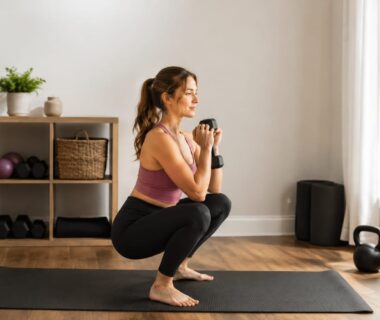
Postpartum strength returns best through breathing, walking, pelvic-floor control, and simple full-body moves that stay easy until recovery allows more.
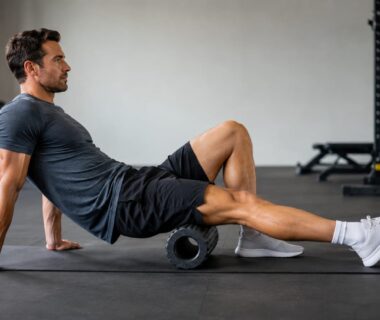
Short-term mobility and lower soreness are the real foam rolling benefits, with clear warm-up timing and lower-body technique tips included.
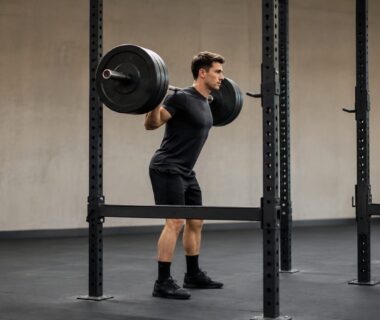
A clean, repeatable single beats a grinder because you can train from it, using small planned jumps, long rests, and at most three serious attempts.
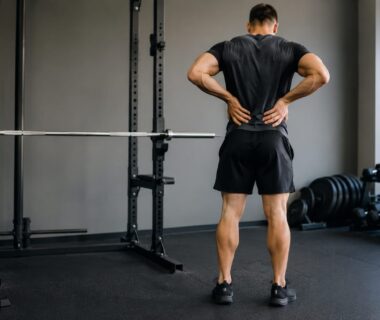
Pain that stays local often points to a strain, while shooting pain, numbness, or weakness needs assessment for possible nerve irritation after lifting.
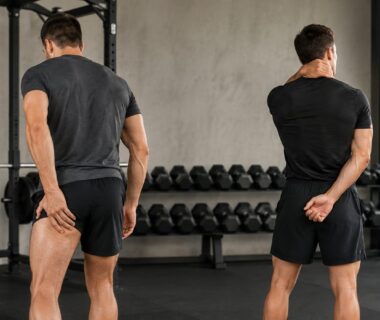
Traveling burning pain, tingling, or true weakness signals a pinched nerve. Local tenderness when pressed or stretched usually means a pulled muscle.

Stop sharp-pain moves first, keep the hip moving comfortably, then rebuild glute strength with bridges, hinges, and single-leg work before speed returns.
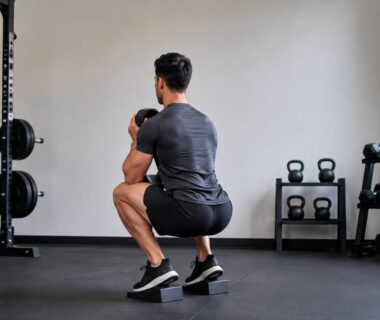
Hard, controlled knee flexion matters more than toe angles for the outer quad. Use squats, split squats, step-ups, and extensions with steady progression.
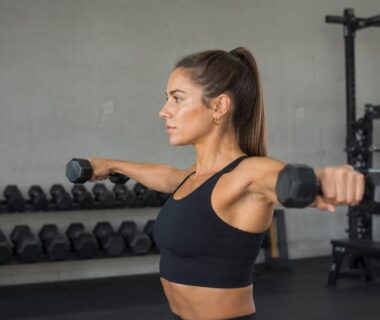
Pain-free presses, rows, carries, and wall slides train the subclavius through shoulder control, with guidance on technique, progression, and warning signs.

The sound of joints creaking and body heat rising seems quiet. Yet, when these hint at the start of warm up sets, they signal great muscle growth. A study involving 42 well-trained men showed how warm up routines can lead to major improvements. They tested their strength with different training methods. This study proved warm […]