Train Hard Without Turning Pain Into Progress
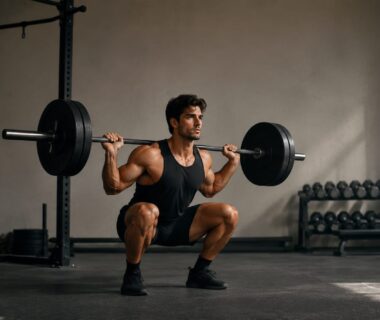
Pain is not proof of progress. This guide explains how to distinguish useful training effort from injury warning signs and adjust workouts safely.
Pain is not proof of progress. This guide explains how to distinguish useful training effort from injury warning signs and adjust workouts safely.

Constantly changing exercises rarely builds more muscle; this guide explains why progressive overload, repeatable technique, and planned variation work better.
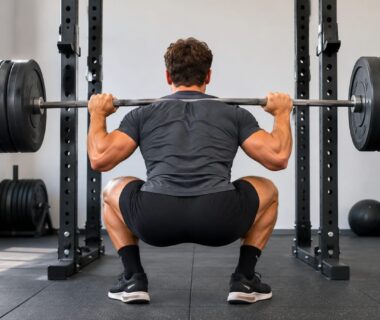
Fat loss follows whole-body energy balance, not the muscle you train. This guide explains lipolysis, genetics, hormones, and how to preserve muscle.
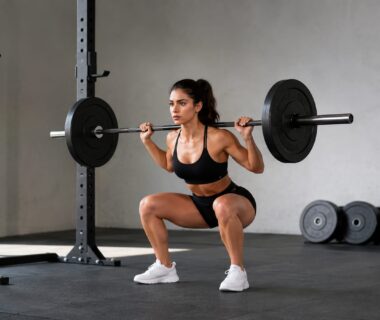
Most women gain strength and definition, not sudden bulk, from lifting. This science-based guide explains muscle growth, calories, hormones, and training.
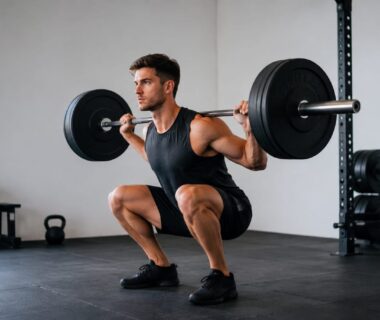
Muscle confusion is a myth: consistent exercises, progressive overload, recovery, and planned variation make strength and muscle gains easier to measure.
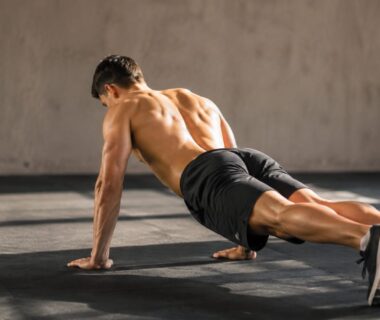
Build better shoulder-blade control with a short pec-minor routine covering push-up plus drills, pressing, scapular work, mobility, and pain-free progression.
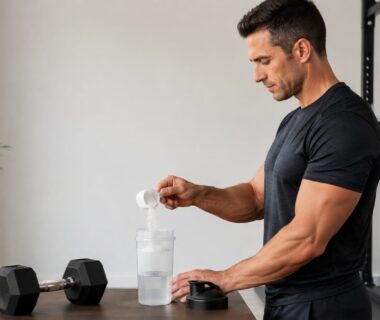
Pre-workout does not directly cause hair loss. Creatine’s DHT study never tracked shedding, so check genetics, diet, stress, sleep, and recovery first.
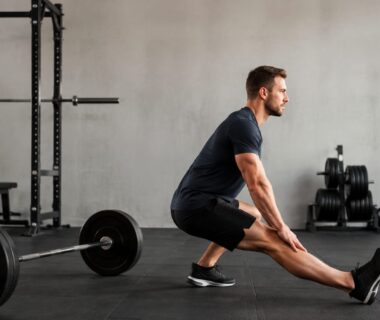
Most flexibility gains come from repeatable practice, not pain or extreme stretches. This guide explains timelines, anatomy, recovery, and safer methods.
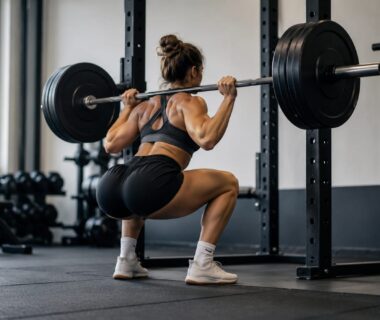
Muscle growth depends on progression, nutrition, and recovery, not soreness or hormone hacks. This guide tests common bodybuilding myths with practical advice.