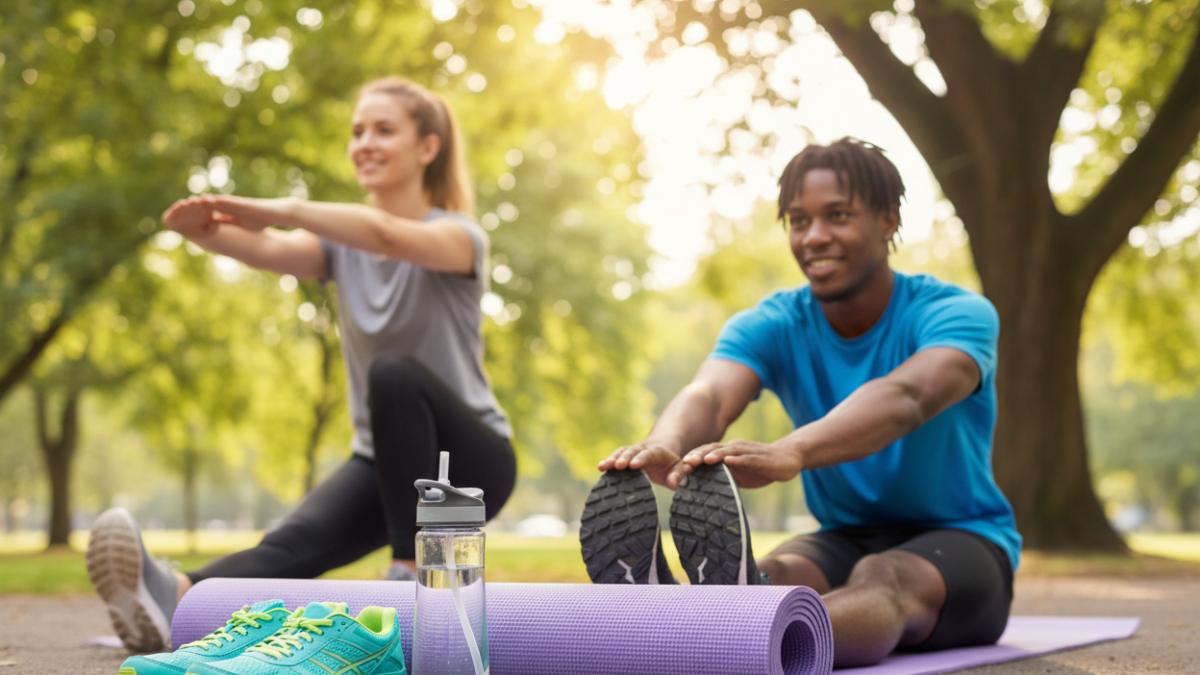
Essential Workout Gear Every Fitness Beginner Needs

 0
0
 0
0 Beginner workout gear essentials get you to the gym with confidence, not clutter. You’ll know exactly what to buy and what to skip so you’re prepared for your first sessions without overspending.
Think comfort, hygiene, and safety first. We prioritize items that reduce friction—so you spend less time scrambling and more time training with consistency.
Expect a simple, organized list: what to wear, shoes and socks, hydration and hygiene, bag setup, affordable extras, tech, basic strength tools, recovery, and quick nutrition tips that fit most U.S. gyms.
Goal: not a perfect setup day one, but a repeatable routine that helps you show up. Follow these picks and you’ll feel prepared, tidy, and confident at the locker room and on the floor.
Key Takeaways
- You’ll get a clear buying plan that saves money and time.
- Comfort, hygiene, and safety come before flashy gadgets.
- Items are grouped by use: clothing, hydration, kit, tech, recovery.
- Recommendations match typical U.S. gym norms like wipe-down etiquette.
- Focus on reducing friction so workouts become a habit.
Why the right gear matters when you’re new to the gym
Showing up is easier when small annoyances don’t derail your session. Forgotten towels, wrong shoes, or no water add friction. Those tiny problems are the real reason people skip days, not a lack of willpower.
Preparedness reduces interruptions and lowers injury risk. Stable shoes and dry hands help you keep good form as you fatigue. Hydration keeps your rep quality higher. Packing intentionally means you can swap machines without panic and finish the plan you brought.
Keep priorities simple: comfort first, hygiene second, then confidence boosters like headphones if they help you show up. Wiping benches is standard gym etiquette, and having your own towel makes that automatic.
- Real reason this matters: remove small barriers that cause skipped sessions.
- Safer movement: stable shoes, dry hands, hydration cut down sloppy form.
- Less friction = more consistency, which beats perfect programming early on.
Quick day-one checklist: Can you move comfortably? Stay reasonably dry? Wipe equipment? Hydrate? Leave feeling okay?
| Priority | Why it helps | Practical pick |
|---|---|---|
| Comfort | Allows full range of motion and longer sessions | Light, flexible shoes and breathable clothing |
| Hygiene | Protects you and others; speeds recovery | Personal towel and quick-dry shorts |
| Confidence | Makes showing up easier and less stressful | Headphones or a simple cap for focus |
Your choices support habit-building and your fitness goals. Treat packing like part of training—it’s a small routine that pays off in consistency, safety, and a better gym experience.
What to wear: comfort, movement, and sweat control
What you wear changes how long and how well you train each session. Start with fabrics that help your body cool and move freely.
Moisture-wicking fabrics vs cotton
Moisture-wicking materials (polyester, microfiber) pull sweat off skin so you don’t feel heavy or clammy. They dry fast and cut down chafing.
Cotton soaks up sweat, sticks to your skin, and can cause rubbing during longer cardio or steady training.
Fit and mobility: how to test “moves well”
Try this simple fitting-room test: squat, reach overhead, hinge at the hips, and jog in place. Check for ride-up, tight seams, and restricted shoulders or hips.
For lifting, favor pieces that stay put and give full range during presses and squats. For cardio, pick lighter, breathable cuts that don’t cling when you sweat.
Headwear and post-session clothing
Headbands, caps, or a sweat-wicking beanie in winter keep hair and sweat out of your eyes so you stay focused.
Always pack a fresh change of clothes and a warm layer for the trip home. Your body cools quickly after exercise, and a hoodie prevents chills and helps recovery.
| Item | When to use | Benefit |
|---|---|---|
| Moisture-wicking tee | Any gym session | Keeps you dry and reduces chafing |
| Stretch shorts/pants | Training or cardio | Unrestricted movement |
| Headband/cap | High-sweat days | Keeps sweat and hair off your face |
- Two to three repeatable outfits beats buying a whole closet.
- Test fit with movement, not just a mirror.
- Pack a change so you’re comfortable after a long day at the gym.
Shoes and socks that protect your joints and your skin
Your feet set the tone for every session—pick shoes that protect and perform. Shoes are the first contact point with the floor, so a poor pair can lead to arch pain or Achilles flare-ups.
Choose by what you do most:
Running shoes vs cross-trainers: pick by primary use
Cushioned running shoes work best if you spend most time on the treadmill or doing long cardio. They absorb impact for repeated steps.
Cross-trainers give a more stable base for mixed lifting and cardio. They handle lateral moves and light weight work better than a pure running shoe.
Stability, arch support, and traction—simple checks
Look for a planted feel during squats so your knees and ankles don’t wobble under load. A snug heel, some arch support, and room for toes are key.
Ask for a quick gait analysis in-store if unsure. Good traction matters when intensity rises—slick soles can feel unsafe during lunges or sled pushes.
Why moisture-wicking socks matter
Cotton traps sweat and can cause blisters, odor, and skin irritation. Moisture-wicking socks keep feet dry and lower infection risk.
Buy a bulk pack of purpose-made workout socks so you won’t wear old cotton pairs by default.
| Feature | Cushioned Running | Cross-Trainer |
|---|---|---|
| Best place | Treadmill, long cardio | Gym floor, mixed training |
| Support | High impact cushioning | Stability for weight moves |
| Traction | Good for forward motion | Better lateral grip |
| Buy checklist | Comfort out of box, breathable uppers, solid outsole | Snug heel, no pressure points, planted feel |
- Quick rule: pick running shoes for treadmill-heavy plans, cross-trainers for mixed gym sessions.
- Prioritize comfort, fit, and quality over brand hype.
Hydration and hygiene basics that every gym expects
A reliable water bottle and a small towel cut down interruptions and keep shared equipment sanitary. Bring both and you’ll stop pausing sets to hunt for a fountain or borrow a grimy wipe.
Reusable bottle features that actually matter
Pick a bottle around 24 oz or larger so you don’t refill mid-session. Bigger bottles reduce trips to the fountain and keep you focused.
- Leak-proof lid — prevents soggy bags and lost items.
- Easy-sip cap or straw — quick gulps between sets without tilting your head back.
- Insulation — useful if you like cold water for longer sessions.
- Carry handle — handy when your hands are full.
For cleaning, wide-mouth bottles are easiest to scrub. Straw lids work well but need more frequent cleaning to avoid buildup.
Quick-dry towel basics for wiping equipment and staying comfortable
Use a microfiber or quick-dry towel. It packs small, dries fast, and won’t stay soaking in your bag for hours.
Wipe benches and machines before and after use to protect communal equipment and reduce germ transfer. A dry hand grip also lowers slip risk and improves safety.
| Item | Practical features | Why it helps |
|---|---|---|
| 24–32 oz bottle | Leak-proof, wide mouth, straw option | Fewer fountain trips, easier cleaning |
| Microfiber towel | Quick-dry, compact, washable | Keeps equipment dry and improves grip |
Simple habits—drink regularly, wipe surfaces, and clean your bottle—keep the gym clean and your sessions uninterrupted. For more on polite gym behavior, see this gym etiquette guide.
A gym bag (or backpack) that makes packing easy and keeps gear clean
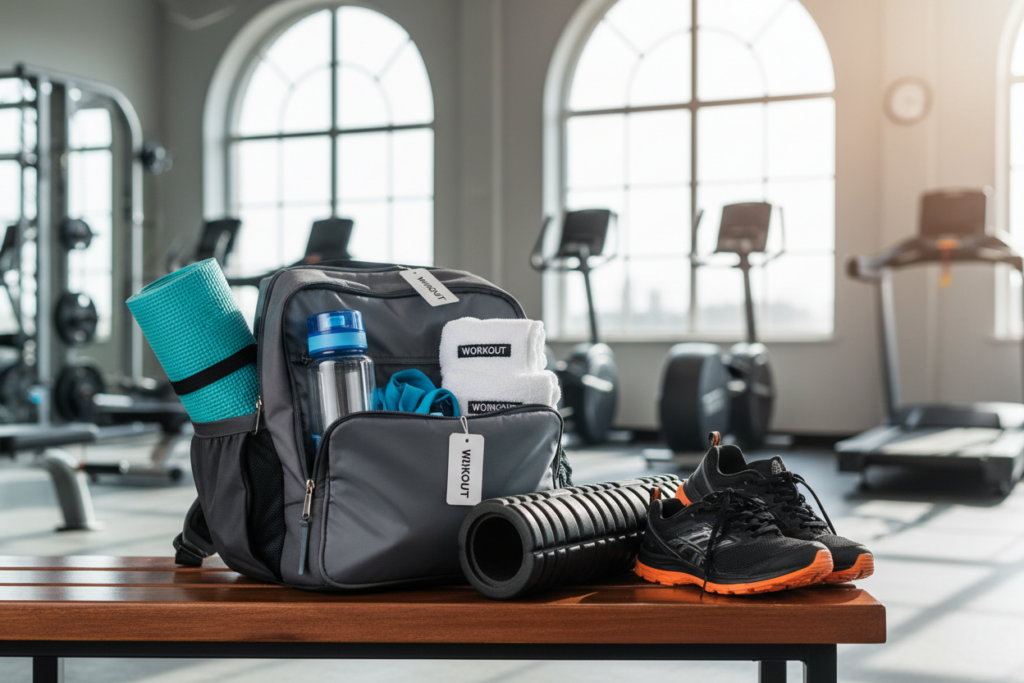
A well-organized bag turns packing into a five-minute habit, not a chore. Pick a size that matches your routine: a compact backpack if you travel light, or a medium duffel if shoes and a towel ride with you every day.
Size and compartments
Shoes in one pocket, wet items in another: use a shoe compartment or separate zip pouch so dirt and moisture don’t touch clean clothes. Keep small tools and personal items in a quick-access pocket to save time between sets and meetings.
Durability and ventilation
Look for reinforced stitching, a water-resistant bottom panel, and solid zippers for long-term quality. Mesh panels or vented pockets cut down the bag-funk and help your items dry faster.
Smart add-ons and freshness habits
Keep these always in the bag: deodorant, bandages, hair ties, travel wipes, and any medical essentials you need. In cold months, stash a hoodie so you’re never cold after you leave the gym.
- After each session: empty the bag, hang towels to dry, and unzip pockets to air it out.
- Separate wet items immediately to stop smells from spreading.
- Wipe the interior now and then and add an odor absorber for longer freshness.
| Pick | Why it helps | When to choose |
|---|---|---|
| Backpack | Light, hands-free | If you pack only a change of clothes and small items |
| Medium duffel | Room for shoes and towel | If you carry shoes and post-session clothes daily |
| Wet/dry pouch | Separates damp items | Whenever you use a towel or damp clothes |
Small extras that make workouts smoother without costing much
A few low-cost items can stop interruptions and keep your session on track. These small additions solve the annoyances that often derail progress when the gym is crowded or time is tight.
Resistance bands: warmups, scale, and plan-B options
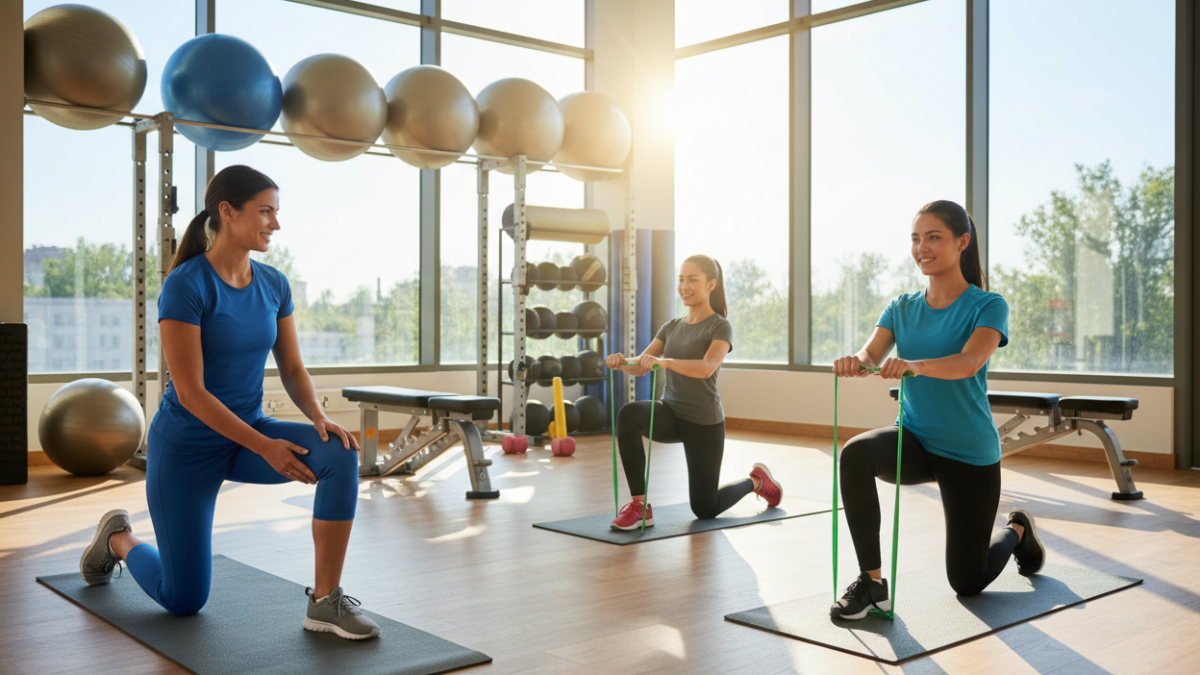
Resistance bands are compact, cheap, and versatile. Grab a light and a medium set for glute activation, shoulder prep, and gentle assistance on pull-ups or push-ups.
When machines are taken, bands let you do rows, presses, curls, and mobility work without waiting. They’re also great for form practice and rehab-style exercises.
Learn more about the hidden benefits of resistance bands and how to use them as a smart backup option.
Hand protection: gloves vs. grip pads
Blisters and sore hands stop many people before their muscles do. Gloves add coverage and wrist support. Grip pads take less space and give a more natural bar feel.
Both prevent calluses, and grips are cleaner when gym chalk is restricted. Pick what feels less fussy for your bag and body.
Quick personal-care mini-kit
Pack a small kit: deodorant, face/body wipes, a travel toothbrush, and a fresh shirt. These items help you head back to work or errands without awkward downtime.
- Why they matter: reduce friction, save time, and keep you consistent.
- Recommended set: light/medium bands, one pair of pads or gloves, and a mini personal-care kit.
| Item | Primary use | Why it helps |
|---|---|---|
| Light + medium bands | Warmups, assistance, plan-B | Compact, replaces machines when busy |
| Grip pads / gloves | Bar protection | Prevents blisters, cleaner than chalk |
| Mini personal kit | Post-session refresh | Quickly presentable for work or errands |
Tech and tracking tools: helpful, but not required to make progress
A small set of tools can sharpen your gym routine without stealing your time.
Headphones: pick what fits your movement. In-ear buds stay put during cardio and quick lifts. On-ear models balance comfort and portability. Over-ear gives the best sound and focus but is bulkier to carry.
Simple watches and trackers
A second-hand smartwatch (Fitbit or Garmin) is often enough. It tracks steps, basic heart rate, and sends reminders. Look for long battery life and clear metrics so you don’t waste time learning menus.
Using heart-rate and machine sensors
Treat heart rate as a rough guide to intensity, not a verdict. Many cardio machines already show pulse and effort, so you can gauge effort without buying extra tech.
Easy tracking workflow
Log exercises, sets, reps, and weight immediately in a notebook or an app like Strong or Fitbod. For runs or walks try Couch to 5k, Runkeeper, or Map My Fitness. Use MyFitnessPal for simple nutrition tracking.
| Tool | What it tracks | Why it helps |
|---|---|---|
| In-ear headphones | Audio, calls | Secure fit for movement |
| Second-hand smartwatch | Steps, HR, reminders | Basic tracking, low cost |
| Machine sensors / chest strap | Heart rate, cadence | Better intensity feedback |
Keep it practical: if tech keeps you consistent, use it. If it adds stress, skip it. Smart rings and VR often cost more than the value they add early on. Progress comes from showing up and tracking the basics over time.
Strength training equipment beginners can buy once and keep using
Buy items that grow with your strength instead of cluttering your floor. Focus on a small set of quality tools that support safer lifting and steady progress.
Starter tools that help form and steady gains
Pick versatile items: resistance bands, a sturdy lifting log, and a pair of adjustable dumbbells cover most needs for years.
Resistance bands double as warm-up tools and assistance for harder moves. A lifting log forces progressive overload and keeps you honest.
Grip aids and wrist straps are simple buys that protect your hands as weights climb. Prioritize stability and build quality over fancy extras.
When a bench or home setup makes sense
Buy a bench if you train at home regularly, need stable support for presses and rows, and have the space to leave it set up.
For limited space, choose a foldable bench or adjustable dumbbells and a small mat. These cover pressing, rowing, squats with goblet hold, and core work without turning your apartment into a gym.
- Clarify “worth buying”: it must be usable weekly and scale with small weight increases.
- Progress tip: prefer items that allow incremental load additions, not one-off novelty tools.
- Safety filter: if you can’t name a weekly use, hold off buying.
| Item | Primary use | Why it lasts | Space impact |
|---|---|---|---|
| Adjustable dumbbells | Presses, rows, squats | Replace many fixed sets; add weight gradually | Low — compact storage |
| Foldable bench | Bench press variations, seated work | Stable support for pressing; durable build matters | Medium — folds for storage |
| Resistance bands | Warm-up, assistance, mobility | Light, versatile, travels well | Very low — pocket-sized |
| Lifting log / simple app | Track sets, weight, progress | Encourages progressive overload; free or cheap | None — digital or small notebook |
Safety note: choose solid construction and stable bases when selecting a bench or heavy items. Quality prevents injuries and protects progress.
For a practical comparison of bench pressing and dumbbell pressing to help decide if a bench fits your plan, see this dumbbell press vs bench press.
Recovery essentials that help you show up again tomorrow
Smart recovery is about small actions that let you show up again tomorrow with less pain. The goal is simple: cut soreness enough so your next session is safe and productive, not to chase fancy biohacks.
Foam roller basics for soreness and tightness
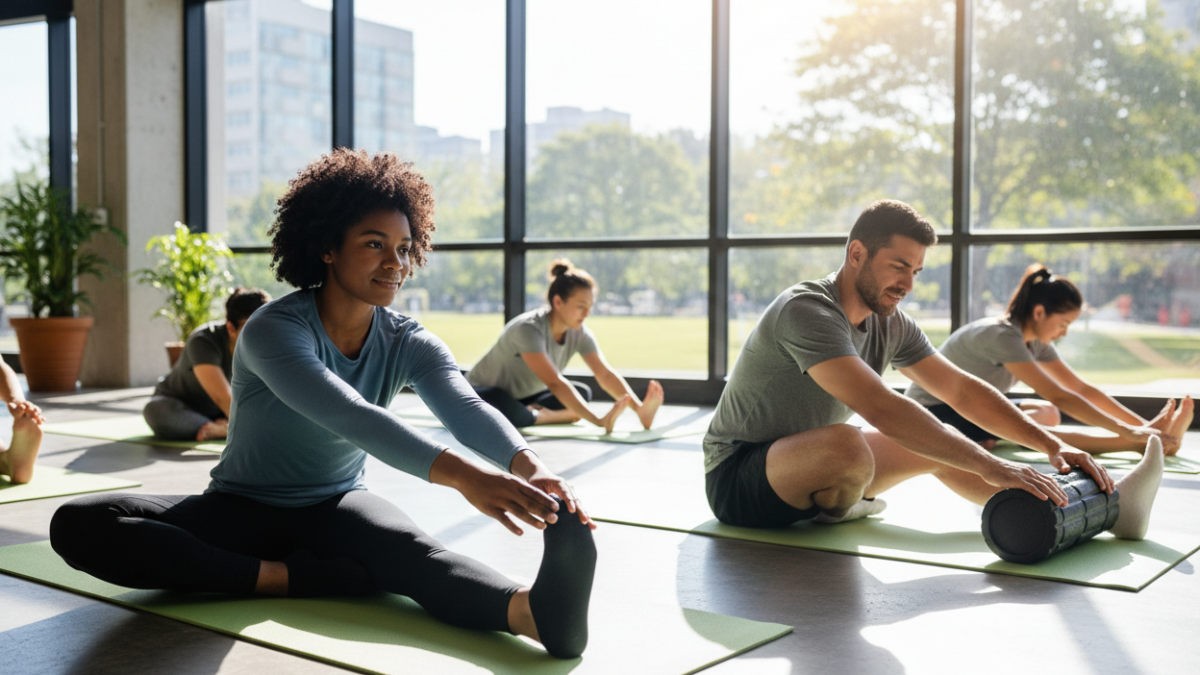
Use the roller after a session or later in the day. Move slowly—five to ten long passes per muscle group.
Focus on common tight areas: quads, calves, and upper back. Apply moderate pressure; it can feel sore but never sharply painful.
If pain spikes, ease up or try a softer roller. Rolling helps break up tight spots over time and speeds return to normal movement.
Massage guns: when they help and when to skip them
Massage guns can ease DOMS and help tight muscle spots when you get frequent soreness or sit a lot. Use short, targeted bursts and keep intensity moderate.
Skip buying one if your budget is tight, you’re irregular at the gym, or light movement plus a roller gives the same relief. They’re useful but not required.
Medical ID and must-carry health items
Carry required meds, an inhaler, or glucose tabs if you need them. These items can prevent a small issue from turning into an emergency.
If you have a medical condition, wear a medical ID so staff and responders know critical info fast. That’s a simple step for safety and peace of mind.
- Recovery goal: be ready to train again, not perfect soreness elimination.
- Roll gently, stop on sharp pain, and progress slowly.
- Bring meds and ID if they matter to your health; never risk it.
| Tool / Item | Primary Use | When to choose |
|---|---|---|
| Foam roller | Reduce tightness in quads, calves, upper back | After sessions or on rest days; moderate pressure |
| Massage gun | Short relief for DOMS and localized knots | Frequent soreness, long sitting periods, targeted use |
| Medical ID & meds | Emergency info and life-saving supplies | Always if you have chronic conditions or allergies |
For more realistic expectations about soreness and what helps, see this muscle soreness myths guide.
Post-workout nutrition and supplements: what beginners actually need
Post-session nutrition doesn’t need to be perfect—just practical, repeatable, and balanced. Aim for a simple plan: protein plus carbs within a reasonable timeframe, not a strict minute-by-minute rule.
Simple recovery plan: protein + carbs when it fits
Get protein and carbs after training to support repair and refill energy. You don’t need a precise window; eating within a couple hours is fine for most people.
Protein helps rebuild muscle and makes your sessions feel more productive over weeks. Carbs top off glycogen so your next gym visit isn’t starting on empty.
Whole foods first
Choose whole foods over supplement stacks when possible. Examples that are easy to find:
- Greek yogurt + fruit
- Chicken or turkey with rice and vegetables
- Eggs and whole-grain toast
- Cottage cheese and berries
Whole foods deliver nutrients and satiety that often outperform a pile of pills or powders.
Portable options for busy days
Use supplements as convenience tools, not requirements. Good choices include a shaker with protein powder, ready-to-drink shakes, or a solid protein bar for the car or office.
| Option | Best use | What to watch for |
|---|---|---|
| Powder + shaker | Quick after-class or gym snack | Look for 20+ g protein |
| Ready-to-drink shake | Travel or time-crunch | Check sugar and ingredient quality |
| Protein bars | Desk or commute | Prefer higher protein, lower added sugar |
Tie this back to your fitness goals: consistency beats perfection. Pick the plan you will repeat on your busiest weeks, and use supplements only as helpful, simple options.
Conclusion
Start simple: pick the few items that remove hassle so you actually go to the gym.
For your first month focus on true essentials: comfortable clothes, supportive shoes and socks, a refillable water bottle, and a quick-dry towel. Add basic tracking so you see progress and keep training honest.
Keep a small set in your bag so packing takes seconds. That repeatable habit lowers friction and makes workouts feel routine, not a chore.
When you’re consistent, upgrade thoughtfully—resistance bands for warmups, a simple log, and a recovery tool if soreness limits your sessions.
One clear rule: quality items that remove barriers beat flashy purchases. Start with essentials, add as you go, and keep showing up.
FAQ
What core items should you buy first to start training safely?
Why does the right clothing matter more than just looking the part?
How do I choose between running shoes and cross-trainers for mixed sessions?
What should I know about socks to protect my feet during workouts?
Which water bottle features actually matter for the gym?
How big should my gym bag be and what compartments help most?
What small extras are worth keeping in the bag at all times?
Are resistance bands useful for people who train in a crowded gym?
When should you invest in lifting gloves or grip pads?
Do you need tech like fitness trackers or heart-rate monitors right away?
What headphone type is best for gym focus and safety?
What strength tools are smart first purchases for home training?
How should you handle recovery without spending a lot of money?
What post-training snacks or supplements actually help progress?
How do you keep a gym bag from getting smelly?
When is it worth buying a bench or other home equipment versus using the gym?
Are medical IDs or carrying health items important for training?