

Lifting Heavy Stunts Your Metabolism? Here’s the Truth

 0
0
 0
0 You’ve probably read that phrase and felt a knot of worry—especially if you coach kids or want to get back into training after years off.
Let me be blunt: the claim that properly run weightlifting or resistance training stops growth lacks solid science. When sessions are coached with clear cues and sensible progressions, they build strength, bone resilience, and confidence rather than harm development.
Growth plates can get hurt by poor form, reckless loads, or zero supervision. That’s the real risk—not sensible exercise that starts with bodyweight moves and moves up to light weights for 12–15 reps.
If you’re a parent, coach, or adult returning after years away, you can train safely. We’ll point out what the research says, practical steps to protect children and adults, and how smart programming boosts performance and long-term health.
Key Takeaways
- Proper coaching matters: supervision and technique reduce injury risk for children and adults.
- Well-designed weightlifting improves strength, bone health, and confidence.
- Start with bodyweight moves; add light weights only after form is solid.
- Growth plate injuries are linked to poor form and overload, not safe, progressive training.
- You can rebuild strength after years away with simple, consistent training choices.
What people mean when they say “lifting heavy stunts metabolism”
That line about youth and weights sounds scary, but it usually confuses cause and effect. People often voice concerns about stunt growth when they really mean poor technique, rapid load jumps, or lack of supervision.
Most injuries in kids come from overuse, bad form, or trying max loads before skill is ready. The weight room gets blamed, though many sports and play activities show similar risks. Growth plate issues are tied to inappropriate loading—not guided training.
- Start with movement: teach patterns before adding weights.
- Supervise and progress: slow increases, clear cues, rest days.
- Context matters: age, experience, and sport shape safe plans.
| Risk Source | Typical Cause | Quick Fix |
|---|---|---|
| Growth plate stress | Sudden overload or poor form | Technique first, light loads |
| Overuse | Too much volume, no rest | Scheduled recovery |
| Acute injury | Poor supervision, bad mechanics | Coach cues and scaled training |
The science of metabolism: what actually drives your daily burn
Know this: your day-to-day energy use is driven by more than just the time you spend in the gym. Most calories you burn come from your resting metabolic rate and your non-exercise activity (NEAT)—walking, chores, standing, fidgeting. Workouts add a useful boost, but they are only part of the picture.
Resting metabolic rate, NEAT, and exercise: where strength training fits
Resting metabolic rate is the baseline. It’s what your body needs to keep organs working. NEAT often swings more day-to-day than formal sessions. That makes daily movement a powerful lever for energy use.
Well-planned strength training and resistance work build or preserve muscle. That change nudges resting rate up slightly and helps you use energy more efficiently across the week.
Muscle mass and EPOC: why more strength often means a higher metabolism
Muscle tissue burns a bit more at rest. Add to that EPOC—the afterburn effect—and a few tough sessions become a modest, cumulative calorie increase. It’s not dramatic, but over months it helps.
- Two to four full-body training sessions weekly give the best return on time.
- Start with bodyweight and lighter loads (12–15 reps) to teach control.
- Combine conditioning with resistance work for complete performance gains.
| Driver | What it affects | Practical tip | Why it matters |
|---|---|---|---|
| Resting metabolic rate | Daily calorie baseline | Prioritize sleep, protein, and steady strength training | Sets most of your daily burn |
| NEAT | Daily variability | Walk more, stand, add short movement breaks | Often the easiest way to raise total burn |
| Resistance training | Muscle and strength | Two–four full-body sessions with compound moves | Builds long-term capability and supports growth |
| EPOC | Post-workout calories | Include occasional higher-intensity sets or circuits | Small, cumulative boost over weeks |
Bottom line: smart weightlifting and resistance training help your body become stronger and more resilient over the years. They raise your capacity to move, improve performance in sports and daily life, and support steady development—without harming growth when programmed correctly.
Myth-busting snapshot: lifting heavy stunts metabolism myth
Let’s clear this up: supervised strength work does not stop children from growing or wreck your long-term energy use.
Decades of sports medicine guidance, including NSCA reviews, show properly run weightlifting and resistance training is safe and beneficial for kids and adults. The gains: stronger bones, fewer sports injuries, and better confidence.
The real risk? Poor technique and unmanaged loading. That’s what causes most problems—not controlled progressions or age-appropriate sessions.
- No credible evidence links coached weightlifting to halted growth or damaged energy systems.
- Safer alternative: start with bodyweight and light loads, build control, then increase reps or resistance.
- Reduce risk with warm-ups that rehearse the moves and with consistent coaching feedback.
| Concern | Reality | Simple fix |
|---|---|---|
| Growth | No harm with supervision | Age-appropriate progressions |
| Injury risk | Linked to poor form | Technique and volume control |
| Performance | Improves over years | Consistent, guided training |
Bottom line: train smart, prioritize safety, and you’ll improve performance across sports and daily life—year after year.
Why this myth keeps spreading (and how it got tangled with growth concerns)
Stories about damaged bones spread fast, even when the real cause was poor coaching. A single visible injury becomes a headline and turns into a lasting concern for parents and coaches.
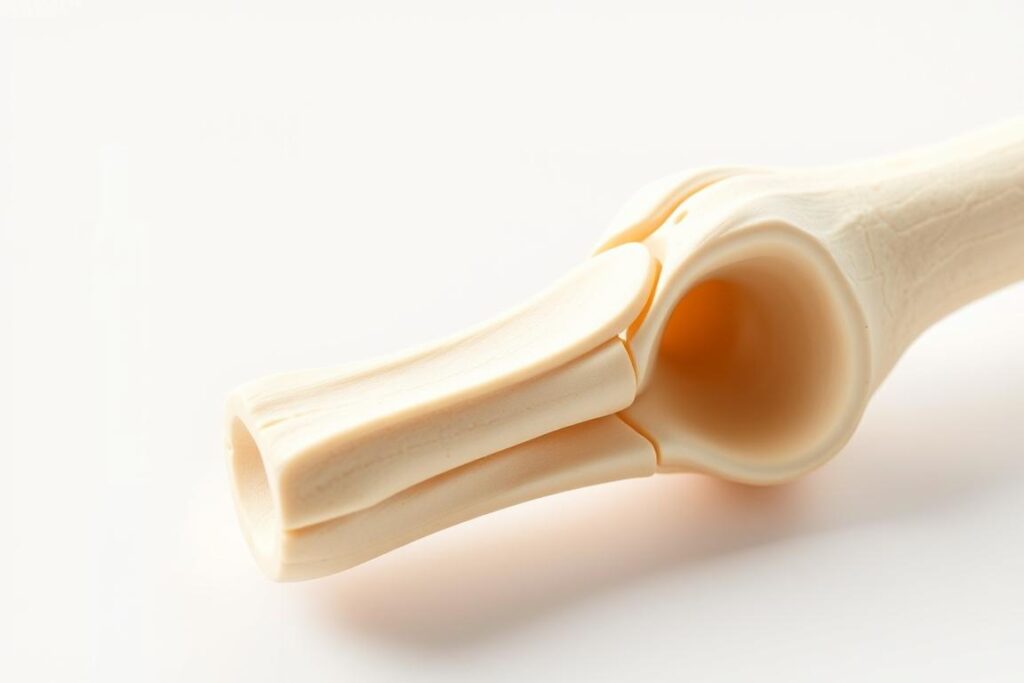
Growth plates are soft cartilage at the ends of long bones during development. They can be hurt by poor form, too much load too soon, or lack of supervision. That’s likely where people drew the wrong conclusion that training stops growth.
Outdated fears about growth plates and “heavy” weights
The real pattern: most problems result poor technique or inappropriate loading, not age or training itself. What’s heavy for one child is different for another. Context matters—readiness, coaching, and gradual progress fix most issues.
- See an acute hurt? Stop, reassess, and scale back the weight or range.
- Choose programs that screen readiness and teach consistent setup and form.
- Remember: years of smart training beat short bursts of risky pushing.
| Concern | Typical cause | Fix |
|---|---|---|
| Growth plate fear | Poor supervision | Age-appropriate coaching |
| Injury | Result poor technique | Teach movement, then add weight |
| Long-term development | Rushed progress | Progress step by step |
What the research and sports medicine experts actually say
Peer-reviewed studies and sports medicine bodies mostly agree: supervised resistance training is safe and effective for children and adults when done properly.
Properly designed resistance training improves bone health and strength
Multiple studies report higher bone strength index and better muscle control after tailored resistance programs.
Outcomes include fewer sports injuries, improved coordination, and better long-term health and performance over years.
Supervision and technique—not the act of lifting—determine risk
Guidance from sports medicine groups, including NSCA-style recommendations, shows risk links to poor form, abrupt load jumps, or inadequate rest.
Practical takeaways:
- Use structured warm-ups and simple progressions before adding load.
- Track soreness and adjust volume to reduce injuries and recover well.
- Ask coaches how training programs scale intensity and cue technique.
| Expert consensus | Evidence | Action |
|---|---|---|
| Sports medicine guidance | Supervised youth programs safe | Choose coached sessions |
| Research | Bone and muscle benefits | Follow progressive plans |
| Risk profile | Linked to form and volume | Prioritize technique and rest |
Youth strength training and growth plates: separating fact from fear
Parents worry that early gym work will shorten growth, but evidence and practice tell a calmer story. Supervised training emphasizes movement quality, not chasing numbers. That difference matters for a child’s long-term development.
Growth plates are vulnerable to poor form, not to safe, coached programs
Growth plates stay softer until maturity and need respect. Most harm comes from sloppy technique, sudden load jumps, or no supervision.
Evidence shows no negative impact on height with supervised programs
Clinical studies and sports medicine guidance report no height suppression when children do coached resistance work. What matters is program quality and consistent cues.
Benefits for young athletes: performance, confidence, long-term health
Youth who follow age-appropriate training see better bone strength, fewer sports injuries, and higher self-esteem. Start around ages 7–8 when kids can follow instructions and balance.
- Practical checks: can they balance, breathe, and brace before adding weight?
- Warm-ups: squat sits, hip hinges, planks, simple hops.
- Keep early sessions playful and skill-based; measure progress by form, not just load.
| Risk | Cause | Simple fix |
|---|---|---|
| Growth plate stress | Poor technique, sudden load | Form first, coach oversight |
| Overuse | Too much volume | Rest and varied training |
| Poor skill carryover | Rushed progress | Playful drills and clear cues |
Safety first: how to reduce risk and lift with confidence at any age
Start with safety, not numbers—your progress should be measured in clean reps and steady steps.
Movement quality before load
Nail the five patterns: squat, hinge, push, pull, lunge. Practice them with bodyweight until control is effortless.
Use clear cues: neutral spine, full-foot pressure, ribs stacked, smooth tempo.
Age-appropriate progressions and rest
Build reps and range first. Add light loads for 12–15 reps only when form stays perfect.
Schedule rest days and rotate patterns to reduce overuse and lower injury risk.
Certified coaches and clear cues for proper form
Work with coaches who cue consistently and spot when needed. Feedback beats guessing every time.
If a joint hurts, regress the variation or cut the load immediately.
- Match training to readiness, not to what others lift.
- Warm up the exact movement before work sets.
- Stop a set a rep or two early if technique breaks.
- Confidence grows from clean reps repeated across months and years.
| Focus | Practical action | Why it matters |
|---|---|---|
| Movement | Master bodyweight patterns first | Reduces common injuries and builds a strong body |
| Technique | Use simple cues and coach feedback | Keeps form stable as loads rise |
| Progression levels | Increase reps, then small weight steps | Prevents overuse and abrupt injury |
| Programs | Choose coached, age-appropriate plans | Better long-term training outcomes |
How to start smart: programs that build strength without compromising health
Pick basic exercises and measure progress by form, not by the number on the bar. Start simple and stay consistent. That beats flashy routines you can’t keep up.

Beginner focus: higher reps, lighter loads, perfecting technique
Begin with bodyweight moves: squats, lunges, push-ups, planks, and inverted rows. Do two to three full-body sessions per week.
Use higher reps (12–15) and pause at the bottom to groove control. Keep one rep in reserve each set to protect form.
When and how to add weight: gradual progression with feedback
When control is steady, add light weights for 12–15 reps. Increase by 2.5–5 lb steps and recheck technique after each change.
Log reps, tempo, or range. Progress by adding reps, slowing the lowering phase, or extending range before adding load.
- Template: 2–3 sessions/week, core bracing drills, carries, and 3–4 compound exercises per session.
- Expect steady gains in muscle, performance, and basic power across months and years.
| Stage | Focus | Progress marker |
|---|---|---|
| Beginner | Technique, reps 12–15 | Clean sets without pain |
| Intermediate | Small weight steps, controlled tempo | 2.5–5 lb jumps with perfect form |
| Advanced | Planned resistance, power work | Improved jumps or sprints, consistent logs |
For young athletes: when kids can lift, and what to do first
Spotting readiness is less about age and more about attention, balance, and posture. Many children near ages 7–8 can start basic resistance training when they follow directions and show steady body control.
Readiness signs: listening, balance, posture, and safety awareness
Look for these signals: they listen to cues, keep a neutral spine, and can balance through simple drills. If a child misunderstands safety or loses posture under load, wait and retrain the movement.
Bodyweight foundation: squats, lunges, push-ups, planks, rows
Begin with bodyweight exercises to teach alignment and coordination. Keep sessions short, playful, and skill-focused so kids enjoy training and repeat the drills.
- Squats, lunges, push-ups, planks, and inverted rows build a reliable base.
- Measure progress by clean reps, not by the number on the scale.
- Coaches should cue the same fundamentals each session to lock habits.
Introducing light weights: 12–15 reps with strict form before loading up
When form is reliable, add light weights for sets of 12–15 reps. Start with goblet squats or dumbbell rows before moving toward barbells.
Parents: ask coaches what must be mastered before adding load. A small weight at the right level will improve posture, speed, and sport skills over time.
| Stage | Focus | Practical check |
|---|---|---|
| Readiness | Listening, balance, posture | Follows 3-step cue and holds position 3s |
| Bodyweight | Movement control | 10 clean reps with same technique |
| Light resistance | 12–15 reps, strict form | Technique unchanged with added weight |
Understanding injury risk—and how to keep it low
Small mistakes repeated over time cause far more damage than one heavy day. Most common injuries come from technical breakdowns, too much volume, or missed recovery.
Common issues: muscle strains, overuse, and avoidable ligament stress
Muscle strains and overuse problems show up when intensity or frequency jumps too quickly.
Ligament stress often follows poor movement under load, not the act of resistance itself.
Technique, appropriate volume, and recovery are your best insurance
- Warm well: pattern the main lifts and activate the muscles before you push hard.
- Cap hard sets: limit top-end work per muscle group across the week to reduce overuse.
- Prioritize technique: when form slips, cut weight or end the set immediately.
- Rotate variations to spread stress across the body and keep joints healthy over years.
- Track weekly hard sets as a reality check on cumulative training load.
- Sleep and simple mobility work help you stay consistent and reduce risk injury.
| Common Cause | Result | Quick Fix |
|---|---|---|
| Poor technique | Acute strains or chronic pain | Regress the move; focus on reps with perfect form |
| Too much volume | Overuse injuries | Cut hard sets; add rest days |
| Ignored ache | Worsening problem | Reduce range or swap exercise early |
A practical roadmap for parents, athletes, and coaches in the United States
A short roadmap helps parents, coaches, and athletes pick the right path without guesswork.
At-home options vs. gym settings: choosing the right environment
Home works when you have space, a plan, and a few tools. Bodyweight work and light dumbbells cover months of development.
Gyms add variety and professional oversight. If you want coached sessions, look for programs that spell out progressions for reps, range, and load.
Sport-specific add-ons once fundamentals are rock-solid
Only add sport drills after base patterns are consistent and painless. That keeps performance gains steady and avoids overuse.
Quick decision checklist
- Do you have space and a few dumbbells? Home is fine.
- Want coaching or more equipment? Choose a gym with vetted coaches.
- Is the program clear on progression and age/levels? Pick it.
- Track form, recovery, and how reps look — not just numbers.
| Option | Pros | Cons |
|---|---|---|
| Home setup | Convenient, low cost, good for basics | Limited equipment, less coach feedback |
| Gym | More tools, classes, experienced coaches | Cost, travel time, variable program quality |
| Hybrid | Practice at home, coach sessions weekly | Requires planning and consistency |
Simple gear list: dumbbells, a sturdy bench, a pull-up bar. Use full-body templates three days per week when time is tight — or follow a trusted split like our full-body templates.
Red flags and course corrections that keep progress on track
Spotting subtle breakdowns early saves weeks of progress and a lot of worry.
Quick checks: if a rep loses shape, stop and fix it. Don’t let ego or external pressure dictate load.
- Red flag: form degrades as sets progress — fix: cut load, reduce reps, shorten range, then rebuild clean positions.
- Red flag: joint pain during or after training — fix: swap the exercise or tweak setup before chasing more weights.
- Red flag: stalling for weeks — fix: use a short deload, change volume, or try a fresh variation to refresh progress.
- Red flag: skipped warm-ups — fix: reintroduce patterning and activation to restore power and control.
- Red flag: chasing PRs weekly — fix: focus on steady development markers across months and years.
Course-correct by tightening technique cues, setting clear rep targets, and timing rest. Ask your coaches for one or two priority cues you can remember when tired.
| Red Flag | Quick Fix | Why it matters |
|---|---|---|
| Form drops | Lower load; practice clean reps | Prevents result poor outcomes and reduces injuries |
| High fatigue | Shift to submax work and tempo control | Keeps quality and long-term development |
| Pursuing max too often | Scale to control; match weights to levels | Protects joints and preserves training power over years |
Conclusion
Smart progressions and clear cues turn risk into reliable development.
Sports medicine and research agree: supervised resistance training and careful weightlifting do not stop growth. When coaches cue technique and scale load, children and youth gain strength, bone health, and confidence.
Start with bodyweight movement, then add light weights for 12–15 reps. Focus on clean reps, consistent practice, and simple programs that track quality over numbers.
Parents, coaches, and athletes all win when training is taught and paced. Watch growth plates for pain, ask how a coach adjusts plans, and pick sessions that prioritize safety.
Next step: begin with basic patterns today, keep progress slow, and let steady work build real power and long-term performance.
FAQ
Does lifting heavy stunt your metabolism?
What do people mean when they say “lifting heavy stunts metabolism”?
How does strength training actually affect daily calorie burn?
Can strength training damage growth plates or stunt a child’s growth?
Why do people still believe this myth?
What do experts and sports medicine say about resistance training for youth?
How can you reduce injury risk when doing strength training?
What should beginners focus on to build strength safely?
When is it appropriate to introduce kids to resistance exercises with weights?
What are the most common injuries and how do you prevent them?
Should parents prefer at-home training or a gym for young athletes?
What are red flags that a program needs changing?
How do you balance strength gains without risking overuse?
Who should you consult if you’re unsure about a youth strength program?