

How Cluster Sets Preserve Speed for Strength and Power
Cluster sets preserve bar speed and technique during heavy work. This guide explains intraset rest, loading, lift selection, and practical programming rules.
Cluster sets preserve bar speed and technique during heavy work. This guide explains intraset rest, loading, lift selection, and practical programming rules.
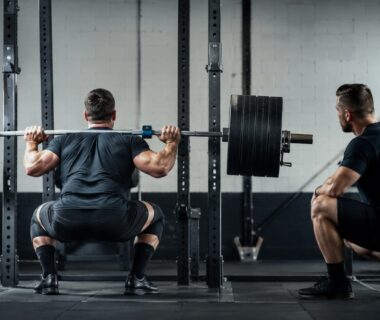
Velocity-based training helps advanced lifters adjust load, control fatigue, and track progress on variable days without relying on constant max testing.
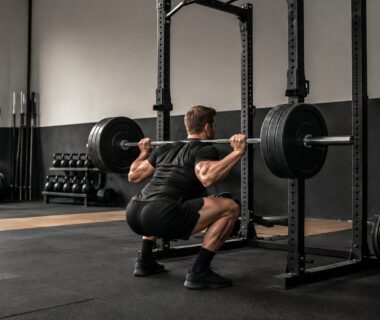
Use double progression, honest technique, small load increases, and recovery checks to keep training productive when progress slows for advanced lifters.

Ever wondered how to reach your full strength training capacity? An eccentric-only workout might be the key. These exercises focus on the muscle lengthening phase, key for growth and fitness. They offer unique benefits that enhance strength, stability, and daily performance. Studies prove that adding eccentric exercises boosts muscle strength. It’s essential for both newbies […]
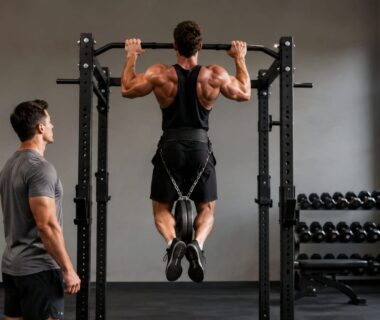
Controlled lowering, gradual loading, and recovery make negative reps useful for strength and muscle without turning training into a soreness contest.
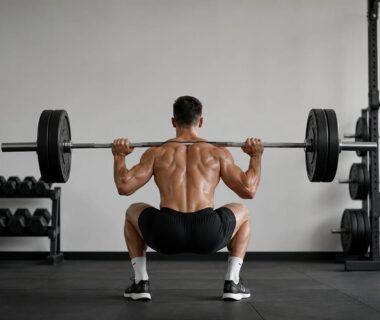
Strength and size are related, not identical: see how neural skill, technique, body proportions, training load, and hypertrophy shape your results.

Linear progression builds strength and muscle through repeatable lifts, clean reps, small increases, and fatigue control. This guide shows how to apply it.

Stable lifts, measured changes, and smart progression help you build muscle while reducing wasted fatigue, joint irritation, and training guesswork.

The deadlift is a powerhouse move in powerlifting. It works a bunch of muscles for total-body strength. Unlike other exercises, deadlifts let you lift heavier weights. This works the posterior chain, which includes major muscles like traps and glutes. This full muscle work boosts your powerlifting and everyday strength. My program uses these power moves […]
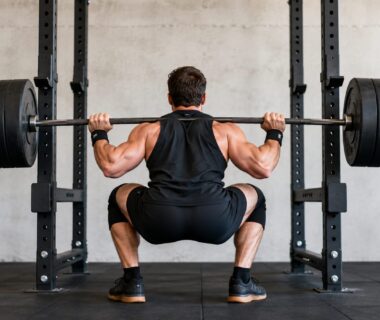
For most busy natural lifters, 3×5 delivers strength with less fatigue. Compare volume, loading, recovery, progression, and when 5×5 makes sense.
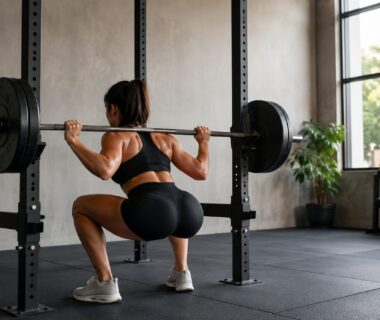
Use 3 to 6 clean reps for main lifts, adjust for experience, and add 6 to 12-rep assistance work to build strength without constant maxing.