
30 Minute Strength Workout for Busy Women With Limited Time

 0
0
 0
0 Did you know that nearly 80% of American women cite “not enough time” as their biggest hurdle to consistent exercise? Here’s the truth—your schedule isn’t the enemy. The real problem is the fitness industry’s obsession with long, complicated routines.
You can reclaim your calendar. This guide is built on a simple, powerful idea: a highly focused routine that delivers maximum impact. We’re cutting through the noise to give you a practical, evidence-based plan.
It fits seamlessly into the life of a modern professional, a parent, or anyone juggling multiple roles. Your body doesn’t need endless hours—it needs intensity and smart consistency.
By following this structured approach, you’ll build a sustainable habit. This isn’t about a quick fix. It’s about gaining lasting energy and resilience for your most demanding days.
Key Takeaways
- A short, focused training session can produce significant physical results.
- This plan is designed with your real-world time constraints in mind.
- The methodology is based on exercise science, not passing trends.
- You will learn how to create a fitness habit that actually sticks.
- The routine aims to boost your daily energy and mental focus.
- It is adaptable whether you are just starting out or have some experience.
- You can prioritize your health without sacrificing other successes.
Why Short, Effective Workouts Are a Game Changer
The secret to transformative fitness isn’t more time—it’s smarter training. Chris Reid, national personal training manager at Fitness First, cuts to the chase: weights-based circuits are essential for building lean muscle mass.
Here’s the powerful ripple effect. When you increase that muscle mass, you effectively raise your metabolic rate. Your body then burns more calories long after the session ends—even while you’re at your desk.
You do not need to spend hours at the gym. A focused, high-intensity session can reshape your body composition and boost your strength.
Think of it as being as efficient as cooking a quick dinner, but with superior physiological benefits. By zeroing in on strength, you dial up the gains. Every minute you invest works directly toward your long-term health goals.
Embracing the 30 minute strength workout for busy women
Forget everything you’ve heard about needing endless hours to see real change in your body. The revolution is in a single, powerful session. A focused dumbbell routine delivers a complete head-to-toe burn.
It hits every major muscle group. You’re not sacrificing results—you’re engineering them.
This plan is built for your reality. It’s designed to be done in under half an hour. We respect your time, but we don’t compromise on intensity.
That intensity is what transforms your physique and builds true physical strength. Your body responds to smart, consistent demand.
By choosing this path, you value efficiency over marathon gym sessions. It’s the perfect solution for women navigating a chaotic schedule.
This training method keeps you on track. It turns limited time into your greatest asset.
Getting Started: Essential Equipment and Setup
Here’s the truth: you don’t need a fancy gym membership to build real strength. Your foundation is a simple, effective setup. It’s about choosing gear that supports your goals—not overwhelms them.
Choosing the Right Dumbbells and Gear
Start with versatile weights. A pair of dumbbells and a kettlebell can cover most movements. For example, the Women’s Health range at Argos offers a 20kg barbell set, 6kg dumbbells, and an 8kg kettlebell.
The right weight feels challenging but allows perfect form. That linen yoga mat? It’s not just for stretching—it defines your space and protects your joints.
Setting Up Your Home or Office Workout Space
You don’t need a massive room. A corner in your living area or office is enough. Clear a small zone and keep your gear accessible.
This turns intention into action. Consistency thrives when your fitness tools are visible and ready.
Dynamic Warm-Up: Prepare Your Body for Action
Skipping your warm-up is like driving a car with a cold engine—you’re asking for trouble and wasting potential. Here’s the truth: a dedicated five-minute routine is non-negotiable. It wakes up your system, loosens stiff joints, and shakes off the sluggishness from sitting.
This isn’t wasted time. It’s an investment in safety and performance. Your body needs a clear signal that it’s shifting gears from rest to exertion.
Simple Mobility Exercises to Wake Up Your Muscles
Focus on mobility, not just stretching. You need to lubricate the joints you’ll rely on most. For anyone tied to a desk, your hips and shoulder joints are usually the tightest.
Mobilizing them first ensures you’re ready for powerful, compound movements. This brief period also helps you transition mentally. You leave the day’s stress behind and enter a focused state.
By preparing properly, you drastically cut injury risk. Every muscle is primed and your range of motion improves. This lets you execute each move with better technique and more power.
Consistency here pays off every single session. For a foundational approach without equipment, check this beginner’s guide to bodyweight training.
| Exercise | Target Area | Reps/Time | Key Benefit |
|---|---|---|---|
| Hip Circles | Hips & Glutes | 10 per side | Increases pelvic mobility for squats and hinges |
| Arm Circles | Shoulders & Upper Back | 15 forward, 15 back | Warms rotator cuff, improves overhead reach |
| Cat-Cow | Spine & Core | 8-10 cycles | Mobilizes the spine and engages core muscles |
| Leg Swings | Hips & Hamstrings | 12 per leg | Dynamically stretches legs, improves balance |
Stick to this simple table as your go-to blueprint. These moves directly combat the stiffness of modern life. They get your body and mind in sync for the work ahead.
Targeting Major Muscle Groups with Compound Movements
Let’s cut to the core of efficient training: your body responds best to movements that demand multiple areas at once. These are called compound movements. They are the ultimate time-savers because they engage several major muscle groups simultaneously.
You get a high return on every rep. Instead of isolating one spot, you train your entire system to work as one unit.
Functional Exercises for Glutes, Core, and Shoulders
Focus on actions that mirror real life. A squat pattern builds your glutes and legs while challenging your core for stability. A pressing motion strengthens your shoulders and chest.
These are functional exercises. They build a foundation of strength that directly supports how you move all day. You’re not just working out; you’re training for resilience.
Benefits of Using Compound Movements
The advantages are clear. First, you build lean muscle mass efficiently. Your metabolism gets a lasting boost from engaging large muscle groups.
Second, your posture and core stability improve dramatically. This is vital for anyone with long workdays. Finally, these movements ensure your body works in harmony.
You develop balanced strength and reduce injury risk. It’s smart training that respects your limits and maximizes your results.
Detailed Dumbbell Workout Breakdown
This is where theory meets practice: executing key exercises with precision. Your focus now shifts from concept to concrete action. Each rep builds the foundation of power you’re after.
Dumbbell Hip Thrusts, Loaded Deadbugs, and More
Start with the dumbbell hip thrust. Sit on the floor, knees bent, with your upper back against a stable bench. Perform 20 reps, driving through your heels. This move directly targets your glutes and hips for powerful posterior development.
Next, the loaded deadbug. Lie on your back with knees and hips at 90 degrees, arms straight toward the ceiling. Complete 20 reps, maintaining constant tension. It’s a supreme exercise for deep core stability and protecting your abs.
Integrate moves like the kneeling dumbbell shoulder press. Brace your core and press the weight directly overhead. This effectively targets your shoulders. The single-leg deadlift demands balance and hip stability—keep your core engaged throughout.
How to Maintain Proper Form and Safety
Form is your non-negotiable shield. For every exercise, engage your core as if bracing for impact. This protects your spine and maximizes muscle recruitment.
During the single-leg deadlift, focus on a stable hip and a neutral spine. For pressing movements, ensure your shoulders are packed down, not shrugged.
Take no more than 60 seconds of rest between sets. This keeps intensity high and your heart rate elevated. It turns your workout into a potent metabolic stimulus.
Listen to your body. If your glutes aren’t firing during thrusts, reset your position. If your abs shake during the deadbug, that’s the signal you’re on the right track. This disciplined approach makes your workout both safe and brutally effective.
Supersets and Circuit Training Explained
What if you could double the effectiveness of your session without adding a single extra minute? Here’s the truth: the secret lies in how you structure your effort. Supersets and circuit training are not complex—they’re just brilliantly efficient.
This approach keeps your heart rate elevated. You move from one exercise to the next with minimal pause. It transforms a standard routine into a potent metabolic engine.
Understanding Superset Structures and Rest Intervals
A superset means performing two exercises back-to-back. You might pair a lower-body move like goblet squats with an upper-body press. This targets different muscle groups without excessive downtime.
Your rest intervals become strategic. Instead of long breaks, you take brief pauses only when needed. This maintains the intensity required for real change.
Circuit training takes this further. You string several exercises together in a sequence. Complete one full round before resting. This method saves time while maximizing every minute of your workout.
Understanding how to manage your rest is key. It ensures you build physical strength safely and effectively. Your body adapts to consistent, smart demand.
Quick Cardio Boost: Treadmill Finisher & Sprint Intervals
Your workout isn’t truly complete until you’ve challenged your heart and lungs. Here’s the truth: a strategic finisher amplifies everything you just accomplished. It pushes your cardiovascular system, forcing adaptation and extra calorie burn.
How to Incorporate Sprint Finisher Sessions
After your strength circuit, hop on the treadmill. Start with a five-minute warm-up at 0% incline. This gently elevates your heart rate and preps your body.
Then, launch into intervals. Alternate hard sprints between 10 and 16km/h with short rest breaks. This pattern challenges your cardiovascular system intensely.
As Chris Reid suggests, putting everything into this finisher ensures you continue to burn calories after leaving. It’s a powerful metabolic boost.
This approach is excellent for improving heart health and endurance. It requires very little time but delivers outsized benefits.
Always finish with a three-minute cool down at 0% incline. This allows your heart rate to return to normal safely. For a deeper strategy on blending these efforts, learn how to mix cardio and weight training effectively.
Mixing Strength Training with Habit-Stacking Techniques
What if your daily tasks could double as secret training sessions? Here’s the truth—the most sustainable fitness plan isn’t a separate block on your calendar. It’s woven into the fabric of your existing routine.
This is habit-stacking. You attach a simple movement to a daily trigger. Do standing calf raises while reviewing emails. Hold a wall sit during a team video call.
Incorporating Movement into Your Daily Routine
By folding these actions into your life, fitness stops being a chore. It becomes a natural part of your day. These micro-sessions improve your posture and engage your core, glutes, and shoulders.
You build resilience without hunting for extra time. Prioritizing movement fuels your health and mental clarity. You bring more power into every room you enter.
Your routine becomes your foundation. It supports your long-term health and daily energy. This is how you make strength a seamless part of your life.
Adapting Your Training to Fit a Busy Schedule
Adapting your training isn’t about finding more hours—it’s about making the hours you have work harder. Your schedule demands flexibility, and your fitness plan should deliver. This is where a smart method shines.
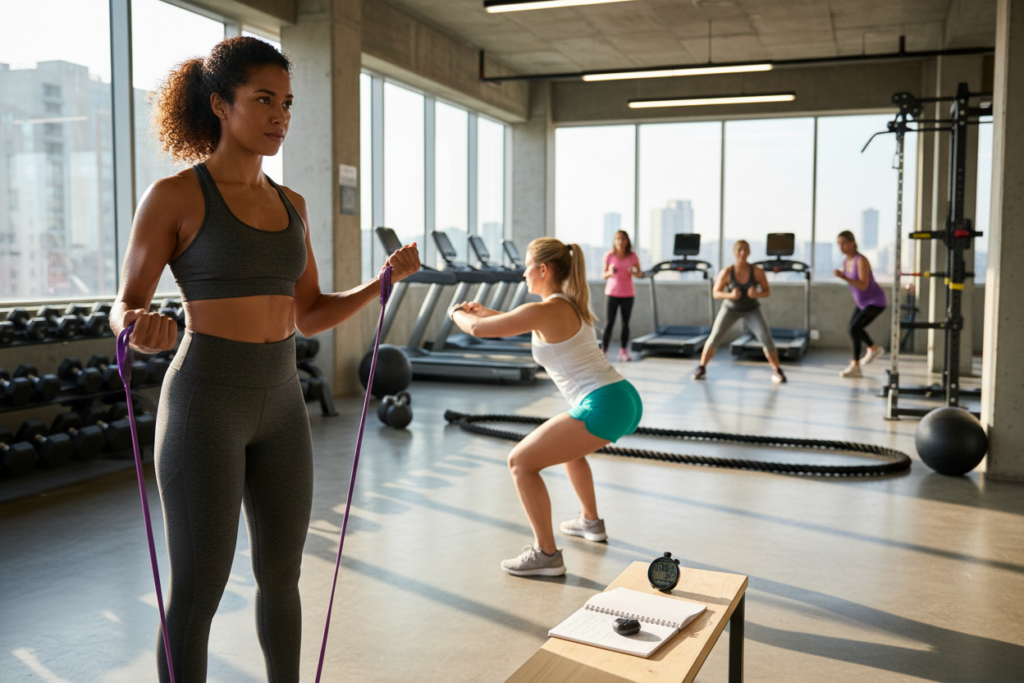
The “Strong in 30” approach is built for you. It prioritizes health without sacrificing professional success or risking burnout. You’re building resilience, not adding stress to your day.
Adapt this routine to three weekly workouts. Consistency on packed days is non-negotiable. Focus on the quality of each movement.
Your body receives the stimulus needed to build and maintain muscle mass. This method burns calories efficiently and boosts your metabolism.
Remember, your physique is capable of incredible things. Provide it with the right strength training and consistent effort. Be realistic about your time, but never compromise on intensity.
That drive fuels real physical results and lasting fitness. It helps torch calories while increasing mass and true strength. For deeper insights on building lean muscle, explore these smart training and diet tips. They complement any efficient routine.
Conclusion
You’ve just unlocked a blueprint for transforming your physique and energy levels, starting now. This plan hands you the tools for real change—a focused, efficient approach that respects your limits.
Your commitment to this strength-focused routine builds more than muscle. It forges resilience that fuels every part of your life. Consistency is your secret weapon, turning limited time into lasting progress.
Remember, a powerful body isn’t born from marathon sessions. It’s crafted through smart, repeated effort. Your form and focus are what make every rep count.
Start today. Embrace the confidence that comes from prioritizing your long-term fitness. Your stronger, more capable self is waiting.
FAQ
Can I really build muscle with just 30 minutes?
Absolutely. Here’s the truth: quality trumps quantity. A focused half-hour session built around compound movements like squats and presses hits multiple muscle groups at once, creating maximum metabolic demand and stimulating growth. It’s about smart, intense effort, not marathon gym sessions. Your body responds to the challenge, not the clock.
What if I don’t have dumbbells at home?
No problem—you can start with what you have. A heavy backpack, gallon water jugs, or even resistance bands work for many exercises. The goal is to add external load to challenge your muscles. Begin there, and invest in a single set of adjustable weights when you can. Your fitness journey is about resourcefulness.
How do I balance strength training with cardio for fat loss?
Your strength training routine is your metabolic powerhouse—it builds muscle mass that burns calories around the clock. For a busy schedule, add short, intense bursts like a treadmill sprint finisher at the end of your session. This combo elevates your heart rate and creates an “afterburn” effect, making your limited time incredibly efficient.
I’m a beginner. Is this circuit too advanced?
Every expert was once a beginner. The key is scaling. Use lighter weights, focus purely on nailing your form, and take longer rest intervals between sets. The movements are fundamental for a reason—they teach your body how to move safely under load. Start where you are, not where you think you should be.
How often should I do this type of workout each week?
For solid results, aim for 2-3 sessions per week, with a day of rest or active recovery in between. This frequency allows your muscles to repair and grow stronger. Consistency in your training beats sporadic marathon workouts every single time. It’s about sustainable habit, not heroics.
Can I do this routine if I have lower back or shoulder issues?
Always consult a healthcare pro first. With clearance, you can adapt. For sensitive shoulders, choose exercises with neutral grips. For the back, prioritize bracing your core and mastering hip-hinge patterns like the deadbug before loading them. Listen to your body—pain is a signal, not a challenge to overcome.
What’s the biggest mistake people make with short workouts?
Rushing without intent. The mistake isn’t the duration—it’s half-hearted effort. You must bring focus and intensity to every rep. Control the movement, feel the target muscle working, and minimize distraction. Those 30 minutes are your sacred time; protect their quality like your health depends on it (because it does).
Related: A Simple 30-Minute Full-Body Strength Plan