How to Breathe During Deadlifts for Stability and Power

 0
0
 0
0 You’ve dialed in your form and pushed for more weight, but that next personal record still feels just out of reach. What’s the secret you might be missing? It’s not in your muscles alone—it’s in the air you take before you pull.
Mastering your breath is the foundational skill that separates good lifts from truly great ones. This isn’t just about oxygen; it’s about creating a rock-solid, stable core. That internal pressure acts like a natural weightlifting belt, protecting your spine and letting you generate insane force safely.
The principles are the same whether you’re pulling 135 or 500 pounds. Getting this right now safeguards your lifting career for years. Proper technique directly fuels your stability, skyrockets power output, and is your best defense against injury. It’s the key to hitting new PRs consistently.
This isn’t about adding complexity. It’s about unlocking strength you already have but can’t access because you’re not breathing correctly. Let’s fix that.
Key Takeaways
- Your breathing pattern is a critical, often overlooked component of a successful deadlift.
- Correct breath work creates intra-abdominal pressure, which stabilizes your core and protects your spine.
- This technique is essential for maximizing force production and power during the lift.
- Learning to breathe properly is a fundamental skill for lifters at every level, from beginner to advanced.
- Implementing these strategies can lead to immediate improvements in performance and safety.
- A strong, stable core built through proper breathing is your best defense against potential injury.
- Mastering this one skill can help you consistently break through to new personal records.
Understanding the Science Behind Breathing and Deadlifts
Think of your core as a sealed container; the air you take in pressurizes it, creating a rigid column for your entire body. This isn’t just about oxygen delivery. It’s a mechanical game-changer for heavy pulls.
Physiological Impact of Controlled Breathing
Controlled breathing does far more than fuel muscles. It fundamentally alters your core’s mechanical stability. A deep diaphragmatic breath activates deep core muscles, preventing spinal flexion under load.
This keeps force transfer efficient and injury risk low. Shallow chest breathing leads to early fatigue and poor mechanics.
Role of Intra-Abdominal Pressure in Lifting
Intra-abdominal pressure acts as an internal weightlifting belt. When you breathe into your belly and brace, you create a solid foundation for the lift. Your diaphragm powers this system, increasing torso rigidity.
That pressure supports spinal alignment. It’s what lets you handle weights that would otherwise crush you. Understanding this science is the difference between a protected spine and a vulnerable one.
Mastering How to Breathe During Deadlifts for Optimal Performance
Unlocking next-level stability starts with understanding the gold-standard breathing method used by strength athletes worldwide. This isn’t about just taking air in; it’s about strategic pressurization.
Utilizing the Valsalva Maneuver Effectively
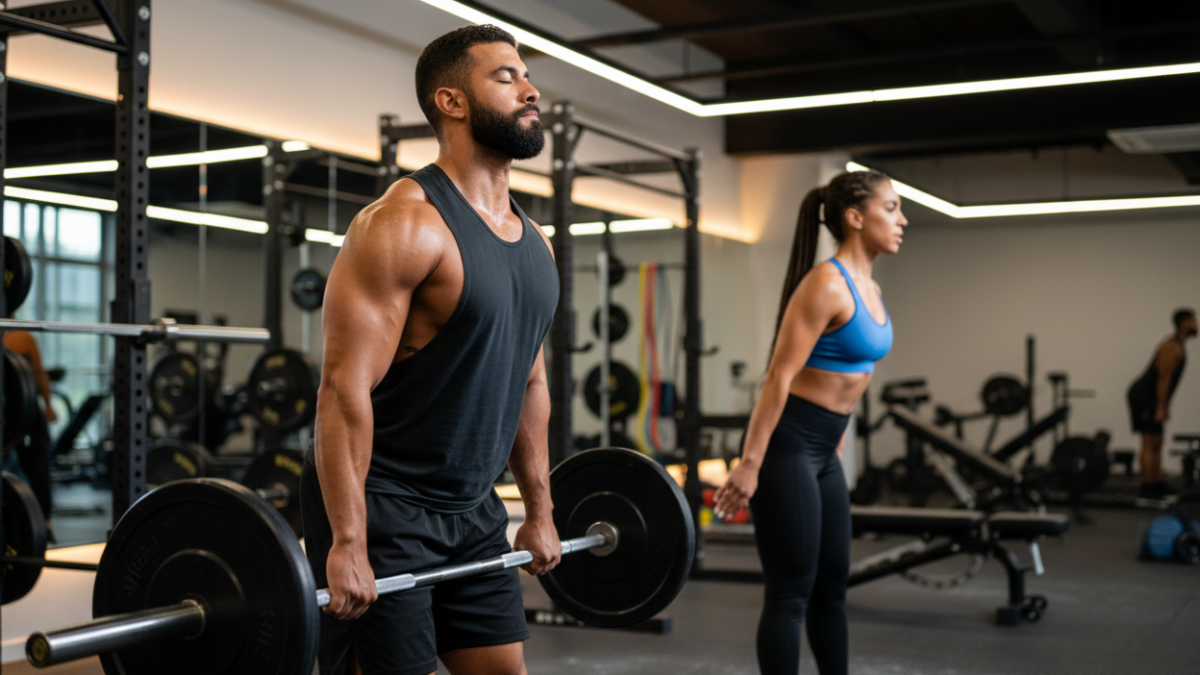
The Valsalva maneuver is the non-negotiable technique for maximal pulls. Here’s the exact process. Stand at the bar. Take a massive breath into your belly—your stomach should expand.
Brace your entire core with 360-degree tension, like pushing out against a belt. Hold that breath throughout the entire pull. Exhale only at the top or after clearing the hardest point.
This optimal breathing technique for heavy lifts creates the rigid core you need. A critical safety note: if you have high blood pressure, consult a professional before using this maneuver.
Timing Your Breath for Maximum Stability
Your timing is everything. Establish full intra-abdominal pressure before the bar moves. Taking your breath mid-pull is too late.
The most common error is exhaling early during the ascent. This collapses stability instantly. For singles, use one breath per rep. For sets of 2-3, reset your breath and brace at the top.
Holding your breath through the concentric phase is essential for power. Master this timing, and your lifts will feel radically more secure.
Techniques to Enhance Core Stability and Prevent Injury
Your core’s true strength isn’t about flexing your abs—it’s about mastering the neutral position that lets your entire torso work as one. This is your primary shield against injury.

Stability comes from balance, not force. A protected spine relies on correct bracing, not just effort.
Proper Core Bracing Strategies
Forget arching your back or rounding forward. The goal is a neutral spine—the balanced middle where your front and back muscles cooperate.
True bracing creates 360-degree pressure. You should feel expansion in your belly, sides, and lower back simultaneously.
Many people have surprisingly weak abs. They can’t generate this pressure, so they cheat by lifting their shoulders. This ruins posture and power.
Test yourself. Place your hands on your stomach and lower ribs. Take a deep breath. Your belly should push your hands out. If your chest rises, you’re leaving stability on the table.
Avoiding Common Breathing Mistakes
Timing is critical. Taking your breath after you start pulling is too late. You must be fully braced before the bar moves.
Shallow breathing into your chest fails to pressurize your core. Exhaling during the ascent collapses that stability instantly.
These errors aren’t just about failed lifts. They directly cause rounded backs, unstable hips, and herniated discs. The risk is real but preventable.
Proper technique does raise blood pressure briefly. For healthy individuals, this is normal. The real danger is chronic poor form leading to acute injury.
Learning to brace correctly might feel awkward at first. You’re engaging muscles that have been asleep. This temporary dip is the price of building a sustainable, powerful practice for all your programming complex compound lifts.
Exploring Alternative Breathing Patterns in Strength Training
Strength training isn’t a one-breath-fits-all endeavor. Different lifts and intensities demand different respiratory approaches. While the Valsalva maneuver rules for maximal pulls, your entire program benefits from strategic variety.
Nasal vs. Mouth Breathing in Lifts
Nasal breathing filters, warms, and humidifies incoming air. This improves oxygen efficiency and enhances diaphragmatic activation. Use it for warm-ups and submaximal technique work to build superior breath control.
Mouth breathing allows for rapid, large-volume intake. It’s your go-to for maximal effort singles or grueling high-rep sets. You need that speed when training intensity demands quick recovery between reps.
Adapting Your Breath to Different Workloads
Your strategy must adapt. Heavy squats and deadlifts demand strict breath-holding through the rep. The bench press, with reduced spinal load, allows more flexibility in timing.
Rep ranges dictate your pattern. Singles use one full breath. Sets of 3-5 use quick breaths at the top. For sets of 8+, you may strategically sacrifice a little stability to keep moving.
Experiment with these patterns on lighter training days. Find what works for your body. When heavy weights are on the bar, your breathing will be automatic and reliable.
Integrating Breath Control into Warm-Ups and Training Sessions
Don’t save your best breath for the bar—practice it from the moment you step into the gym. Your warm-up is where you build the skill that makes heavy weights feel manageable.
Most people never practice breathing as a separate drill. They just lift. Dedicating five to ten minutes per session to breath work pays massive dividends in stability and confidence.
Breathing Exercises to Build a Stronger Core
Start with diaphragmatic breathing. Lie on your back with a light book on your stomach. Breathe deeply so the object rises and falls. This teaches true core engagement.
Next, try box breathing: inhale for four seconds, hold for four, exhale for four, hold for four. It improves oxygen efficiency and calms pre-lift nerves.
Practice breath-hold training. Take a maximal brace breath and hold it with tension. This builds your ability to sustain intra-abdominal pressure through grindier reps.
Incorporate these drills into every warm-up. Begin with five minutes of controlled nasal breathing. Then, move to breath-bracing practice with bodyweight movements like air squats.
This approach reduces stress and regulates heart rate. Elite athletes use it to stay composed under heavy loads. The focus you develop translates directly to the platform.
Integrating breath control isn’t adding time to your training. It’s ensuring your lifting is productive and safe. This foundational technique supports all your deadlift variations and daily life activities.
Breathe Your Way to Stronger, Safer Deadlifts
To lift heavier and safer for years, you must master the art of bracing with your breath. This skill is not a minor detail. It is the foundation that determines whether you access your true strength or leave pounds on the platform.
Correct breathing creates intra-abdominal pressure and core stability. This protects your spine and allows maximum force production. It separates lifelong progress from injury.
Initially, this focus may feel awkward. You are engaging undertrained muscles. Start with drills in your next warm-up. Practice the Valsalva with submaximal weight. Integrate proper bracing into every set.
This is about consistent practice, not perfection. Pay attention to your body. Make incremental improvements each session. Strength training builds a resilient, capable you for life. Master your breath, master your deadlift. Your numbers will climb while your risk drops. That’s the path to real, lasting power.
FAQ
Why is holding my breath so important for a heavy lift?
It’s not just holding air—it’s creating intra-abdominal pressure. This pressurized column supports your entire spine, protecting it from the immense load. Think of it as a built-in weightlifting belt made by your own muscles. The Valsalva maneuver is the key technique for building this essential stability.
When exactly should I exhale during the deadlift?
Exhale only after you’ve cleared the toughest part of the movement—the “sticking point.” For most athletes, this is just after the bar passes your knees on the way up. Releasing the breath at the top keeps your core braced for the entire effort and prevents a sudden drop in stability. Never exhale at the bottom or during the initial pull.
Can this breathing technique increase my blood pressure dangerously?
The temporary spike in blood pressure from proper bracing is normal and generally safe for healthy individuals. The real risk comes from *not* bracing, which can lead to spinal injury. However, if you have a pre-existing cardiovascular condition, consult your doctor before heavy strength training.
How is breathing for a deadlift different from a squat or bench press?
The principle of bracing is the same, but the timing differs. In a squat, you often take your breath at the top before descending. For a bench press, you inhale as you lower the bar to your chest. The deadlift is unique because you set your position and brace before initiating the pull from a static start. Mastering each pattern is crucial for total-body power.
What’s the most common mistake people make with their breathing?
The biggest error is exhaling too soon, which instantly deflates your core’s supportive pressure. Another major flaw is shallow breathing into the chest instead of deep into the belly, which fails to engage the diaphragm and obliques fully. This robs you of strength and compromises your spine.