Breathe and Brace for Stronger, Steadier Deadlifts

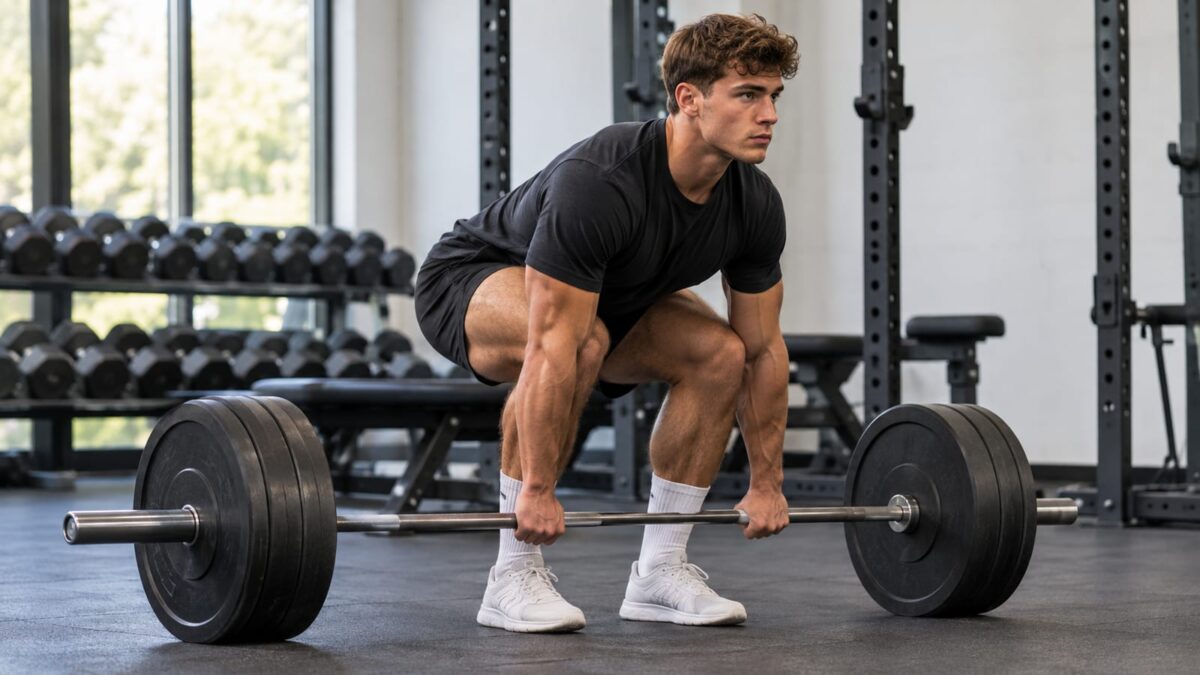
Take a full breath and brace before the bar moves. That’s how to breathe during deadlifts for stability and power: expand your belly and sides, tighten your trunk as if preparing for a punch, then hold that pressure through the pull and lockout. Exhale and reset once the bar is down, or refresh your breath at the top while staying braced. For heavy reps, skip continuous breathing and give each pull its own setup.
Last updated: 2026-11-11
Build pressure before you pull
Your breath and brace work together. Inhaling helps create pressure inside your abdomen, while tightening the muscles around your trunk helps you hold a steady position under load.
However, taking a large breath without bracing leaves the job unfinished. Your torso should feel firm all around before you push against the floor.
This gives your legs and hips a stable base to work from. It won’t rescue a poor setup or make an unsuitable weight safe, so keep your technique consistent.
How do you breathe during deadlifts for stability and power?
Use this sequence for controlled reps that start from the floor. Practice it with a manageable load before relying on it during demanding sets.
- Set your position. Place your feet, take your grip, and settle into your starting position. Keep the bar close.
- Take a full, comfortable breath. Let your belly and lower ribs expand. Avoid gulping so much air that you feel strained.
- Brace all around your waist. Tighten as if someone were about to punch your stomach. Keep that tension as you begin pulling.
- Lift while holding pressure. Push through the floor and keep the bar close. Don’t let your air rush out as the weight leaves the ground.
- Finish standing tall. Keep your trunk firm at lockout without leaning backward.
- Lower, breathe, and reset. Return the bar under control, release your breath, then rebuild your setup before the next pull.
If you need air at lockout, take it while maintaining trunk tension. Re-establish your brace before lowering the bar.
Expand around your waist
“Breathe into your belly” is a useful cue, but air still enters your lungs. Your abdomen expands because your diaphragm, the main breathing muscle beneath your lungs, moves downward.
Aim to feel expansion across your belly, sides, and lower ribs. You may also feel pressure around your lower back, though the movement won’t feel equal everywhere.
Place your hands around your waist and take a relaxed breath. Then tighten your trunk without sucking your stomach inward or lifting your shoulders.
Some chest movement is normal. The mistake is shrugging for air while leaving your abdomen loose.
Match your breathing to the rep
The timing of deadlift breathing should keep your trunk supported whenever the bar is moving. Choose a pattern you can repeat without rushing.
| Rep style | Breathing pattern | Coaching judgment |
|---|---|---|
| Single rep | Inhale and brace before pulling; release after returning the bar, or refresh at lockout | Keep the setup deliberate |
| Reps paused on the floor | Breathe and rebuild your brace between pulls | Best starting point for learning |
| Touch-and-go reps | Refresh at lockout while keeping tension, then brace before lowering | Use only if you can control the transition |
| Slow, controlled reps | Maintain support throughout; pause safely to breathe if needed | Reduce the load if you’re running out of air |
Don’t preserve touch-and-go rhythm at the cost of a stable torso. If your breathing becomes hurried, let the plates settle and start fresh.
Some lifters release a little air through clenched teeth after the hardest part of the pull. That can preserve tension, but beginners should first learn a clear inhale-brace-pull-reset sequence.
A brief breath hold has a purpose
The Valsalva maneuver means trying to breathe out against a closed airway. During lifting, it combines a held breath with muscular tension to increase pressure inside your trunk.
That pressure helps stiffen your torso during a demanding pull. However, a deliberate hold for a rep is different from keeping your breath trapped through an entire set.
Breath-holding under strain can also raise blood pressure sharply. If you have high blood pressure, a heart condition, or medical advice to avoid straining, get guidance before using it.
Bracing supports your lifting technique. It doesn’t guarantee protection from injury or justify grinding through a rep you can’t control.
Reset before fatigue chooses your position
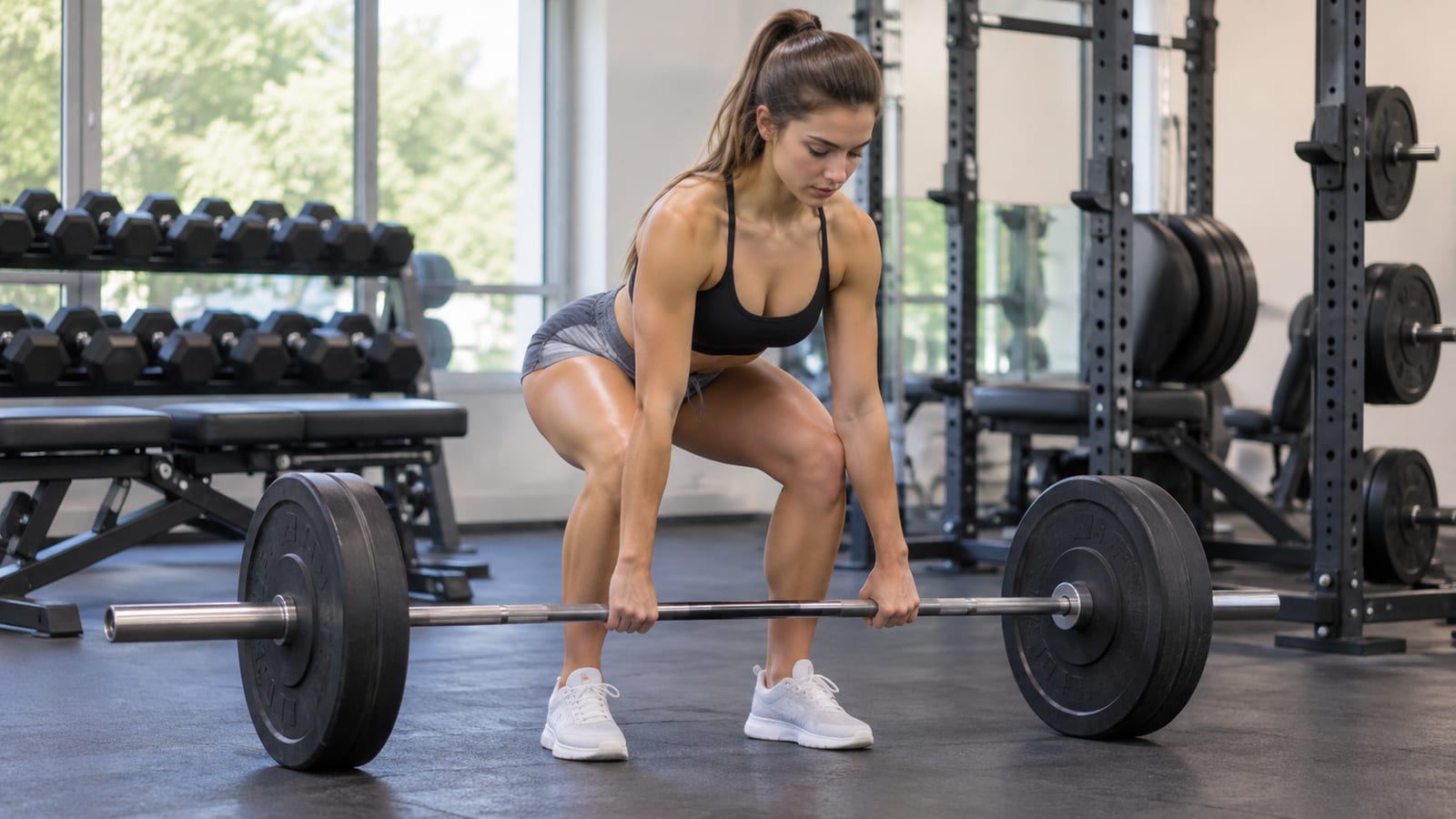
Once the bar reaches the floor, let the plates settle. Release your breath, check your position, then inhale and brace again.
You can keep your hands on the bar if the setup remains comfortable. However, stand up between reps if you need more time to recover your breathing.
Watch for hips creeping upward or your back position changing as the set continues. If that happens, review your hip hinge technique before adding weight.
A rushed breath often follows a rushed setup. Give yourself enough time to make the next rep look like the last good one.
Adjust the effort to the load
Light practice doesn’t require the same forceful breath hold as a heavy pull. Keep your trunk engaged and use comfortable breathing rather than creating unnecessary strain.
For challenging working sets, take a deliberate breath and brace before each rep. Hold pressure while pulling, then reset where you can do so without losing control.
Near-maximal attempts demand more effort, but they shouldn’t introduce a new breathing ritual. Use the pattern you’ve already practiced.
If the rep lasts so long that you become distressed or lightheaded, the load has exceeded what you can manage cleanly. End the set and reassess.
Fix the mistakes that weaken your brace
Most deadlift breathing problems come from poor timing or trying to keep moving after control has slipped.
- Exhaling as the bar leaves the floor. Build pressure before pulling and keep it through the demanding part.
- Taking a shallow breath with shrugged shoulders. Reset and let your lower ribs and abdomen expand.
- Holding air without tightening your trunk. Add muscular tension around your waist before starting.
- Taking a huge breath before finding your position. Set your back first, then breathe and brace.
- Rushing the next rep. Pause until you can rebuild both your breath and your setup.
- Ignoring dizziness or discomfort. Put the bar down safely and stop the set.
If your back position keeps changing despite a deliberate setup, reduce the load. Then work through the checks for lower-back rounding when lifting.
Seek medical advice for repeated dizziness. Chest pain, fainting, or severe shortness of breath needs urgent assessment.
Practice the pattern during warm-ups
Start standing with your hands around your lower ribs. Inhale comfortably, feel your waist expand, and then tighten your trunk without changing your posture.
Next, practice the same sequence during an unloaded hip hinge. Keep the brace while your hips move backward, then stand and release.
Finally, apply it to light deadlifts. Pause between reps so you can check whether your brace was ready before the bar moved.
You don’t need long breath-holding drills or a separate breathing routine. The useful test is whether you can repeat the pattern under a manageable load.
Keep the rule simple
For stable, powerful deadlifts, breathe before the effort, brace before movement, and reset before the next rep. Keep that order as the weight increases.
Good breathing helps you hold position. Progress still depends on productive sets, enough recovery, and loads you can control.
If your brace breaks down as you add weight or reps, hold the load steady. Earn the next increase with repeatable technique.
FAQ
Should an older man breathe through his nose or mouth when lifting light plastic weights?
Either is fine if breathing feels comfortable. For light resistance exercise, an older beginner can inhale during the easier phase and exhale during the effort without deliberately straining or holding air.
The weight’s material doesn’t determine the breathing method. The effort involved and any medical restrictions matter more.
Does breathing out help when lifting heavy objects outside the gym?
A controlled exhale can help you keep breathing while maintaining abdominal tension during manageable tasks. However, an awkward object may be too demanding to lift safely regardless of your breathing.
Bring it close, clear your route, and get help if you can’t control it. Don’t use a forceful breath hold to attempt something beyond your ability.
Does a lifting belt replace the need to brace?
No. A belt gives your abdominal muscles something to press against, but you still need to create and maintain tension.
Learn to brace without depending on the belt. Then use the same skill when wearing it.
What if I can’t take a comfortable breath in the deadlift setup?
Stand up and check whether you’re folding too tightly or pulling yourself into a strained position. A smaller, comfortable breath may work better than forcing the largest possible inhale.
If breathing difficulty persists with light loads or outside training, get medical advice. Don’t treat unexplained breathlessness as a technique problem.
Related on this blog