
How to Hip Hinge Without Turning It Into a Squat

 0
0
 0
0 A perfect hinge is a controlled hip fold, not a squat with a different name. To learn how to perform the perfect hinge pattern in lifts, brace your trunk, push your hips back, keep your spine neutral, and hold the load close. Stand by driving your hips forward, then stop tall without leaning back. Learn the motion unloaded, check it with a dowel, and add resistance only when every rep looks the same.
Last updated: 2026-08-12
What is the hip hinge pattern?
The hip hinge bends your body mainly at the hips. Your trunk stays braced while your knees bend only as much as the lift requires.
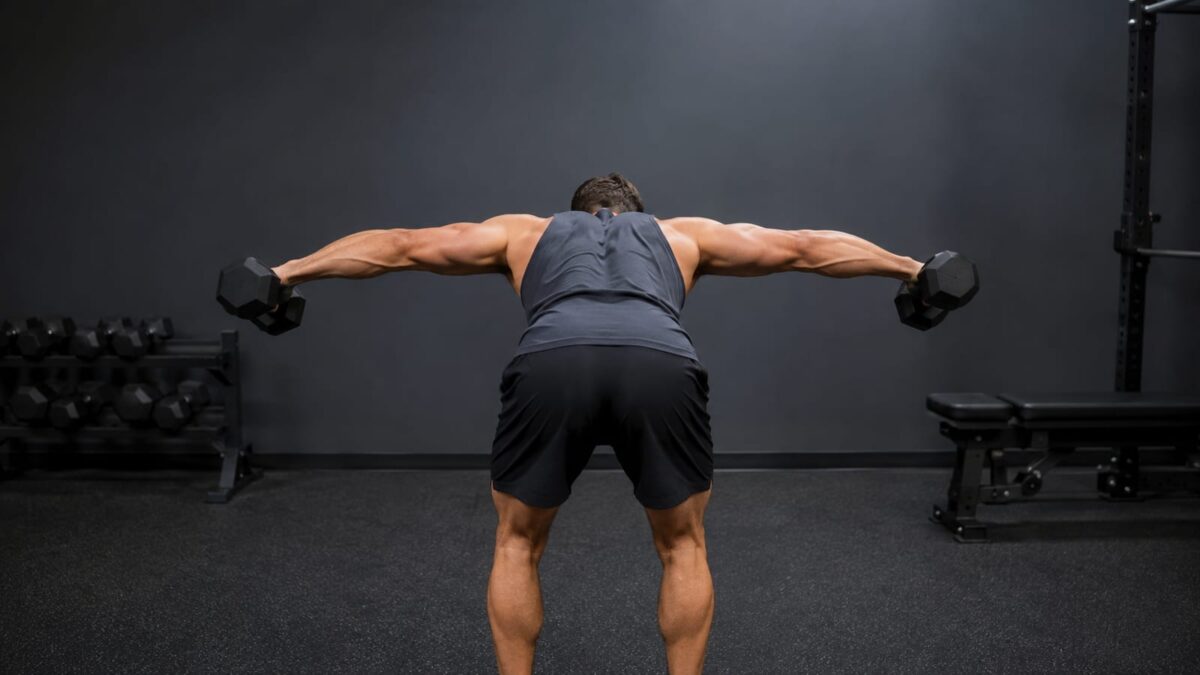
As your hips travel back, your torso tips forward as one controlled unit. You should feel tension build through your hamstrings while your feet remain planted.
The hinge matters because it lets your hips produce force without asking your lower back to create the movement. That makes it the base pattern for Romanian deadlifts, conventional deadlifts, kettlebell swings, and cable pull-throughs.
How does a hip hinge differ from a squat?
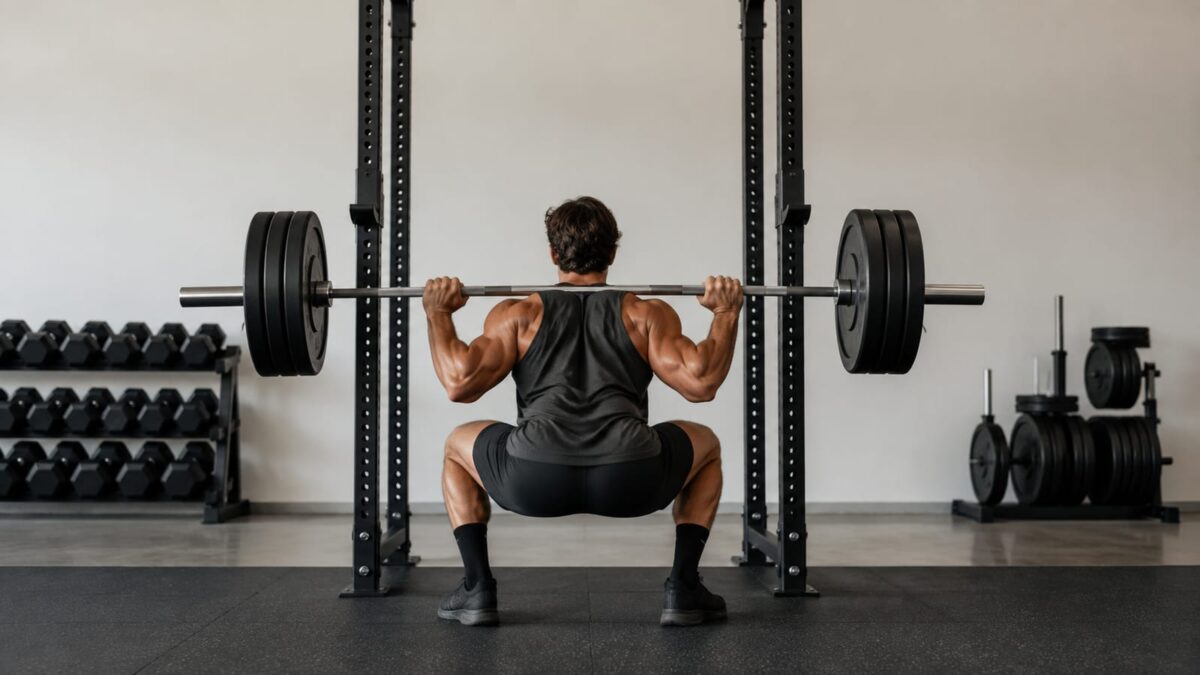
A hinge sends your hips backward. A squat lowers your hips between your legs while your knees travel farther forward.
Both movements use your hips and knees. However, the balance between them changes.
| Movement | Main action | Shin position | Torso position | Main muscle emphasis |
|---|---|---|---|---|
| Hip hinge | Hips move back | Relatively vertical | Tips forward with a braced spine | Hamstrings, glutes, and back extensors |
| Squat | Hips move down between the legs | Knees travel farther forward | Usually more upright | Quadriceps and glutes |
Do not force perfectly vertical shins during every hinge. Your build, stance, and chosen lift affect how much your knees move.
Still, the hips must lead. If your knees keep moving forward and your hips drop straight down, you have turned the hinge into a squat.
Which muscles should you feel during a hinge?
Your hamstrings and glutes should do most of the moving work. The spinal erectors, which run along your back, hold your trunk steady while your abdominal muscles brace the front and sides.
During the lowering phase, expect a firm stretch through the hamstrings. As you stand, your glutes should finish the hip extension.
Your lower back will work because it must resist movement. However, it should not feel like the only area doing the lift. If the hamstring tension vanishes while your lower back rounds, shorten the range and reset.
How should you set your spine before hinging?

Set your ribs over your pelvis and brace around your whole trunk. Think about making your middle firm enough to resist someone pushing into it.
Neutral does not mean flattening every natural curve in your spine. It means holding a strong position without adding more rounding or arching as the load moves.
Use this setup before each set:
- Keep your head in line with your torso.
- Bring your ribs down without slumping.
- Hold your pelvis in a comfortable middle position.
- Brace your abdomen, sides, and lower back together.
- Keep that shape as your hips travel behind you.
Skip the exaggerated “chest up” cue if it makes you flare your ribs and arch hard. A proud chest may look tidy from across the gym while your lower back takes the bill.
How can you perform a hinge without weights?
Use a wall-reach drill before loading the pattern. It teaches you to move your hips backward without dropping into a squat.
- Stand facing away from a wall with your feet in a comfortable lifting stance.
- Soften your knees and brace your trunk.
- Push your hips back until they touch the wall.
- Keep your whole foot planted as your torso tips forward.
- Pause when your hips reach the wall without your back changing shape.
- Drive your hips forward and finish standing tall.
Move slightly farther from the wall once you can reach it without rocking onto your heels. However, do not turn distance into a contest. The drill has done its job when you can fold at the hips with repeatable technique.
For a more detailed progression, use this beginner hip hinge drill.
How can a dowel test your hinge technique?
A dowel gives you immediate feedback that a mirror often misses. Place it along your spine so it touches the back of your head, your upper back, and your sacrum at the base of your spine.
Hold one hand behind your neck and the other behind your lower back. Then perform a slow unloaded hinge while keeping all contact points in place.
Use the dowel this way:
- Set your ribs and pelvis before moving.
- Push your hips back while keeping the dowel steady.
- Stop if your head, upper back, or sacrum loses contact.
- Return by driving your hips forward.
- Finish tall without forcing your hips past your ribs.
Losing contact does not tell you everything, but it shows where control changed. Reset, reduce the depth, and make the next rep cleaner.
How can you tell if your lower back is rounding?
Lower-back rounding often appears near the bottom, after your hips have stopped moving. Your body keeps chasing depth by bending through the spine.
Watch for these signs:
- Your sacrum pulls away from the dowel.
- Your pelvis tucks underneath at the bottom.
- Hamstring tension suddenly disappears.
- The weight drifts farther from your legs.
- Your lower back changes shape between the top and bottom.
- Your hips stop travelling back while your shoulders keep dropping.
Film the lift from the side if you cannot feel the change. Keep the camera level with your torso rather than placing it on the floor at an extreme angle.
If you see the fault, shorten the range before changing exercises. This guide to stopping lower-back rounding while lifting gives you more corrective options.
How can you avoid excessive back extension at lockout?
Finish the hinge by standing tall with your glutes contracted and your ribs stacked over your pelvis. The rep ends when your hips and knees are straight.
Do not throw your shoulders behind your heels or shove your hips far past your feet. That motion does not add useful hip extension. It usually adds lower-back extension after the lift is already complete.
Use a quieter lockout. Drive your hips forward, squeeze your glutes, and stop when you are upright. If you need to lean back to prove the rep is finished, you went too far.
How do you perform the perfect hinge pattern in a loaded lift?

Keep the setup simple and repeat it before every rep. A loaded hinge should look like the unloaded drill with resistance in your hands.
- Plant your whole foot and hold the load securely.
- Set your ribs over your pelvis and brace your trunk.
- Soften your knees without dropping your hips straight down.
- Push your hips back and keep the load close to your body.
- Stop at the deepest position you can control without changing your spinal position.
- Push the floor away and drive your hips forward.
- Stand tall with your glutes finished and your ribs stacked.
- Lower the load by sending your hips back again.
For a deadlift from the floor, the plates decide where the lift starts. So bend your knees enough to reach the bar while keeping your brace.
For a Romanian deadlift, the range is not set by the floor. Lower only while your spine remains neutral and your hamstrings maintain useful tension. Stop before your pelvis tucks or your lower back begins supplying extra motion.
How should you choose range of motion and load?
Use the longest range you can control, not the deepest position you can survive. Your hamstring length, hip structure, and chosen exercise all affect where the hinge should stop.
The Romanian deadlift should keep the spine neutral throughout the hinge. Therefore, do not keep lowering until a neutral spine cannot be maintained. End the rep just before that point.
Start with a load that lets you pause, reverse the movement, and keep the weight close. Then add weight or reps only after your technique stays consistent across the set.
Good reps before more weight. If added resistance shortens your hinge, pulls the load away, or changes your spinal position, you have not earned the next increase.
How can you practice the hinge without exhausting recovery?
Practice the unloaded pattern during your warm-up. A few controlled wall or dowel reps can sharpen the movement without turning technique work into another workout.
For loaded training, use moderate sets and leave a few good reps in reserve. The goal is to make every set serve a purpose, not to grind until your brace disappears.
Choose stable variations first. Romanian deadlifts, cable pull-throughs, and controlled deadlifts give you time to feel the hip fold. Kettlebell swings move quickly, so they are a poor place to learn a hinge you cannot yet control slowly.
Once the pattern is repeatable, choose from these deadlift variations for muscle building. Keep the version that fits your mobility, equipment, and recovery.
Which hinge mistakes should you correct first?
Fix faults in the order that most affects control. More cues will not rescue a setup that is wrong before the weight moves.
- Lower-back rounding: Shorten the range and rebuild your brace.
- Squatting the hinge: Push your hips farther back and limit unnecessary knee travel.
- Letting the load drift: Keep it close to your legs throughout the rep.
- Overextending at lockout: Finish upright instead of leaning behind your feet.
- Losing foot pressure: Keep your heel, big toe, and little toe planted.
- Moving the head separately: Let your head follow your torso rather than looking straight ahead throughout.
Correct the first clear fault before adding advanced exercises or faster reps. Learning how to perform the perfect hinge is simple on paper, but it demands honest feedback and controlled practice.
FAQ
Should I feel a hip hinge in my lower back?
Some muscular effort in your lower back is normal because those muscles hold your trunk steady. Sharp pain, a pinching sensation, or fatigue that overwhelms your hamstrings and glutes is not a cue to keep pushing. Reduce the load and range, then check your brace and bar path.
What if tight hamstrings limit my hinge?
Stop where you can keep your pelvis and spine controlled. Repeated clean hinges can improve your tolerance in that range, while forcing extra depth usually shifts movement into your lower back. You can also use a slightly greater knee bend if it helps you maintain position.
Can I learn the hinge with a kettlebell swing?
Learn it slowly first. A swing adds speed, timing, and momentum, which can hide poor control. Build a dependable unloaded hinge and a controlled loaded variation before using explosive reps.
Do I need lifting shoes for hinge exercises?
No special shoe teaches the pattern for you. Use stable footwear that lets you feel the floor and maintain even foot pressure. Soft, heavily cushioned shoes can make balance less predictable during heavier hinges.
Should I use a lifting belt while learning?
A belt can give your abdominal muscles something to brace against, but it does not correct the movement. Learn how to perform the perfect hinge without relying on equipment, then use a belt if it helps you create a stronger brace during demanding loaded sets.