Best Bedtime Foods for Muscle Recovery and Growth

 0
0
 0
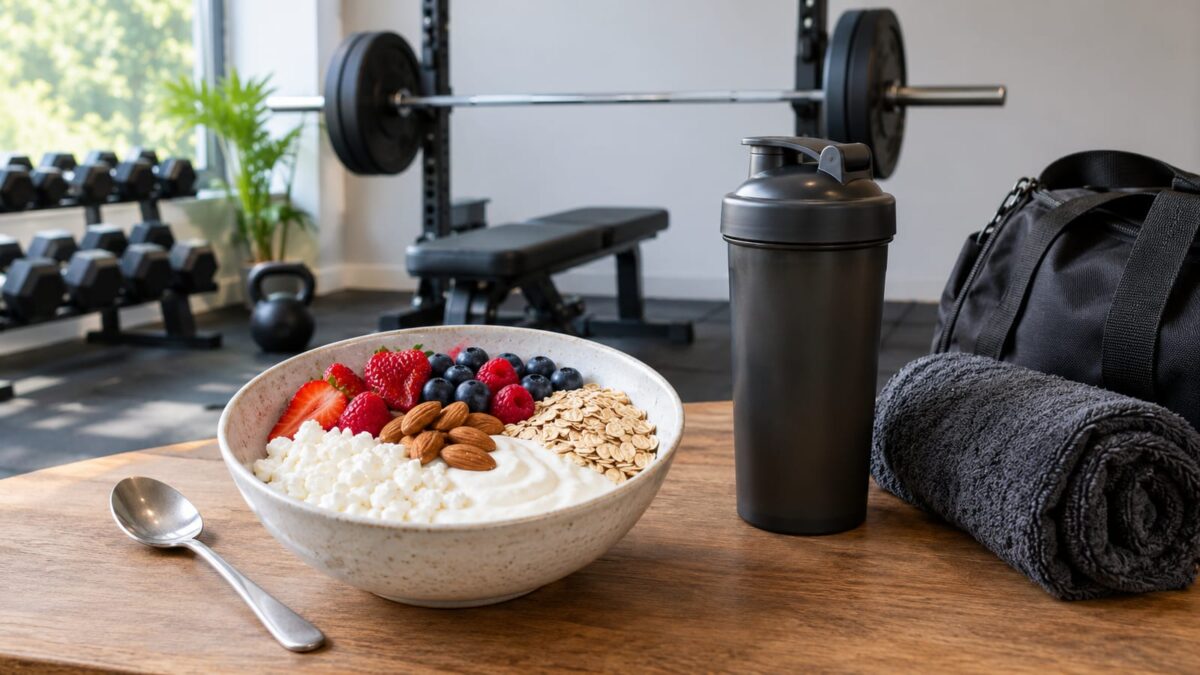
0 Among bedtime foods for muscle recovery, cottage cheese or plain Greek yogurt with a modest serving of oats, fruit, or cereal is the most practical choice for most natural lifters. You get high-quality protein, useful calories, and a meal that is easy to repeat. Total daily calories and protein still matter more than any special nighttime ingredient.
Last updated: 2026-10-09
Which bedtime food should you choose?
Choose the option that helps you reach your daily protein and calorie targets without disturbing sleep. Casein-rich dairy leads the list because it digests steadily and gives you a simple way to eat protein before the overnight fast.
| Food or meal | Best use | Strengths | Catch |
|---|---|---|---|
| Cottage cheese | Best overall and best budget | High in casein, protein-dense, inexpensive, easy to portion | Texture and lactose can bother some people |
| Plain Greek yogurt | Best versatile option | Slow-digesting dairy protein pairs well with fruit, oats, or cereal | Some servings are too small to finish the job alone |
| Milk | Best drinkable option | Complete protein, carbohydrates, and easy preparation | Less protein per serving than a solid protein meal |
| Eggs with whole-grain toast | Best larger night meal | Complete protein, useful fats, and carbohydrates | Higher fat may sit heavily before bed |
| Soy yogurt or soy milk | Best dairy-free option | Complete, high-quality plant protein | Check the label because protein content varies |
| Whey with oats or milk | Best convenience option | Fast, easy, and useful when appetite is low | It may not keep you full through the night |
1. Cottage cheese: best overall
Keep cottage cheese if you tolerate dairy and want the most practical bedtime choice. It is rich in casein, easy to portion, and usually costs less than many specialty protein snacks.
Pair it with fruit, oats, or a small amount of cereal if you need more calories or carbohydrates. Choose a lower-fat version if large meals disturb your sleep. Choose a fuller-fat version if you need more energy and digest it well.
Cottage cheese earns the top spot because it solves several problems at once. It supplies protein, works in a surplus or maintenance diet, and takes almost no preparation.
2. Plain Greek yogurt: best versatile option
Plain Greek yogurt is the better choice if you want one base that can change with your training day. Add fruit for carbohydrates, oats for a more filling meal, or cereal when you need an easy calorie increase.
One container of non-fat plain Greek yogurt at 5.3 ounces contains 15 grams of protein, 80 calories, 6 grams of carbohydrates, 0 grams of fat, and 150 milligrams of calcium. That is useful, but it may not provide enough protein by itself for your final meal.
Add another protein source or choose a larger serving if your daily intake is falling short. You can also read our guide to how much protein per meal for muscle growth for a broader way to spread protein across the day.
3. Milk: best drinkable option
Milk is the easiest pick if chewing food before bed feels like work. Whole milk provides about 150 calories per cup, 8 grams of protein, and 12 grams of carbohydrates. It also contains about 8 grams of fat per cup.
Use milk with oats, cereal, or a whey shake when you need more calories without another full plate. It works well for lifters who struggle to eat enough during a gaining phase.
Still, milk alone may be too light for a larger protein target. Add Greek yogurt, whey, or a solid meal if your last dinner was small.
4. Eggs with whole-grain toast: best larger night meal
Choose eggs and whole-grain toast when you need a real meal rather than a snack. Eggs provide complete protein, while toast adds carbohydrates that can support the next training session.
The higher fat content can slow digestion. That helps some lifters stay full, but it causes reflux or heaviness for others. Eat this meal earlier in the evening if lying down soon afterward makes you uncomfortable.
This option is worth keeping if you train early, have a large calorie target, or prefer savory food. Skip it close to bed if your sleep gets worse.
5. Soy yogurt or soy milk: best dairy-free option
Soy yogurt and soy milk are the strongest dairy-free choices in this group. Soy provides complete, high-quality protein and pairs well with rice, oats, fruit, or cereal.
Use an unsweetened version if you already meet your calorie needs. Choose a sweetened version when extra carbohydrates help you reach your daily intake.
Check the nutrition label before treating soy yogurt like Greek yogurt. Protein content varies, and some products are closer to dessert than a useful protein serving.
Why bedtime protein helps muscle repair and growth
Pre-sleep protein raises amino acid availability during the overnight fast. Research shows that it can stimulate muscle protein synthesis during overnight sleep in both younger and older adults.
That effect matters more after an evening workout. When pre-sleep protein follows exercise performed the same evening, overnight muscle protein synthesis increases further.
The useful takeaway is simple. A protein-rich bedtime meal can support the work you already did in the gym, but it cannot rescue a poor diet or a weak training plan.
Your daily protein intake remains the main target. Spread protein across the day, train with intent, and use the final meal to cover what your normal eating pattern misses.
The best foods to eat before bed for muscle growth
Build your shortlist around three categories:
- Casein-rich dairy, such as cottage cheese and Greek yogurt
- Complete proteins, such as milk, eggs, whey, and soy
- Carbohydrate foods, such as oats, fruit, rice, toast, or cereal
Cottage cheese is the best overall choice for most lifters. Greek yogurt is better if you want more variety. Milk wins for convenience, while eggs and toast suit a larger evening meal.
Whey is useful when you need speed and simplicity. One scoop of whey protein powder weighing 30 grams contains 120 calories. Mix it with milk or oats if you need more food, or use it alone when a full snack feels like too much.
Do not turn casein into a requirement. Slow digestion is useful, but the best protein food is the one you can eat consistently, digest comfortably, and fit into your daily target.
Casein-rich foods versus faster-digesting protein
Casein forms a strong base for a bedtime meal because it digests more slowly than whey. Cottage cheese and Greek yogurt are practical ways to get it from food.
Whey is faster and more convenient. That makes it useful after late training or on nights when you have no appetite. It is not automatically worse before bed.
Eggs and soy sit between the extremes in practical use. Eggs bring more fat and may digest slowly, while soy works well for people avoiding dairy.
Use this decision rule:
- Choose cottage cheese or Greek yogurt if you want fullness and steady digestion.
- Choose milk if you want a drinkable protein and carbohydrate serving.
- Choose whey if time and appetite are the limiting factors.
- Choose eggs if you need a larger savory meal.
- Choose soy if dairy causes problems or you follow a dairy-free diet.
Your stomach gets a vote. The theoretically slowest protein is a poor choice if it causes bloating and ruins your sleep.
Carbohydrates at night support glycogen and training recovery
Add carbohydrates at night when they help you train, sleep, or reach your calorie target. Oats, fruit, rice, whole-grain toast, and cereal all work.
Carbohydrates help replace glycogen used during training. They also make a small protein snack more useful for lifters who struggle to eat enough across the day.
You do not need a carbohydrate serving simply because it is nighttime. If dinner already covered your calorie and carbohydrate needs, adding more food may only make sleep worse.
Use your next workout as the test. If performance is steady and your body weight is moving as planned, your current intake may be enough. If training feels flat and daily calories are low, add a modest carbohydrate serving to your bedtime meal.
For more ideas, see our guide to healthy snacks for muscle gain between meals.
A practical bodybuilding night meal
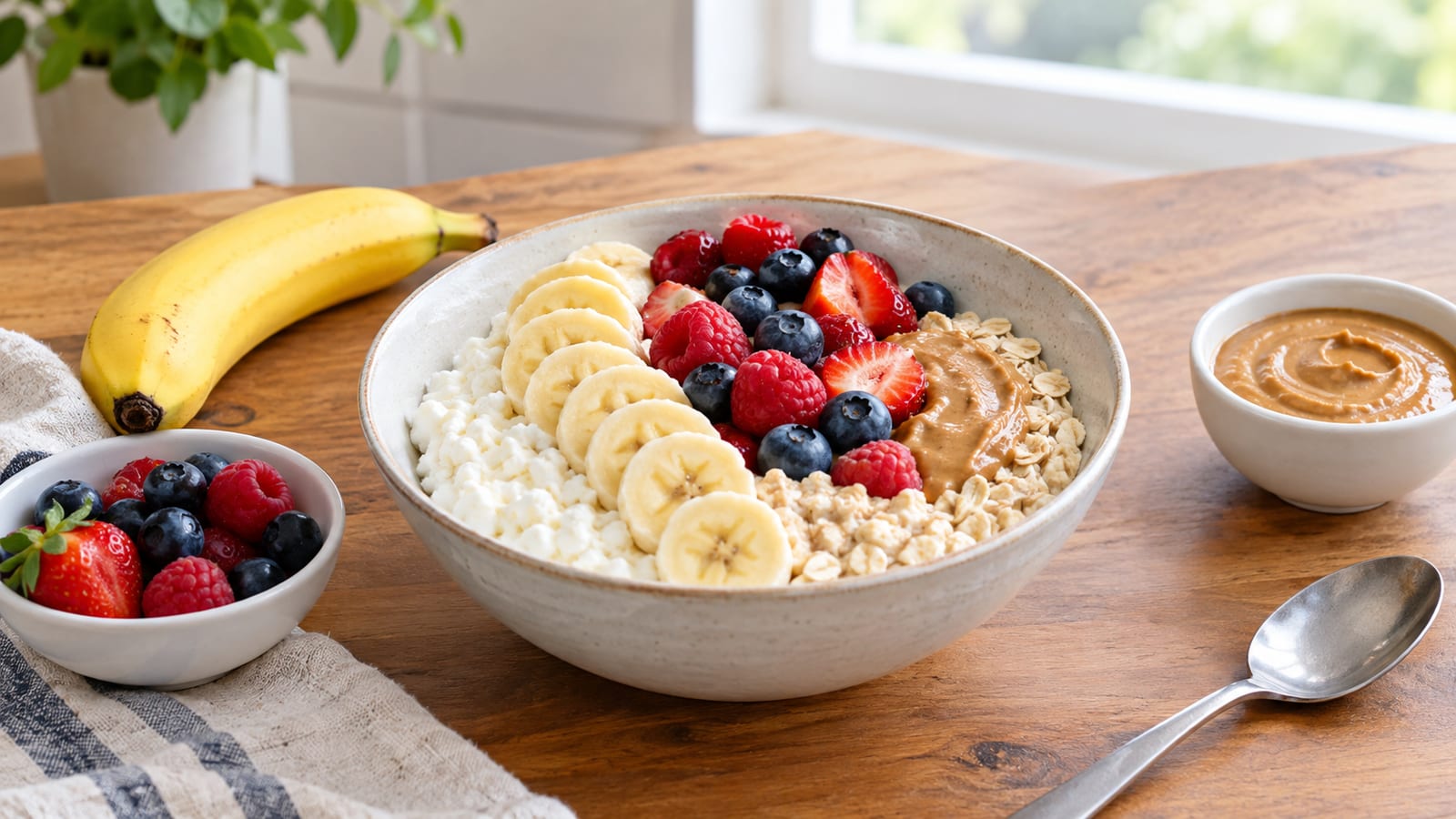
Start with cottage cheese or Greek yogurt. Add fruit or oats, then use a small amount of nut butter if you need more calories and tolerate the extra fat.
A simple version looks like this:
- Cottage cheese or plain Greek yogurt
- Fruit, oats, or cereal
- Optional nut butter for extra calories
- Water or milk if you need a drinkable addition
Adjust the meal to your day. Use more carbohydrate after a hard training session or when you are trying to gain weight. Keep it smaller when dinner was large or your stomach feels full.
This meal is simple on paper and demanding in practice because you need to repeat it. A bedtime snack that you eat consistently beats a perfect recipe you abandon after a week.
What to eat before bed to gain muscle
Eat a protein-rich snack before bed if it helps you reach a calorie surplus and your daily protein target. Add carbohydrates when training demands are high or your overall food intake is low.
A useful target is 20-40 grams of high-quality protein when you need it, in line with the general per-serving recommendation for exercising adults. Adjust that amount to your daily intake and the size of your last meal.
If you already ate a large protein-rich dinner, you may not need another full serving. If dinner was small, a bedtime meal can close the gap.
Muscle gain still comes from months of productive training, enough food, and recoverable effort. The snack supports that plan. It does not replace it.
Sleep quality, digestion, and balanced blood sugar

A bedtime meal should help you sleep. Large, greasy meals can cause discomfort, while a very sugary snack may leave you hungry again soon after eating.
Pairing protein with a moderate amount of carbohydrate usually works better than eating a huge serving of either one. Fiber can improve fullness, but too much close to bed may cause bloating.
Fat deserves the same practical treatment. A small amount can make food more satisfying, but a heavy serving may sit in your stomach and increase reflux.
Lactose tolerance matters too. If milk or cottage cheese causes symptoms, use lactose-free dairy or soy instead. There is no prize for forcing down a food that damages your sleep.
Blood sugar control is not a muscle-building trick. Choose a balanced meal because it helps appetite, digestion, and sleep. Those basics improve recovery more reliably than chasing a special nighttime effect.
For broader recovery nutrition, use these foods for muscle recovery and soreness relief.
Portions, timing, and measurable progression
Eat your bedtime protein early enough that a full stomach does not keep you awake. You can eat closer to bed if the meal is small and digestion stays calm.
Start with 20-40 grams of protein when you need a meaningful final serving. Then track the result through your logbook, body weight, appetite, sleep, and gym performance.
Change one variable at a time:
- Keep your normal dinner the same.
- Add cottage cheese, Greek yogurt, milk, or another complete protein.
- Add fruit or oats only if calories or training recovery call for them.
- Keep the meal for several weeks.
- Adjust only if sleep, digestion, body weight, or performance tells you to.
The goal is not to build the most impressive night meal. The goal is to recover and come back stronger.
The bedtime foods to skip or modify
Skip or modify any food that damages sleep, even if it contains plenty of protein.
Watch for these problems:
- Very large meals that leave you too full to sleep
- Greasy foods that trigger reflux
- High-fiber servings that cause bloating
- Sugary snacks that do not help you reach a real nutrition target
- Dairy foods that cause lactose symptoms
- Large amounts of nut butter that push calories far beyond your plan
- Protein shakes that feel heavy or keep you awake
You do not need to ban these foods forever. Move them earlier, reduce the serving, or replace them with a better-tolerated option.
The right bedtime food leaves you comfortable, supports your daily intake, and helps you train well the next day. If it fails that test, change it.
FAQ
Is cottage cheese better than Greek yogurt before bed?
Neither wins for everyone. Cottage cheese usually provides a more filling, casein-rich option, while Greek yogurt is easier to combine with fruit, oats, and cereal. Choose the one you digest and repeat without trouble.
Should you eat before bed on a rest day?
Eat before bed on a rest day if it helps you reach your daily protein or calorie target. You do not need extra food simply because muscle repair happens overnight.
Can a bedtime protein shake help you gain muscle?
Yes, a shake can help if it makes your daily protein target easier to reach. Use it for convenience, not because liquid protein has a special advantage over food.
Is it bad to eat carbohydrates before sleeping?
No. Carbohydrates before bed are useful when they support training, increase total calorie intake, or help you feel satisfied. Reduce them if the extra food disrupts digestion or pushes your calories too high.
What should you do if dairy causes stomach problems?
Try lactose-free dairy or choose soy yogurt and soy milk. If symptoms continue, use another complete protein source and judge the meal by digestion and sleep, not by its reputation.