
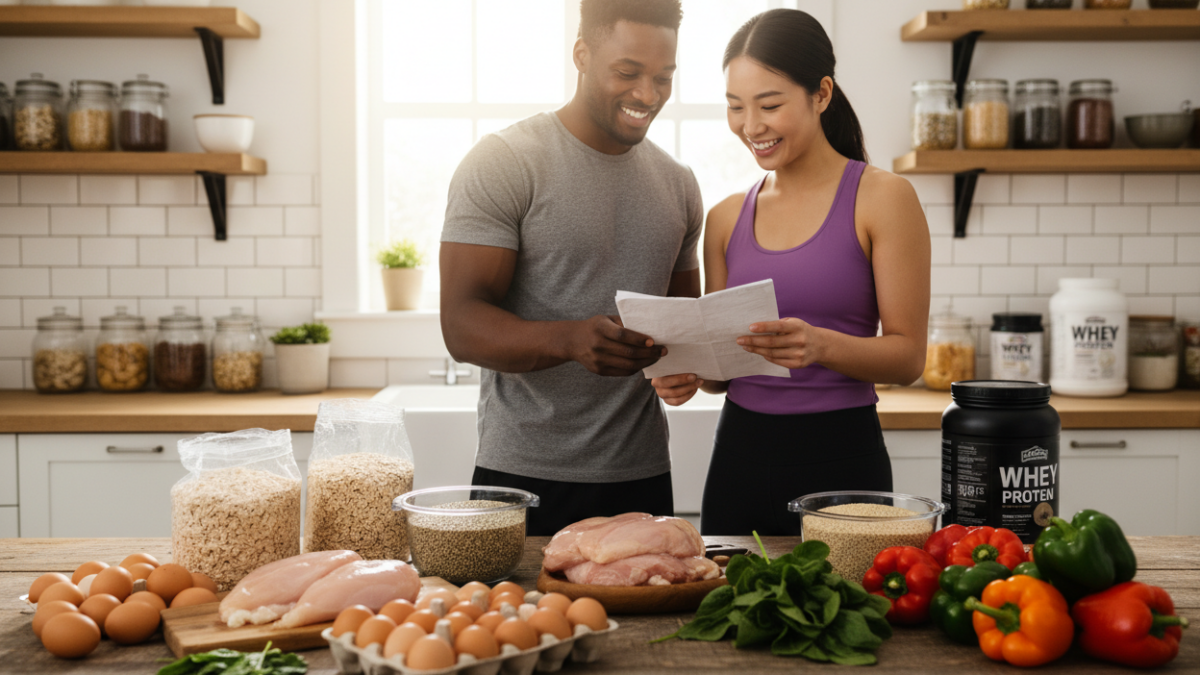
Grocery List for Muscle Gain on a Budget

 0
0
 0
0 What if you could pack on serious size without emptying your wallet on fancy supplements and exotic superfoods?
Here’s the truth. Lifting weights is only half the battle. The other half happens in your kitchen. According to Muscle & Fitness, nutrition plays an equally important part as exercise in changing your body.
But that doesn’t mean it has to be complicated or cost a fortune. This article cuts through the hype. It’s your straightforward roadmap.
We’re going to break down exactly what your body needs to build strength. You’ll learn how to shop smarter, not harder. The goal is high-quality fuel that respects your time and your bank account.
Forget confusion. Let’s build a practical plan that gets results.
Key Takeaways
- Your diet is just as critical as your workouts for building mass.
- Expensive supplements are not required for significant progress.
- Knowing your personal protein and calorie targets is the essential first step.
- Strategic shopping habits can dramatically lower your monthly food expenses.
- Whole, single-ingredient foods are the most cost-effective choice for fuel.
- Preparation turns your nutritional goals into simple, daily habits.
- This guide offers a clear, no-nonsense strategy for real-world budgets.
Creating a Meal Plan That Powers Muscle Growth
Your workouts lay the foundation, but your meal plan is what actually builds the house. Without this blueprint, progress stalls. Here’s the truth: you need a strategic plan that delivers the right fuel at the right time.
Defining Your Calorie and Macro Needs
To build effectively, your body requires a mild calorie surplus. Aim for 250-450 extra calories daily to support intense training sessions.
Understanding your macros is vital. Protein and carbs provide 4 calories per gram. Fat delivers 9 calories per gram.
Calculate your total daily energy expenditure first. This ensures consistent energy for every exercise routine.
Aligning Meal Timing with Your Workout Schedule
Sync your eating with your training. Your muscles need nutrients when they’re most receptive—around your workouts.
Stop guessing your intake. Start tracking your macros for scientifically sound support. This turns effort into visible results.
For optimal fueling, consider a seasonal produce guide to maximize nutrient timing and cost-efficiency.
Budget-Friendly Grocery Shopping: Tips & Tricks
You don’t need a fat wallet to eat like a champion; you need a sharp plan and disciplined execution.
Here’s the truth: your nutrition is an investment, not an expense. Scaling your weekly bill down to $50 is entirely possible when you shop with intention.
Setting a Realistic Grocery Budget
Start with the big picture. Establish your monthly spending limit first. Then break it down into a weekly target.
This discipline frees up cash for other priorities—think new training shoes or that savings account you’ve been neglecting.
Prioritizing your health doesn’t demand expensive organic labels. Frozen or canned vegetables deliver similar nutritional value at a fraction of the cost.
Smart shopping is a skill. It supports your fitness ambitions while guarding your bank account.
Stick to your list. Avoid aisles filled with processed temptations. Your wallet and your physique will thank you.
Crafting Your grocery list for muscle gain on a budget
Think of your shopping cart as your first workout of the week—what you put in it determines your strength for the days ahead. A deliberate plan stops impulse buys and wasted cash.
It ensures you have the right fuel ready to go. Stop guessing and start building with intention.
Protein Sources: Meat, Dairy, and Plant Options
Your body needs quality building blocks. Great protein doesn’t have to be expensive.
Focus on versatile foods like eggs, canned tuna, and plain Greek yogurt. They deliver high-quality nutrition without the premium price tag.
| Source | Type | Cost per Serving | Versatility |
|---|---|---|---|
| Chicken Thighs | Meat | Low | High |
| Large Eggs | Dairy/Poultry | Low | High |
| Canned Black Beans | Plant | Low | High |
| Ground Turkey | Meat | Medium | High |
| Plain Greek Yogurt | Dairy | Medium | High |
Budget Swaps and Affordable Alternatives
Swap expensive cuts for smarter picks. Choose chicken thighs over breasts. Use ground turkey instead of beef.
Incorporate lentils or beans to stretch meals. This simple shift slashes your total bill.
Your money fuels progress. Spend it on nutrients, not marketing.
Protein Power: Affordable High-Protein Foods
Let’s talk about the real workhorses of your kitchen—the foods that deliver maximum protein for minimum cash. Here’s the truth: you don’t need expensive cuts or fancy powders. Your body needs consistent, quality amino acids to repair and grow.
Smart choices turn pennies into progress.
Eggs, Chicken Breast, and Greek Yogurt
Start with the classics. A 30-count carton of eggs for about $3.99 is a nutritional powerhouse. They’re versatile and packed with bioavailable protein.
For lean meat, four pounds of boneless chicken breast costs around $7.96. This lets you prep meals for days. It’s a reliable foundation for your plate.
Don’t overlook dairy. Plain Greek yogurt and cottage cheese are excellent. They provide slow-digesting casein protein perfect for snacks. Canned fish like tuna adds high-quality protein and healthy fats with zero fuss.
| Protein Source | Type | Avg. Cost per Serving | Key Benefit |
|---|---|---|---|
| Large Eggs | Animal | ~$0.13 | Complete protein, highly versatile |
| Chicken Breast | Lean Meat | ~$0.50 | High protein, low fat |
| Plain Greek Yogurt | Dairy | ~$0.75 | High protein, probiotic support |
| Canned Tuna | Fish | ~$1.00 | Convenient, rich in omega-3s |
| Cottage Cheese | Dairy | ~$0.70 | Slow-digesting casein, great for snacks |
Legumes and Plant-Based Protein Options
Plant sources are budget superstars. Beans and lentils are incredibly cheap in bulk. A single can often costs less than a dollar.
They deliver a solid protein punch along with crucial fiber. This supports digestion and keeps you full longer. It’s a smart way to stretch meals and diversify your nutrient intake.
Carbs & Essentials: Energizing Choices
If protein builds the bricks, carbohydrates provide the energy to lay every single one. They’re not just filler—they’re essential fuel.
Your body burns through this fuel during intense training. Smart choices keep your engine running hot for growth.
Whole Grains, Rice, and Quinoa Insights
Focus on complex carbohydrates. Brown rice and quinoa are champions for refilling muscle glycogen. This is the energy stored in your cells.
Quinoa offers a key advantage. It delivers more protein than white rice, making it a superior pick for building lean muscle.
| Carb Source | Type | Protein (per cup cooked) | Best For |
|---|---|---|---|
| Brown Rice | Whole Grain | 5g | Sustained energy, meal base |
| White Rice | Refined Grain | 4g | Fast-digesting, post-workout |
| Quinoa | Complete Protein Grain | 8g | Nutrient-dense meals, muscle support |
| Old-Fashioned Oats | Whole Grain | 6g | Steady morning fuel, digestion |
Smart Carbohydrate Timing for Maximum Energy
Time your intake around your workouts. This ensures your body has the calories needed for peak performance. It also kickstarts recovery.
Managing your carbohydrates prevents energy crashes. You avoid the slumps from processed, sugary foods. Steady energy supports every heavy set and daily task.
Meal Prepping: Saving Time, Money, and Calories
Stop letting daily cooking decisions drain your willpower and derail your progress before you even lift a weight. Here’s the truth: consistency is built in the kitchen. A solid meal plan executed through preparation is your ultimate edge.
Bulk Cooking and Storing Strategies
Bulk cooking is your most efficient tool. Dedicate a few hours to prepare large batches of staples like rice, chicken, or roasted vegetables. This single session saves you countless hours during a busy week.
Invest in quality reusable containers. Storing your prepped meals at home eliminates the temptation for expensive, unhealthy takeout. You gain complete control over portions and ingredients.
Simple Steps for Efficient Meal Prep
Start with a simple Sunday routine. Cook your proteins and complex carbs in big quantities. Portion everything into containers for grab-and-go convenience.
This system reduces daily stress. It locks in your nutrition, making consistency automatic. That consistency is the non-negotiable foundation for sustainable muscle growth. You trade a little time upfront for total control all week long.
Cutting Grocery Costs: Minimizing Waste & Maximizing Coupons
Here’s a hard truth: the average American tosses out over $30 worth of groceries every single month. That’s cash literally thrown away. Stop the bleed. Your financial fitness is just as important as your physical progress.
Smart Shopping Using Coupons and Store Brands
Clip coupons for store-brand products. This simple move slashes your weekly bill without sacrificing nutrition quality. Generic items often match the name-brand stuff in your pantry. Your money fuels muscle, not marketing.
Effective Inventory and Leftover Management
Before you shop, take a full inventory of the food items you already own. This stops you from buying duplicates you don’t need. Treat leftovers as a planned meal for the next day. It keeps you on track for your weekly budget.
Keeping a strict list of necessary items prevents impulse buys. Every dollar spent should push you toward your goal.
Vegetables, Fruits, and Healthy Fats: Nutrient-Dense Options
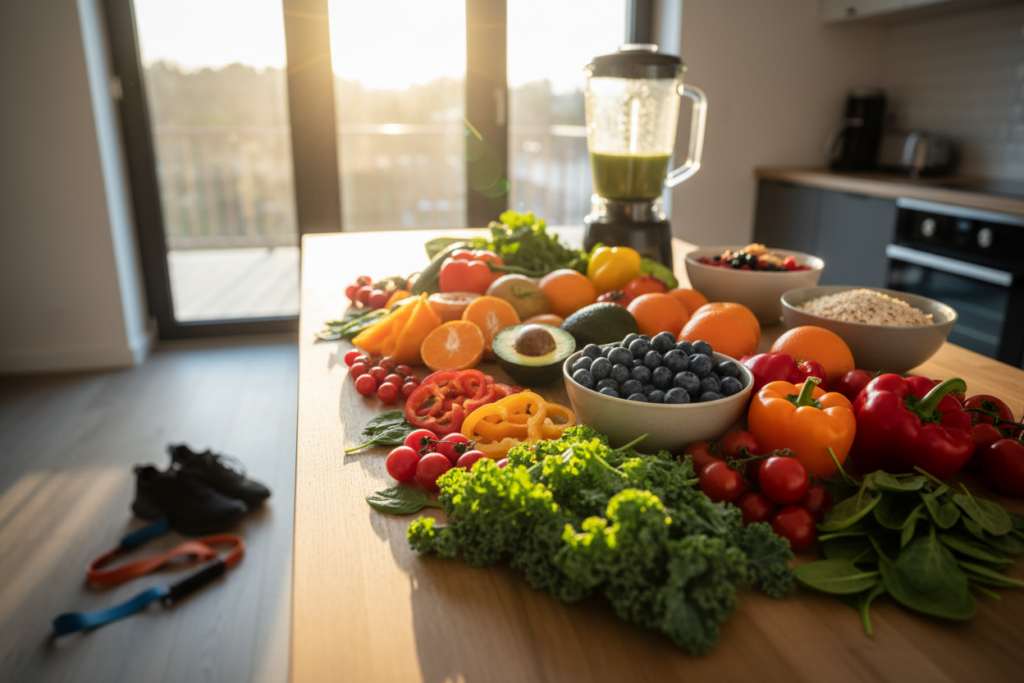
Here’s a secret: the most nutrient-packed foods for your physique often come from the produce aisle, not the supplement shelf. These items deliver the vitamins, minerals, and antioxidants your body craves for optimal repair and function. They’re the foundation of long-term health and performance.
Ignoring them is like building a house without insulation—you might get the structure, but it won’t last or function well. Your goal is to fuel every cell efficiently.
Seasonal and Frozen Produce Benefits
Buying in-season is a smart money move. But frozen options are your year-round ace. They’re picked at peak ripeness and flash-frozen, locking in nutrition.
This means frozen broccoli or spinach often has more vitamins than “fresh” produce that sat on a truck for days. Your wallet wins too—bags of frozen vegetables cost significantly less.
Take the humble sweet potato. A single medium one costs about $0.47. It’s an affordable powerhouse of complex carbohydrates and vitamin A.
Don’t fear healthy fat sources like nuts or seeds. They provide essential calories that support hormonal health and drive muscle recovery. A small handful adds crucial nutrients without breaking the bank.
Leafy greens are another volume hero. They bulk up your meals without piling on excessive calories. This keeps you full and satisfied.
Beans and lentils are versatile, nutrient-dense additions. They offer both fiber and plant-based protein to support your long-term health goals.
| Produce Type | Form | Avg. Cost per Serving | Key Benefit |
|---|---|---|---|
| Sweet Potato | Fresh | ~$0.47 | Complex carbs, rich in Vitamin A |
| Broccoli | Frozen | ~$0.30 | High fiber, retains maximum nutrients |
| Spinach | Leafy Green | ~$0.25 | Adds volume, iron, very low in calories |
| Mixed Berries | Frozen | ~$0.40 | Antioxidants, available year-round |
Focus on these nutrient-dense options. They turn every meal into a strategic investment in your body. Smart choices with vegetables and healthy fats optimize your energy and overall health.
Conclusion
Remember, the most powerful supplement you can take is a well-stocked kitchen of whole, affordable foods. Real progress is built on foundational habits, not extras. It demands consistent action and quality protein sources.
Track your daily intake. Use the sample meal plan from this article as your personal template. Focus on staples like chicken breast, eggs, and cottage cheese. Your diet is the non-negotiable foundation for every ounce of strength you earn in training.
The power is in your hands. With careful planning and bulk buying, your health and physique goals are absolutely achievable. Stay focused on the essentials. Your long-term success is built one smart, consistent choice at a time.
FAQ
Can I really build mass without spending a fortune on food?
Absolutely. Here’s the truth—your body doesn’t care about fancy labels. It cares about consistent protein, energy from carbohydrates, and overall calories. By focusing on affordable staples like eggs, chicken thighs, rice, lentils, and frozen vegetables, you fuel growth without blowing your budget. It’s about smart choices, not expensive ones.
What are the best cheap protein sources I should buy every week?
Start with these powerhouses: whole eggs, bulk chicken thighs or drumsticks (often cheaper than breast), cottage cheese, canned tuna, and dried lentils or beans. Don’t sleep on milk and plain Greek yogurt, either. These items give your muscles the building blocks they need without the premium price tag of supplements or specialty meats.
How do I time my carbs for better workout energy and recovery?
A> Think of carbohydrates as your fuel gauge. For maximum energy, have a solid meal with oats, rice, or a potato about 2-3 hours before you train. Then, within an hour after your session, pair a fast-digesting carb—like a banana or white rice—with your protein. This combo replenishes energy stores and kicks recovery into high gear.
Is meal prepping actually worth the time for saving money?
A> 100%. A few hours on a Sunday saves you from desperate—and expensive—takeout decisions all week. When you cook chicken, grains, and veggies in bulk, you control portions, ingredients, and cost. You’ll minimize waste and always have a healthy meal ready. It’s the single best habit for sticking to your nutrition and financial goals.
What’s the easiest way to cut my weekly grocery bill?
A> First, never shop hungry. Second, build your plan around store-brand items, seasonal produce, and bulk bins for rice, oats, and quinoa. Use frozen vegetables—they’re just as nutritious, cheaper, and won’t spoil. Finally, base several meals on plant-based proteins like black beans or chickpeas; they’re incredibly cost-effective per gram of protein.