Build Muscle Meals Around Seasonal Produce Staples

 0
0
 0
0 Seasonal produce should make muscle-building meals easier, not turn grocery shopping into homework. This Seasonal Produce Guide for Muscle-Building Nutrition starts with potatoes, bananas, berries, leafy greens, tomatoes, carrots, and frozen vegetables. Add enough protein, calories, and carbohydrates to support training. Then judge the plan by your logbook, recovery, and body-weight trend.
Last updated: 2026-08-12
What should a seasonal produce guide for muscle-building nutrition prioritize?
Produce supports muscle gain, but it does not drive it. Training, protein, enough calories, and recovery do.
Build your meals in this order:
- Choose a dependable protein source.
- Add enough carbohydrates to support the next training session.
- Include fruit or vegetables for fiber, vitamins, minerals, flavor, and variety.
- Add a calorie source if the meal is too light for your goal.
- Repeat meals that are easy to buy, cook, and digest.
Perfect seasonality sits well below those basics. A local heirloom tomato won’t rescue a diet that lacks protein or total food.
However, seasonal produce can improve taste and lower costs when local supply is strong. Use that advantage without making it a rule. Frozen berries in winter still count, and your muscles won’t ask where the peas were grown.
The right plan should also fit your week. If fresh produce spoils before you cook it, buy frozen or canned next time. Food only helps after you eat it.
Which produce staples deserve a place in your weekly rotation?
Keep a short list of dependable foods before chasing seasonal variety. These picks cover training carbohydrates, easy snacks, vegetables, and emergency backups.
| Produce | Verdict | Best use |
|---|---|---|
| Potatoes and sweet potatoes | Best foundation for lifters | Roast, boil, mash, or add to bowls with protein |
| Bananas | Best convenient training fruit | Eat before training or pair with yogurt afterward |
| Frozen berries | Best low-effort fruit | Add to oats, yogurt, or shakes |
| Leafy greens | Best routine nutrient-dense vegetable | Cook into eggs, rice dishes, pasta, or stir-fries |
| Carrots | Best durable inexpensive vegetable | Roast, grate into bowls, or eat as a snack |
| Frozen mixed vegetables | Best all-season backup | Add directly to rice, noodles, soups, or skillets |
Potatoes and sweet potatoes earn the first place in this rotation. They provide repeatable carbohydrates, work with almost any protein, and handle batch cooking well.
Bananas solve a different problem. They need no preparation, travel well, and sit comfortably for many lifters before training. Pair one with a protein source if it forms part of a full meal.
Frozen berries beat fresh berries whenever cost, waste, or availability becomes a problem. Fresh berries are excellent when they taste good and fit the budget. Otherwise, skip the expensive box that turns soft before you use it.
Leafy greens deserve regular space, but don’t build giant low-calorie salads and then wonder why your body weight won’t move. A 1 cup (30g) serving of raw spinach contains 144.9 mcg of vitamin K, or 121% of the daily value. Add it to a real meal rather than using it to replace one.
For a wider list of dependable staples, use this grocery list for muscle gain on a budget.
Which spring fruits and vegetables support muscle-building meals?
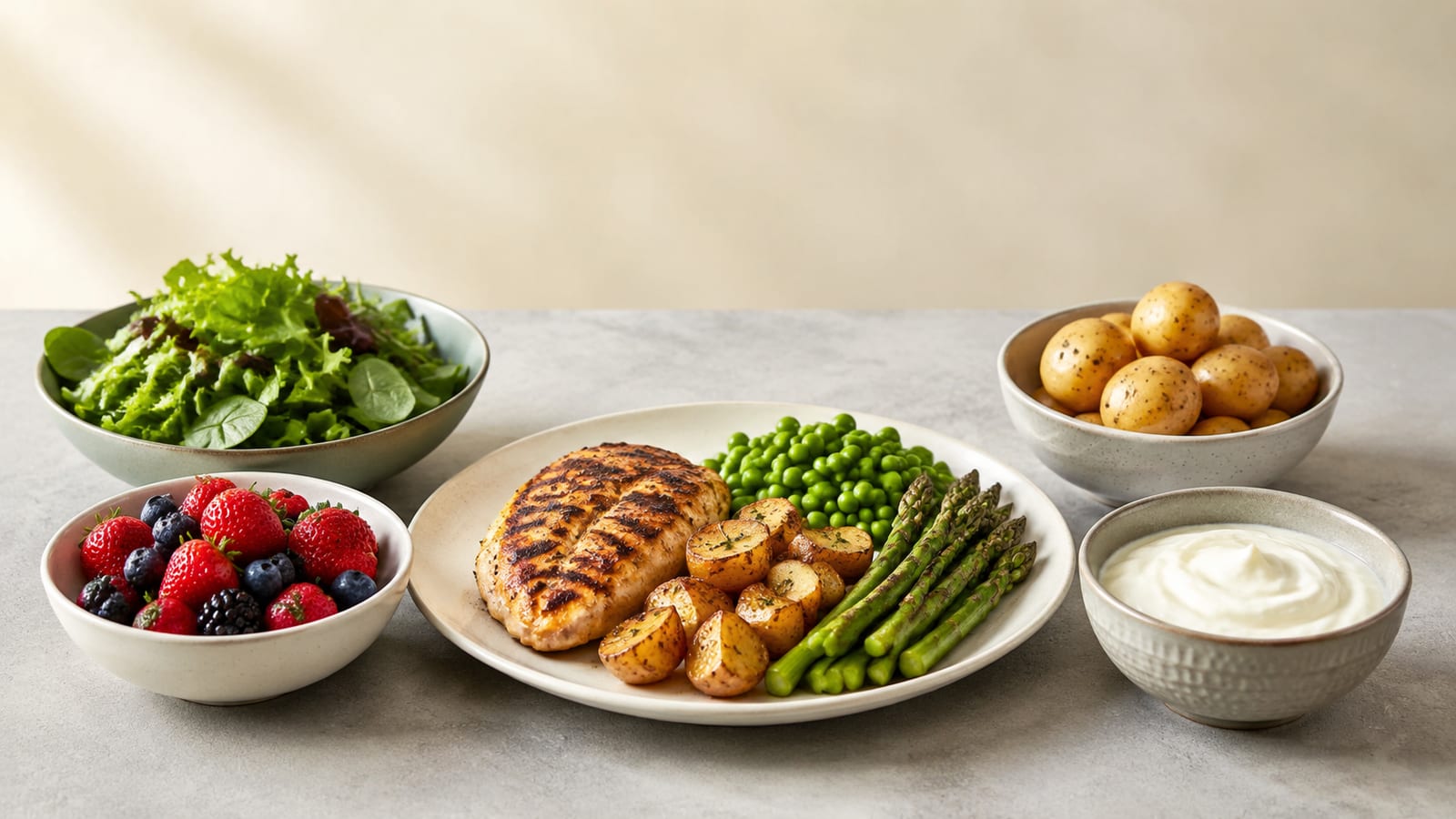
Spring produce is useful because it adds crisp vegetables, greens, and berries after a winter of storage crops. Keep the meals substantial.
Good spring choices include:
- Asparagus
- Green peas
- Spinach
- Lettuce
- Radishes
- Strawberries
- Rhubarb
- Artichokes
Peas are the most useful training food in that group. A 1 cup (160 grams) serving of cooked green peas provides 134 calories and 8.6 grams of protein. That helps, but peas still shouldn’t carry the full protein load of the meal.
Add them to rice with chicken, fish, eggs, tofu, or another dependable protein. You get carbohydrates and some protein without pretending peas replace a proper main ingredient.
Artichokes are filling, not calorie-dense. One medium artichoke cooked without salt weighs 120g and contains 64 calories, 3.5g of protein, 14.4g of carbohydrates, and 7 grams of fiber. That fiber is nearly one-third of daily needs, so an artichoke may be a poor choice right before a hard session if your stomach is sensitive.
Strawberries work well in oats or yogurt. Meanwhile, asparagus and spinach fit pasta, egg dishes, and rice bowls. Lettuce and radishes add crunch, but they contribute little training fuel by themselves.
Rhubarb needs preparation and usually tastes sharp without other ingredients. Keep it if you enjoy it. Skip it if buying and cooking it feels like another job.
Which summer produce options are most useful for lifters?
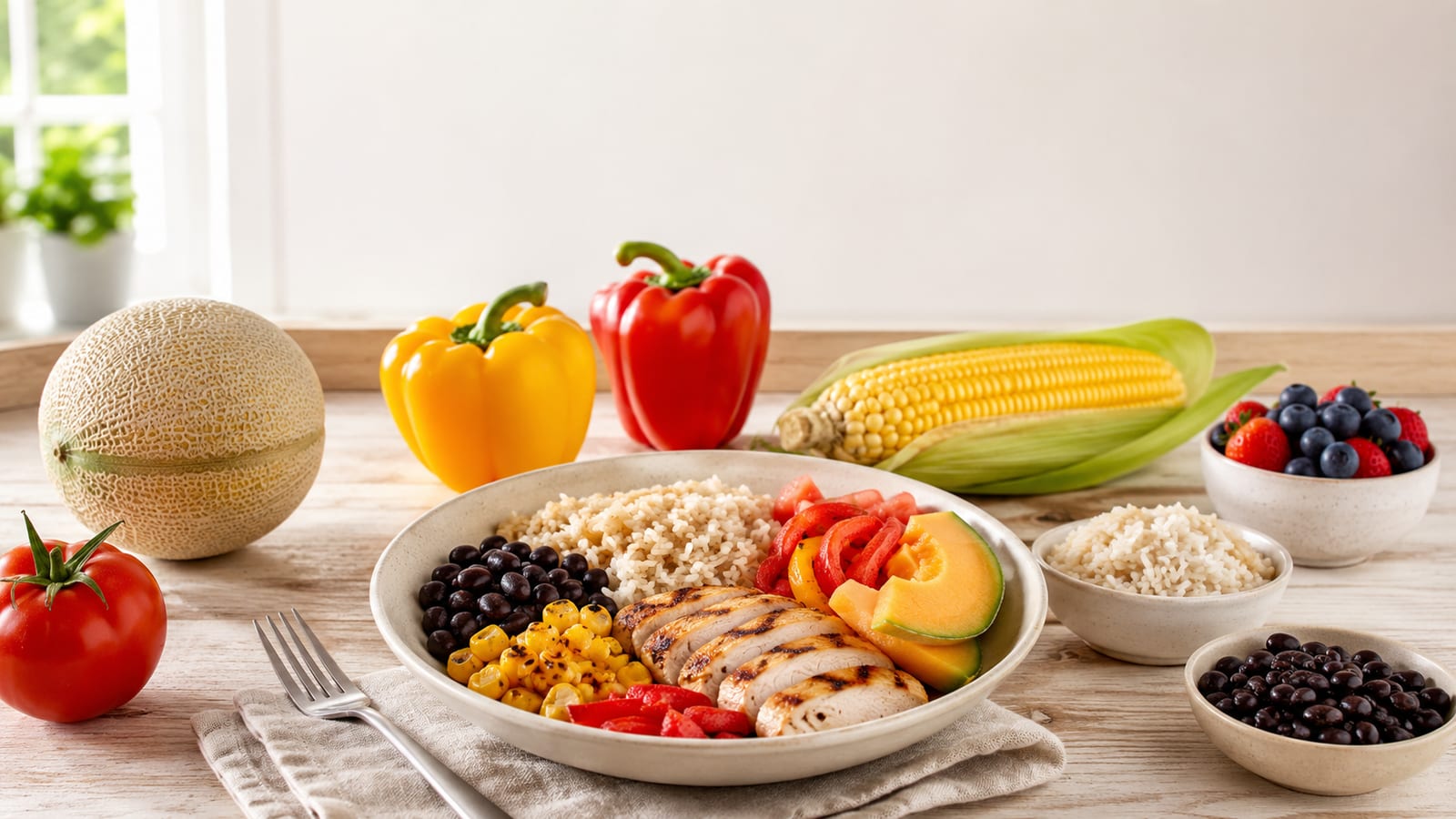
Summer gives you excellent fresh produce, but variety isn’t a requirement. Buy what tastes good, holds up in your kitchen, and works with meals you already eat.
The strongest summer rotation includes:
- Tomatoes
- Corn
- Zucchini
- Cucumbers
- Peppers
- Green beans
- Peaches
- Melons
- Cherries
- Berries
Corn is one of the better training additions because it contributes more usable carbohydrates than a plate of watery vegetables. Pair it with rice, potatoes, beans, meat, fish, eggs, or tofu.
Tomatoes, peppers, zucchini, and green beans work well in cooked meals. They can go into pasta sauces, stir-fries, tray bakes, and omelets without changing the whole plan.
Cucumbers and melons are refreshing in hot weather. However, they won’t provide enough energy for muscle gain on their own. Add them beside a substantial meal rather than treating them as recovery food.
Peaches, cherries, and berries are easy additions to breakfast or a post-training meal. Still, don’t buy a large mix just because the market looks good. A small rotation you finish beats a refrigerator full of spoiled ambition.
Which fall harvest foods belong in a practical nutrition plan?
Fall is the easiest season for durable meal-building produce. Apples, squash, potatoes, cabbage, and root vegetables last longer than delicate summer fruit and suit batch cooking.
Useful fall choices include:
- Apples
- Pears
- Grapes
- Pumpkins
- Winter squash
- Sweet potatoes
- Brussels sprouts
- Cabbage
- Carrots and other root vegetables
Sweet potatoes are the clear first pick. Roast them beside a protein source, mash them, or add them to a bowl. They provide the training carbohydrates that many vegetable-heavy meals lack.
Winter squash and pumpkin also work in soups, stews, curries, oats, and pasta dishes. However, pumpkin puree isn’t a muscle-building protein food. Pair it with Greek yogurt, milk, eggs, meat, tofu, or another meaningful protein source.
Apples, pears, and grapes travel well and require little work. Eat them with yogurt, cheese, or a regular meal if you need more than a light snack.
Cabbage and carrots are less exciting than a seasonal recipe trend, but they survive the week. That matters. A durable vegetable you use is better than a delicate one you throw away.
What winter produce is available when fresh local choices are limited?
Winter produce depends heavily on your region. In colder areas, storage crops do most of the work.
Look for:
- Citrus fruit
- Apples and pears
- Cabbage
- Carrots
- Beets
- Potatoes and sweet potatoes
- Onions
- Winter squash
- Greenhouse-grown leafy greens
Potatoes remain the best base for lifters. Combine them with a protein source and a cooked vegetable for a meal that is simple on paper and demanding enough to support hard training.
Cabbage, carrots, onions, beets, and squash also store well. Roast them together or cook them into stews. Then add bread, rice, pasta, or more potatoes if the meal still lacks enough energy.
Citrus fruit adds flavor and gives you an easy winter fruit option. Apples and pears are often more durable, so choose them if food waste keeps beating your plans.
Meanwhile, frozen vegetables cover the gaps. A freezer bag doesn’t care about frost dates, and it won’t wilt while you postpone meal prep.
Should lifters buy produce fresh, frozen, canned, or dried?
Use all four forms. Fresh-only shopping sounds serious, but it often creates more waste and more emergency takeaway meals.
| Form | Keep it for | Where it falls short |
|---|---|---|
| Fresh | Texture, salads, snacks, produce you’ll eat soon | Spoils faster and may cost more out of season |
| Frozen | Berries, peas, spinach, mixed vegetables, meal prep | Softer texture after cooking |
| Canned | Tomatoes, pumpkin, corn, beans, fast meals | Some products contain added salt or sweeteners |
| Dried | Fruit, beans, and calorie-dense meal additions | Easy to eat quickly and may require cooking |
Choose fresh produce when quality is good and you have a plan for it. Choose frozen when reliability matters more than texture.
Canned tomatoes, pumpkin, corn, and beans make fast meals easier. Check the label if added salt or sweeteners matter to your diet, but don’t reject a useful food because it came in a can.
Dried fruit can help when you need more calories without a large volume of food. However, it is easy to keep eating because the water has been removed. Put it into oats, yogurt, or a planned snack instead of grazing from the bag.
Boiled, shelled edamame is another useful freezer option. One cooked cup contains 18.4 grams of protein. It can support the meal, although many lifters will still need another protein source across the day.
Cooked black beans offer both carbohydrates and protein. A 1 cup (172g) serving contains 227 calories, 15.2g of protein, 40.8g of total carbohydrate, and 15g of dietary fiber. Because that is a large fiber load, test the serving away from training before putting it into your pre-workout meal.
How do regional growing conditions change availability?
There is no honest universal produce calendar. Latitude, climate, rainfall, frost dates, growing methods, storage facilities, and imports all change what appears in your shops.
For example, a crop sold locally in one region may arrive through storage or imports somewhere else. Greenhouse production can also extend the season for leafy greens, herbs, cucumbers, and tomatoes.
Use a seasonal produce guide for muscle-building nutrition as a starting point, not a set of orders. Then check your local market, grocery prices, and produce quality.
The USDA Seasonal Produce Guide provides a broad reference. However, your shop shelf gives the final answer for your area.
How can you explore produce year-round without complicating meals?
Build a small weekly rotation. You don’t need a different fruit and vegetable at every meal.
Use this system:
- Pick a convenient fruit for snacks or breakfast.
- Choose another fruit only if you know you’ll finish it.
- Buy one leafy or colorful vegetable for cooked meals.
- Add one durable staple, such as potatoes, carrots, cabbage, or squash.
- Keep frozen mixed vegetables or canned produce as backup.
Then place those foods into meals you already understand. Add berries to oats, spinach to eggs, carrots to a tray bake, and frozen vegetables to rice.
Next week, change one or two items. Swap strawberries for peaches or cabbage for green beans. You get variety without rebuilding your meal plan.
The goal is repeatable meals, not a weekly cooking performance.
How should you portion produce around training and recovery?
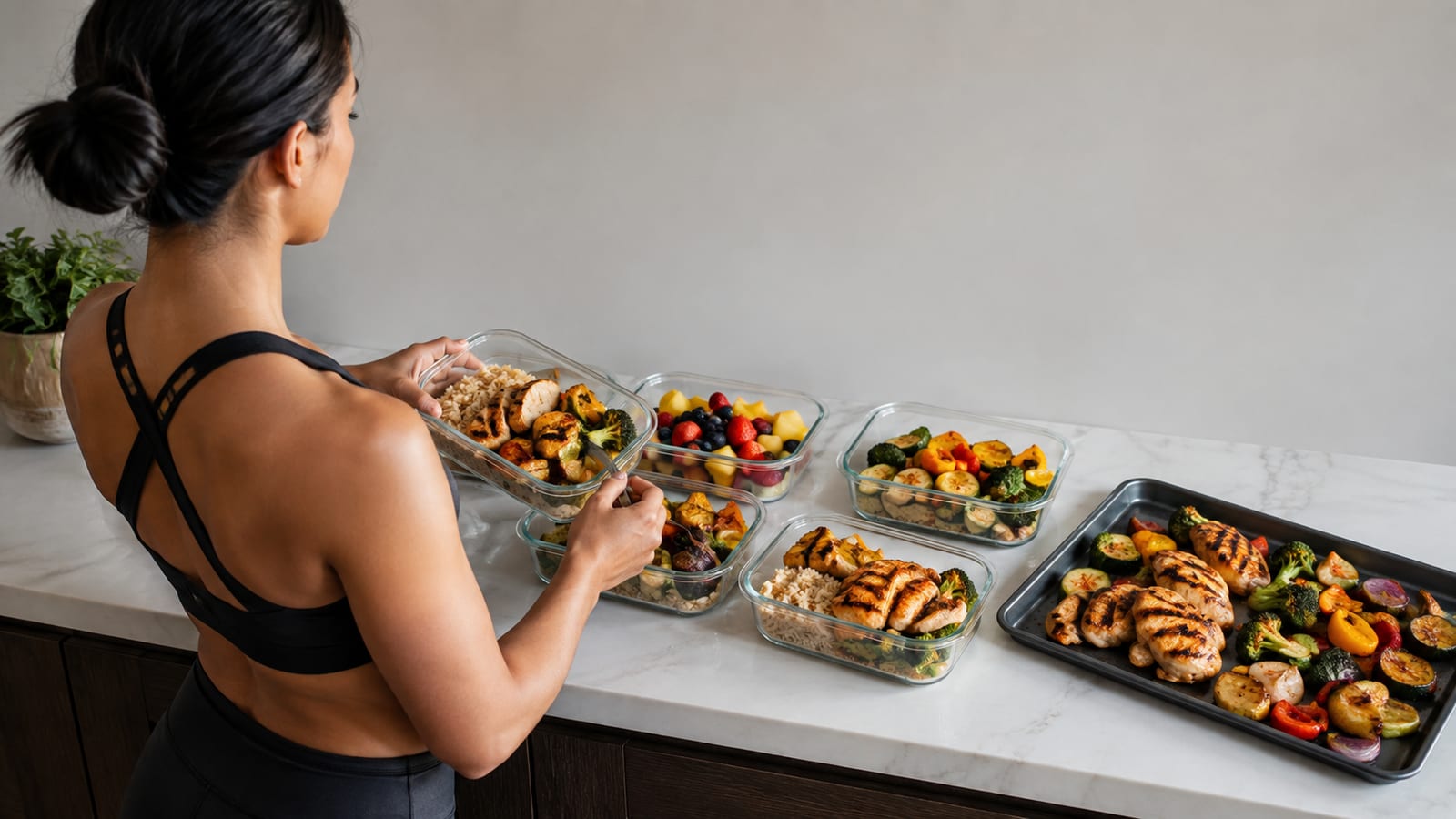
Put carbohydrate-rich produce near training when it helps you perform and recover. Potatoes, sweet potatoes, bananas, corn, peas, fruit, and squash are more useful here than a large bowl of lettuce.
Before training, choose foods you digest well. A banana, cooked potato, fruit with yogurt, or a normal rice-and-protein meal can work. The right choice is the one that fuels the session without sitting heavily in your stomach.
Avoid forcing a large amount of raw vegetables, beans, or high-fiber fruit into the meal before lifting. Fiber is useful, but poor timing can leave you bloated halfway through squats. Your stomach gets a vote.
After training, pair produce with protein and enough total food. Potatoes with eggs, fruit with Greek yogurt, or rice with chicken and mixed vegetables all do the job. For more combinations, use these post-workout meals for muscle gain.
Vegetables support overall diet quality, but they can also make a meal too light. If your body weight and gym performance are flat, add a calorie source before adding another pile of greens.
The MyPlate framework can help with basic meal balance. However, a lifter trying to gain muscle may need more total food than a generic plate image suggests.
What does a fast shopping and meal routine look like?
Use a routine you can repeat during a busy week. Complicated menus usually fail when work, training, and family all land on the same evening.
- Choose your foundations. Buy potatoes or sweet potatoes, bananas, carrots, and frozen mixed vegetables.
- Add seasonal produce. Pick a few items that look good, fit the budget, and match meals you already make.
- Buy convenient forms. Use frozen berries, canned tomatoes, washed greens, or chopped vegetables when they save real time.
- Prepare the slow foods together. Roast potatoes, carrots, squash, or other durable vegetables in one batch.
- Pair every main meal with protein. Use eggs, dairy, meat, fish, tofu, edamame, or beans according to your diet.
- Add enough energy. Include rice, pasta, bread, oats, fats, or larger carbohydrate servings when produce makes the meal too light.
- Review your results. Watch training performance, recovery, appetite, and body-weight trends. Adjust total food before blaming a specific fruit or vegetable.
For a full prep system, use this guide to easy meal prep for muscle gain.
Keep the produce plan if you finish the food, recover well, and beat the logbook over time. Change it if meals spoil, digestion suffers, or your intake is too low to support progress.
FAQ
Do I need to buy organic produce for muscle gain?
No. Organic produce does not replace enough protein, calories, carbohydrates, or productive training.
Buy the form you can afford and eat consistently. Wash fresh produce, remove damaged parts, and spend the remaining budget on enough total food.
Is fruit sugar a problem during a muscle-building phase?
Whole fruit is a practical carbohydrate source for most lifters. It also provides water, fiber, vitamins, and minerals.
The bigger mistake is fearing a banana while struggling to eat enough food for hard training. Judge your full diet and body-weight trend, not one piece of fruit.
Can vegetables count as my main protein source?
Most vegetables contribute only a small amount of protein. Peas, edamame, and beans provide more, but you still need to plan the full day rather than assuming every plant food is protein-rich.
Use a clear protein source at each main meal. Then let vegetables support that meal with carbohydrates, fiber, flavor, and micronutrients.
What should I do if produce causes bloating?
Reduce the serving, cook the food, peel it when practical, or choose a lower-fiber option near training. Raw cabbage, large bean servings, and bulky salads cause more trouble for some lifters than cooked carrots, potatoes, bananas, or zucchini.
Change one food at a time so you can identify the problem. If symptoms persist or become severe, speak with a qualified healthcare professional.
Is juice as useful as whole fruit?
Juice can provide quick carbohydrates, but it is easier to drink fast and usually less filling than whole fruit. That may help a lifter who struggles to eat enough, but it is a poor default for someone who prefers solid meals.
Use it for a clear reason. Otherwise, keep whole fruit and let the rest of the meal provide enough energy.