Bulk Up Fast: Best Bulking Foods for Lean Muscle Gain

 0
0
 0
0 Packing on lean muscle requires more than simply lifting weights, what you eat is as important.
When going through a tough bulking phase, choosing the appropriate meals might be the difference between significant gains and wasted efforts. With these potent bulking meals, you may enter the realm of optimal nutrition and gain weight quickly.
These meals are versatile, high in calories, and high in proteins, carbohydrates, and good fats, making them valuable partners in your quest for muscle. They provide the required nutrition for recuperation and muscular development, making every rep count. However, it’s not just about amount; the quality of your calorie intake determines how effectively your muscles adapt.
Begin this revolutionary journey by consuming meals that are as natural and steroid-free as your workout routine. Discover how a balanced approach to bulking may boost your results, engaging both beginners and seasoned athletes in the pursuit of stunning physical improvements.
Fuel your body and boost your exercise with foods like healthy grains, lean meats, and omega-rich alternatives. Tailoring your diet with these specific options transforms eating into a building process—each meal is a smart step toward attaining your bodybuilding goals.
Allow vivid energy sources to push you through even the most strenuous workouts, while strategically chosen nutrients work behind the scenes to promote new development. Are you ready to maximize your gains? Explore this crucial guide, which will serve as your roadmap for successful bulking.
Essential Facts and Key Points on Bulking Foods
- Bulking foods are high in calories and help build muscle mass.
- Carbohydrates, proteins, and fats are the macronutrients needed for weight gain.
- Whole foods are preferable to processed ones for healthy bulking.
- Meal timing can influence effectiveness; frequent, substantial meals are ideal.
Benefits of the Best Bulking Foods
Increase muscle mass.
Provide sustained energy.
Improve overall nutrition.
Enhance workout recovery times.

Advantages of Implementing the Best Bulking Foods in the Diet
- ensures a balanced intake of all essential nutrients.
- helps maintain an anabolic state for muscle growth.
- improves body composition by adding lean mass.
- supports intensive training requirements with adequate fuel.
Pros and Cons of High-Calorie Bulking Foods
Pros:
Promote quick weight gain.
Simplify calorie surplus achievement.
Aid in strength and size gains.
Better physical presence and confidence.
Cons:
Risk of excess fat gain if not managed properly.
Potential digestive discomfort from increased food volume.
Increased grocery bill due to higher food intake.
There is a possible imbalance if the selection of foods is limited.
Bulking Diet Plan Guidelines
Building mass involves a strategic increase in calorie consumption alongside essential nutrients to support muscle growth.
A diverse mix of protein, carbohydrates, and fats is critical for effective bulking. Each meal should combine these macronutrients to fuel workouts and recovery.
High-Protein Foods for Muscle Gain
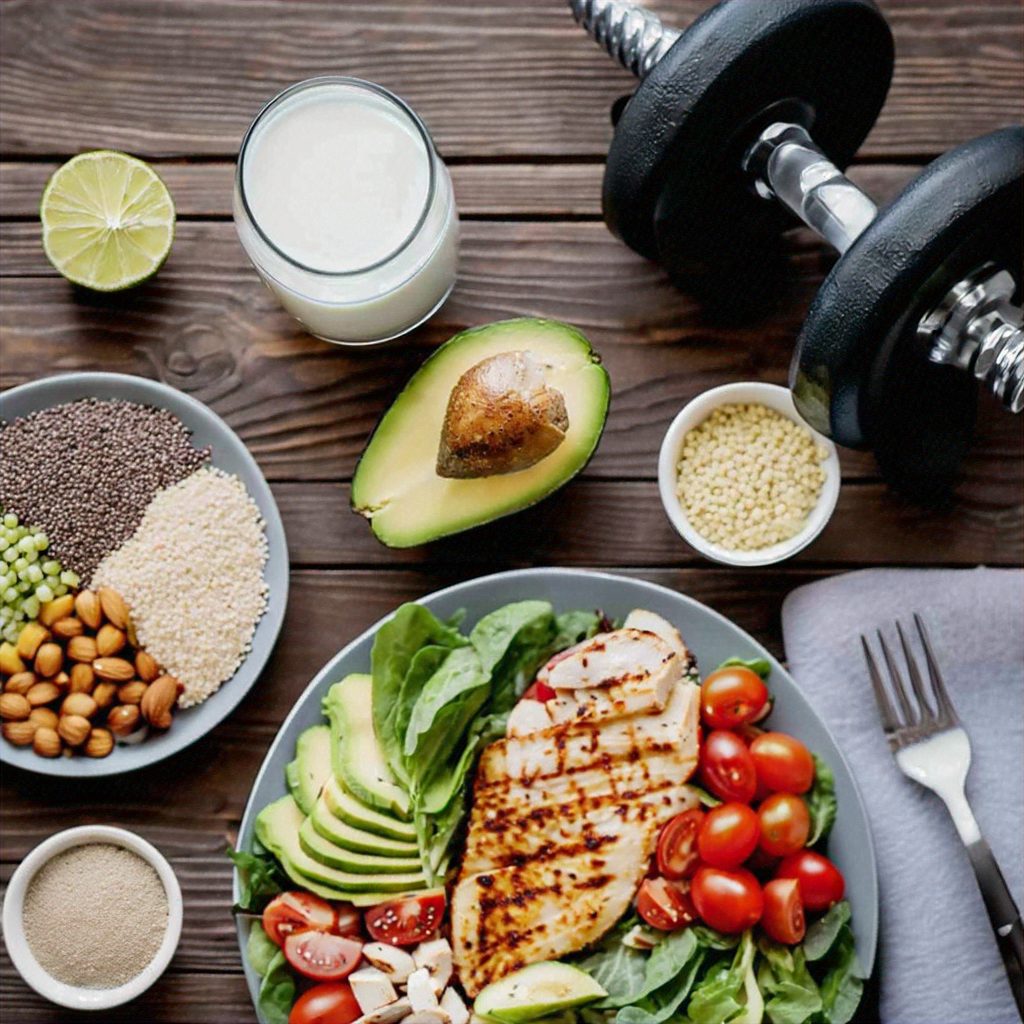
Lean meats like chicken, turkey, and lean beef cuts
Fish, including salmon, tuna, and cod
Eggs, especially the whites, are a low-fat protein source.
Dairy foods such as Greek yogurt, cottage cheese, and milk
Plant-based options like tofu, tempeh, and legumes
Energy-Dense Carbohydrates
Oats and whole grains for sustained energy release
Brown rice and quinoa, which also offer additional protein
Sweet potatoes and yams as fibrous carbohydrate sources
Whole grain breads and pastas for the necessary calorie intake
Fruits like bananas, mangoes, apples, and berries have natural sugars and fiber.
Healthy Fats for Hormonal Balance and Absorption
Nuts and seeds are packed with omega-3 fatty acids.
Avocados, rich in monounsaturated fats
Olive oil and flaxseed oil for dressing salads or cooking
Natural peanut or almond butter as a snack or meal addition
Bulking Workout Plan Structure
Training while bulking requires a focus on progressive overload, maximizing muscular hypertrophy through varied rep ranges and compound movements. Below is an example of a of a weekly workout structure:
Day | Workout Focus | Key Exercises (3×8-12) |
|---|---|---|
Monday | Chest & Triceps | Bench Press, Dips, Skull Crushers |
Tuesday | Leg Day | Squats, Deadlifts, Lunges |
Wednesday | Rest Day/Active Recovery | – |
Thursday | Back & Biceps | Pull-Ups, Barbell Rows, Hammer Curls |
Friday | Shoulders & Abs | Military Press, Side Laterals, Planks |
Saturday/Sunday | Rest Day/Active Recovery/Cardio * | – |
*Cardio is optional but can help manage fat gain during the bulking phase.

Bulking Tips and Common Mistakes
Avoid excess junk food; clean calories foster quality muscle gain.
Frequent meals or snacks (5–6 times daily) can stabilize energy levels.
Maintain hydration for optimal metabolic processes and muscle function.
Consistent sleep patterns enhance recovery and growth hormone release.
Prioritize complex carbs over simple sugars to avoid energy crashes.
Fiber intake is crucial for digestive health during high-calorie eating.
Weigh yourself regularly to monitor progress and adjust the diet plan accordingly.
Track macros to ensure proper nutrient balance is maintained.
Avoid neglecting any muscle group to ensure balanced physique development.
Heavy weightlifting without proper form can lead to injury; form over weight always.
Incorporate deload weeks to prevent overtraining syndrome.
Bulking too quickly can result in excessive fat gain; aim for a slow and steady approach.
How Can You Optimize Your Bulking Phase?
Mix up your protein sources to keep meals exciting and nutritionally diverse.
Increase caloric intake gradually to minimize unnecessary fat gain.
Add cardio minimally to keep heart health in check without burning off surplus calories too fast.
Diversify your workout routines every 4–6 weeks to prevent plateaus.
Utilize tracking apps or a nutritionist if you are having trouble planning or sticking to your bulking diet.
Engage with a community or forum for motivation and support during your bulking journey.
Advancements in Optimal Foods for Rapid Mass Gain
The landscape of bulk nutrition has evolved. Recent strategies focus on high-calorie, nutrient-rich foods. Whole foods like lean meats, complex carbohydrates, and healthy fats are crucial. They provide not just bulk but quality muscle mass. The timing of these nutrients is also critical. Consuming high-protein foods post-workout aids muscle repair.
Personalized Bulking Diet Plans
Bulking diets should align with individual goals. For lean mass, focus on low-glycemic carbs. Those aiming for rapid size gains might opt for a mix of fast and slow-digesting carbs. Adjust calorie surplus levels based on personal metabolism and activity levels. Consider food sensitivity too. What works for one might not work for another.
Integrating nutritional tactics
Combine nutritional strategies for a holistic approach. Stack high-protein foods with varied carb sources. Implement a nutrient cycle—high carb days on training days and lower carb days on rest days. Vary your protein sources to include beef, chicken, fish, and plant-based proteins. Harmonize these with a healthy fat intake from avocado, nuts, and olive oil.
Nutrition and Recovery Insights
Experts emphasize the role of nutrition in recovery. Consume foods rich in omega-3 fatty acids to reduce inflammation. Sleep is pivotal. Thus, include tryptophan-rich foods like turkey or almonds before bed. Hydration affects muscle recovery, so increase water intake. Nutritionists recommend replacing lost electrolytes with potassium and sodium after intense sessions.

Tracking Progress and Adjustments
Monitoring body composition is necessary. Use tools like DEXA scans for accurate fat and muscle measurements. Adjust your bulking diet based on the results. Scale back on calories if fat gain is prominent. Increase intake if muscle growth stalls. Be flexible and responsive to feedback from your body’s performance and appearance changes.
Meal Timing and Frequency
Nutrient timing can influence mass gains. Eat every 2-3 hours to support a constant anabolic state. Include a mix of proteins, fats, and carbs in each meal to sustain energy levels. Pre- and post-workout meals are critical windows. Optimize these times with protein shakes and simple carbs for immediate muscle repair fuel.
Final Thoughts
The most effective bulking diets prioritize nutrient-rich whole foods that maximize muscle gains and minimize fat accumulation. Lean proteins, complex carbohydrates, and healthy fats form the foundation of such a diet to ensure robust growth.
Incorporating a variety of energizing foods supports your intense training regimen while fostering sustainable weight gain. Maintaining a balanced approach encourages consistent progress towards your desired physique.
FAQs on the Best Bulking Foods for Fast Weight Gain
What foods should I prioritize for rapid bulking?
Favor calorie-dense options like nuts, lean meats, whole grains, and dairy. These provide the energy and nutrients for muscle growth.
How much protein do I need during a bulking phase?
Aim for 1.6–2.2 grams of protein per kg of body weight daily to support muscle repair and growth.
Can I gain muscle without eating meat?
Absolutely, plant-based sources like lentils, chickpeas, quinoa, and tofu are rich in protein suitable for bulking.
Is it necessary to count calories when bulking?
Monitoring your intake ensures you’re consuming enough to support weight gain, but don’t obsess over numbers.
What role do fats play in gaining weight?
Healthy fats are essential for hormone production and can provide a concentrated source of energy.
Are carbs important for bulking up?
Yes, they’re your body’s primary energy source and help fuel intense workouts and recovery.
Will eating more cause fat gain along with muscle gain?
Slight fat gain might occur, but focusing on clean, nutritious foods can minimize this.
How often should I eat to bulk effectively?
Ideally, have multiple balanced meals evenly spaced out each day to continuously fuel your muscles.
Can supplements replace whole foods in a bulking diet?
No supplement can truly replace the range of nutrients found in whole foods, though they can complement your diet.
Should hydration be a focus during my bulking phase?
Certainly, staying hydrated is crucial for overall health and can support optimal physical performance.
Related: Clean Bulk Is the Clear Winner for Muscle Gain
Related: Why Refeed Days Don’t Reset Your Metabolism