Build a Keto Eating Plan That Supports Training

 0
0
 0
0 Start with a ketogenic nutrition plan only if you can stick to low-carbohydrate meals without letting protein, vegetables, or training quality fall apart. The plan can help some people control appetite and lose weight, but it is not a muscle-building shortcut. You’ll eat mostly fat, a moderate amount of protein, and very little carbohydrate while tracking your body weight, gym performance, hunger, and recovery.
What is a ketogenic nutrition plan?
A ketogenic nutrition plan is a low-carbohydrate, fat-rich eating plan designed to shift your body toward using more fat and ketones for energy. Ketones are compounds your liver makes when carbohydrate intake stays low and stored carbohydrate is limited.
The ketogenic diet typically provides 70% to 80% fat with a moderate intake of protein. Carbohydrate intake stays low enough to support ketosis, but the exact amount varies with body size, activity, food choices, and individual response.
The usable rule is simple: build meals around protein, low-carbohydrate vegetables, and a measured source of fat. Do not turn every meal into a pile of butter, cheese, and bacon. That approach follows the label while ignoring the parts that support health and training.
A ketogenic nutrition plan can work for fat loss because it gives you a narrow food structure and often removes many easy-to-overeat foods. However, fat loss still depends on eating fewer calories than you use over time. Ketosis does not cancel that requirement.
Build each meal around four parts
Use this structure before you worry about recipes:
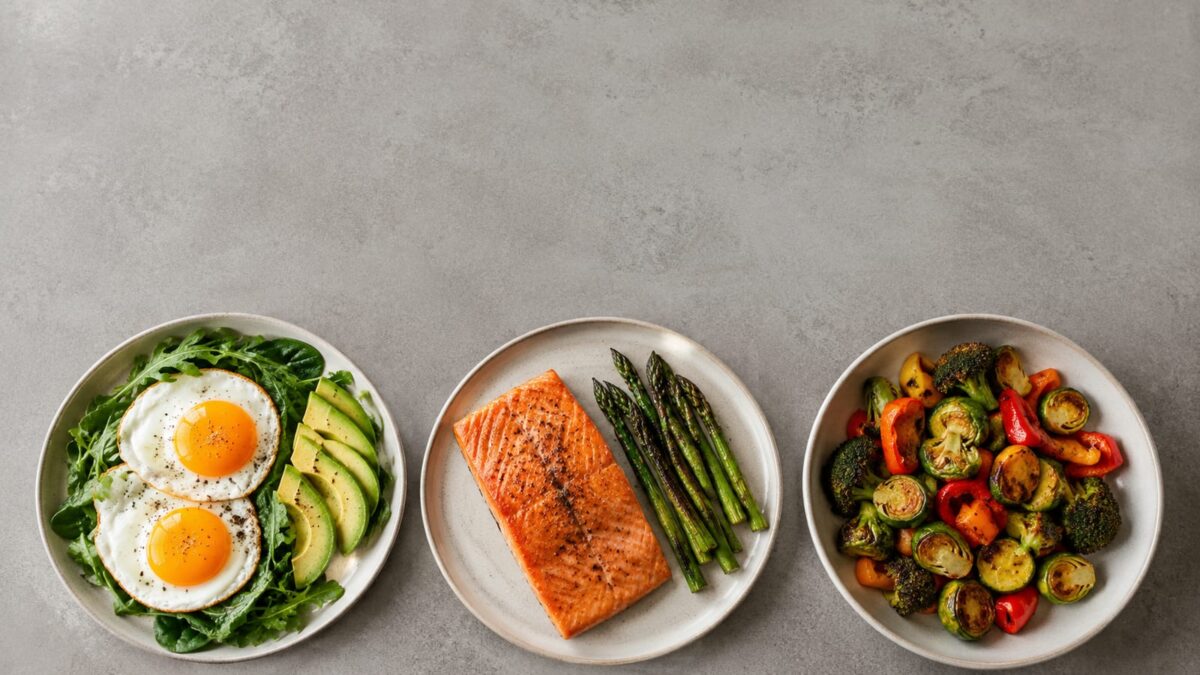
- Protein: eggs, poultry, fish, lean meat, Greek yogurt, cottage cheese, or tofu if it fits your carbohydrate target.
- Low-carbohydrate vegetables: leafy greens, broccoli, cauliflower, zucchini, mushrooms, asparagus, and green beans.
- Fat: olive oil, avocado, nuts, seeds, cheese, whole eggs, or fatty fish.
- Flavor: herbs, spices, vinegar, mustard, salsa with little added sugar, or a controlled amount of dressing.
Protein comes first because muscle retention and recovery still matter during a cut. The plan’s high fat content does not give you permission to let protein become an afterthought.
Choose fattier protein sources when they help you stay satisfied. Choose leaner sources when the meal already contains plenty of added fat. Otherwise, calories climb quietly through oils, cream, cheese, and handfuls of nuts.
You also need a basic record of what happens. Track body weight, hunger, gym performance, and digestion for several weeks before changing the plan. A food tracker can help you learn the pattern, but it should not turn every meal into a math exam.
A practical day of eating
A workable day might look like this:
Breakfast
- Eggs with spinach and mushrooms
- Avocado on the side
- Coffee or tea without added sugar
If you train early, keep the meal smaller if a heavy breakfast sits badly. You do not need to force fat before training just because the plan is high in fat.
Lunch
- Chicken, tuna, or salmon
- Large salad with leafy greens, cucumber, and olives
- Olive oil and vinegar dressing
- A small serving of cheese if it fits your intake
Measure the dressing at first. Pouring oil straight from the bottle is how a sensible salad becomes a high-calorie meal with no extra fullness.
Dinner
- Beef, fish, chicken, or another protein source
- Roasted broccoli, cauliflower, or zucchini
- Butter, olive oil, or a pan sauce used with purpose
Keep dinner boring enough to repeat. A plan that requires a new recipe every night will collapse as soon as work gets busy.
Snacks, if needed
- Plain Greek yogurt with a small serving of nuts
- Boiled eggs
- Cheese with cucumber
- Olives
- A protein shake with low carbohydrate content
- Celery or bell pepper with a controlled serving of nut butter
Snacks are optional. If you need several of them every day, check your meal size, protein intake, sleep, and total calories before adding more keto products.
Grocery shopping and meal preparation
Buy food that can become several meals. That reduces decision-making and keeps the plan usable during a difficult week.
Protein
- Eggs
- Chicken thighs or breast
- Lean or fatty beef
- Canned tuna or salmon
- Fresh fish
- Plain Greek yogurt
- Cottage cheese
- Tofu or tempeh, if suitable for your carbohydrate target
Vegetables
- Spinach
- Romaine lettuce
- Broccoli
- Cauliflower
- Zucchini
- Mushrooms
- Green beans
- Asparagus
- Cabbage
- Cucumbers
Fats and add-ons
- Olive oil
- Avocados
- Nuts and seeds
- Olives
- Cheese
- Mayonnaise with a simple ingredient list
- Vinegar
- Mustard
- Herbs and spices
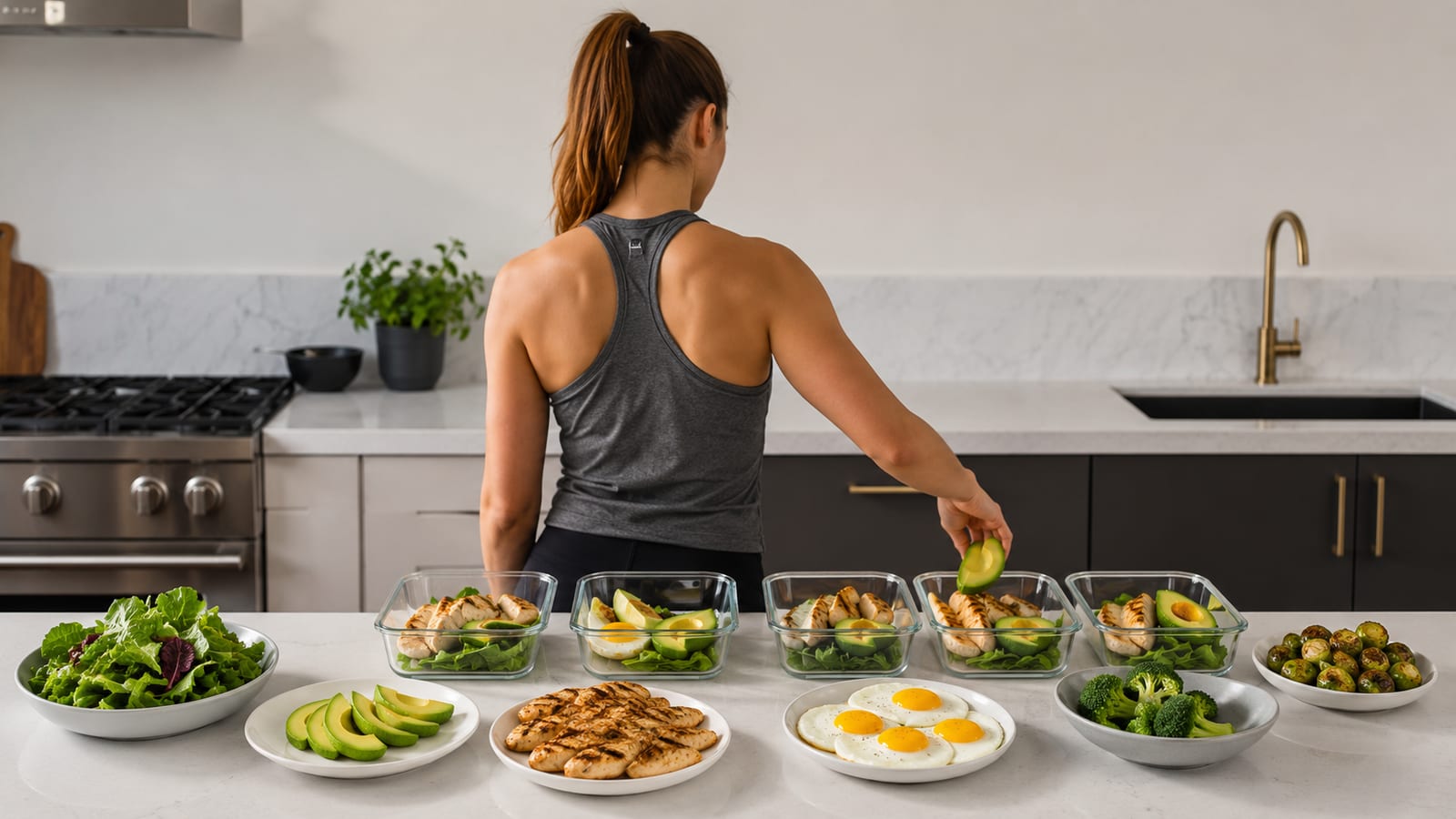
Cook several protein portions at once and prepare vegetables in batches. Keep a few emergency meals available, such as canned fish with salad or eggs with frozen vegetables.
Frozen vegetables work fine. Fresh ingredients are useful, but they do not earn extra nutrition points if they spoil untouched in your refrigerator.
Adjust portions without wrecking the plan
Start with regular meals and adjust based on results. Do not slash food after one day of scale fluctuation.
If your weight and waist measurement are moving down while gym performance stays acceptable, keep the plan steady. If progress stalls for several weeks, reduce added fats slightly or remove a snack before cutting protein.
If hunger is high, add more low-carbohydrate vegetables and use a protein serving that keeps you satisfied. You can also read A Smarter Way to Manage Hunger During a Cut for strategies that apply beyond keto.
If training performance drops sharply, recovery worsens, and your mood falls with it, the plan may be too restrictive. Add food first, then question whether very low carbohydrate intake suits your training.
Keto and muscle building

A ketogenic nutrition plan is a poor default for gaining muscle if you train hard and have no reason to restrict carbohydrate. Muscle growth depends on productive training, enough protein, enough total food, and recovery. Carbohydrates can make hard training feel and perform better for many lifters.
You can build muscle while eating keto, especially if you are new to training or returning after time away. Still, the plan gives you less room for carbohydrate around demanding sessions. That can matter during high-volume leg training, repeated sprint work, or long sessions.
Keep resistance training simple:
- Use stable exercises you can perform with repeatable technique.
- Train most working sets hard enough to count without forcing failure.
- Keep a logbook.
- Add weight or reps when performance earns it.
- Leave enough recovery between demanding sessions.
Do not blame keto for every bad workout. Poor sleep, low total food, dehydration, and a badly designed program can produce the same result. Check those first.
If your main goal is gaining size, start with Bulk Up Fast: Best Bulking Foods for Lean Muscle Gain before choosing a restrictive approach. You need a plan that makes eating enough practical.
Weight loss benefits and limits
Keto can make weight loss easier for some people because it removes many foods that encourage automatic overeating. It may also make meals more filling when they contain enough protein, vegetables, and fat.
The plan fails when people treat unlimited fat as a free food. Olive oil, nuts, cheese, cream, and fatty meats can all fit. They can also push total calories high enough to stop fat loss.
The first change on the scale may include shifts in stored carbohydrate and water. Do not judge the plan from a few days of scale readings. Use a longer trend and watch your waist, hunger, and performance.
You also do not need a special “reset” day to make fat loss work. Why Refeed Days Don’t Reset Your Metabolism explains why planned higher-carbohydrate days should have a clear purpose instead of becoming an untracked weekend.
The main trade-offs
Keto has real advantages, but the costs are easy to hide under recipe photos.
| Potential benefit | Common cost |
|---|---|
| Clear food rules | Fewer convenient meal options |
| Fewer refined carbohydrate foods | More planning around social meals |
| Some people feel less hungry | Others struggle with cravings and routine |
| Can support fat loss | High-fat portions can raise calories quickly |
| May suit people who prefer fatty meals | Training may feel worse for some athletes |
| Simple meal templates | Fiber and micronutrients suffer if vegetables disappear |
The first week can also bring headaches, constipation, low energy, or light-headedness for some people. Food changes, lower fluid intake, and poor mineral intake can all play a role.
Drink enough fluid and salt food according to your needs. If you have high blood pressure, kidney disease, diabetes, take medication, or have another medical condition, ask a qualified clinician before making a major change.
Therapeutic ketogenic diets are used in specific medical settings, including some forms of epilepsy. That medical use is supervised and structured. It should not be confused with an internet weight-loss menu. The National Institute of Neurological Disorders and Stroke provides background on epilepsy and its treatment.
Who should use it?
Use a ketogenic nutrition plan if these conditions fit:
- You prefer savory, fatty meals.
- You can plan food ahead.
- You do not depend on carbohydrate-heavy meals for training quality.
- You can eat enough protein and vegetables within the plan.
- You have a clear reason to restrict carbohydrate.
- You can follow it without turning food into a daily battle.
Skip it if you need high carbohydrate intake for performance, dislike the food choices, or keep breaking the plan through repeated restriction and overeating. A diet that looks disciplined on paper but fails every weekend is not disciplined in practice.
People with diabetes, a history of eating disorders, kidney or liver problems, pregnancy, or medication needs should get medical advice before starting. The risk is not the label. The risk is applying a strict diet without accounting for your health.
How to start without making it complicated
Follow this sequence:
- Choose the reason. Decide if your goal is fat loss, appetite control, or a medical purpose. Do not start from vague pressure to “eat cleaner.”
- Set your meal structure. Plan regular meals built from protein, vegetables, and fat.
- Remove the obvious carbohydrate sources. Cut sugary drinks, sweets, bread, pasta, rice, and similar foods before obsessing over trace ingredients.
- Keep protein consistent. Moderate protein is part of the ketogenic diet’s structure. Do not replace it with added fat.
- Prepare repeatable meals. Cook protein and vegetables in batches so hunger does not make the decision.
- Track the response. Watch body weight, hunger, digestion, and training performance.
- Change one thing at a time. Adjust fat portions, meal timing, or food choices only after you know what problem you are solving.
You do not need expensive powders, packaged bars, or a special kitchen. Eggs, meat, fish, vegetables, olive oil, dairy, and basic seasonings can cover the plan.
Is keto the right choice for you?
A ketogenic nutrition plan is a valid tool for some people, but it is not the best default for everyone. It works best when the food rules make adherence easier and training remains productive.
For a natural lifter with limited time, the strongest plan is usually the one that supports enough protein, repeatable meals, hard training, and steady recovery. Keto earns a place if it helps those things. If it harms them, change the diet.
Test the plan with honest records, not a dramatic first week. Keep it if hunger and adherence improve without a major performance cost. Move on if the restrictions create more problems than they solve.
FAQ
Can you eat fruit on a ketogenic nutrition plan?
Small portions of lower-carbohydrate fruit may fit, but the answer depends on your total carbohydrate intake and the rest of the day. Berries are often easier to include than larger servings of sweeter fruit. Track the portion instead of treating fruit as automatically unrestricted.
Do you need ketone testing?
No. Testing can show whether ketones are present, but it does not prove that you are losing fat, eating enough protein, or training well. Your food intake, body-weight trend, hunger, and performance give you more useful information for most fitness goals.
Can you follow keto while eating at restaurants?
Yes, but you’ll need to choose simply. Order a protein source with vegetables, ask for sauces on the side, and replace bread, fries, rice, or pasta where possible. Restaurant meals can contain hidden sugar and large amounts of added fat, so avoid assuming every low-carbohydrate option is automatically low calorie.
How long should you follow the plan?
Follow it only as long as it supports your goal, health, and training. Review the results after a consistent trial rather than changing the plan every few days. If your performance, digestion, or relationship with food keeps getting worse, the correct move is to adjust or stop.