
Time Under Tension: Use It Without Chasing the Burn

 0
0
 0
0 Time under tension can support muscle growth, but it isn’t a hidden weapon. Natural lifters with limited time should build around stable exercises, progressive overload, sound technique, enough food, and recoverable effort. Controlled tempos and pauses can then make productive reps more consistent without replacing the basics.
Last updated: 2026-08-28
Use time under tension to improve the reps you already perform. It doesn’t replace adding weight or reps, beating the logbook, or recovering well enough to train again.
What time under tension means for muscle growth
Time under tension, often shortened to TUT, is the amount of time a muscle stays under tension or strain during an exercise set. The muscle must actively produce force during the repetition or set.
The term includes every lifting phase:
- The concentric phase, when the muscle shortens.
- The eccentric phase, when the muscle lengthens under load.
- A pause, when the muscle holds a position without moving.
Time tension means the same thing in practice. The phrase is less common, but it still describes how long the muscle works during a repetition or set.
TUT training focuses on how long muscles are activated during an exercise rather than on repetitions or weight. That focus can improve your awareness and control. Still, the weight and reps remain useful because they tell you whether your performance is moving forward.
A rushed repetition can hide poor positioning and momentum. A controlled repetition shows you where the exercise becomes difficult. That gives you a practical reason to track time under tension, even though you shouldn’t treat it as the main score.
Is time under tension your key weapon for muscle growth?
No. Time under tension is a useful technique, not the primary driver of muscle growth.
Mechanical tension is the main physiological stimulus identified by current reviews as driving resistance-training muscle hypertrophy. In plain terms, the muscle needs to produce meaningful force against a load while you perform enough challenging work.
That work also needs sufficient effort. A casual set with a slow tempo may last longer, but it can still fail to challenge the target muscle. Meanwhile, a controlled set with ordinary repetitions can provide plenty of stimulus when the load, range of motion, and effort are appropriate.
Muscle protein synthesis rises after resistance training. This is the process your body uses to build and repair muscle proteins. A short-term increase can tell you that training created a response, but it doesn’t prove that a slower tempo will produce more muscle over months.
Metabolic stress also plays a role in hard training. It includes the buildup of fatigue-related substances during a set. The burn can accompany useful work, but it isn’t a growth receipt.
Use TUT to make the muscle do the work. Then judge the method by your reps, load, technique, recovery, and measurements over time.
Tempo, eccentrics, pauses, and controlled repetitions

Tempo describes the speed of each phase of a repetition. A tempo notation usually means a controlled lowering phase, a pause, and a deliberate lifting phase.
You don’t need to count every second forever. You do need to stop your reps from changing shape when the set gets hard.
The eccentric phase deserves attention because many lifters drop the weight and lose control. A deliberate lowering phase can improve positioning and keep the target muscle loaded. It also gives you a clearer standard for repeatable technique.
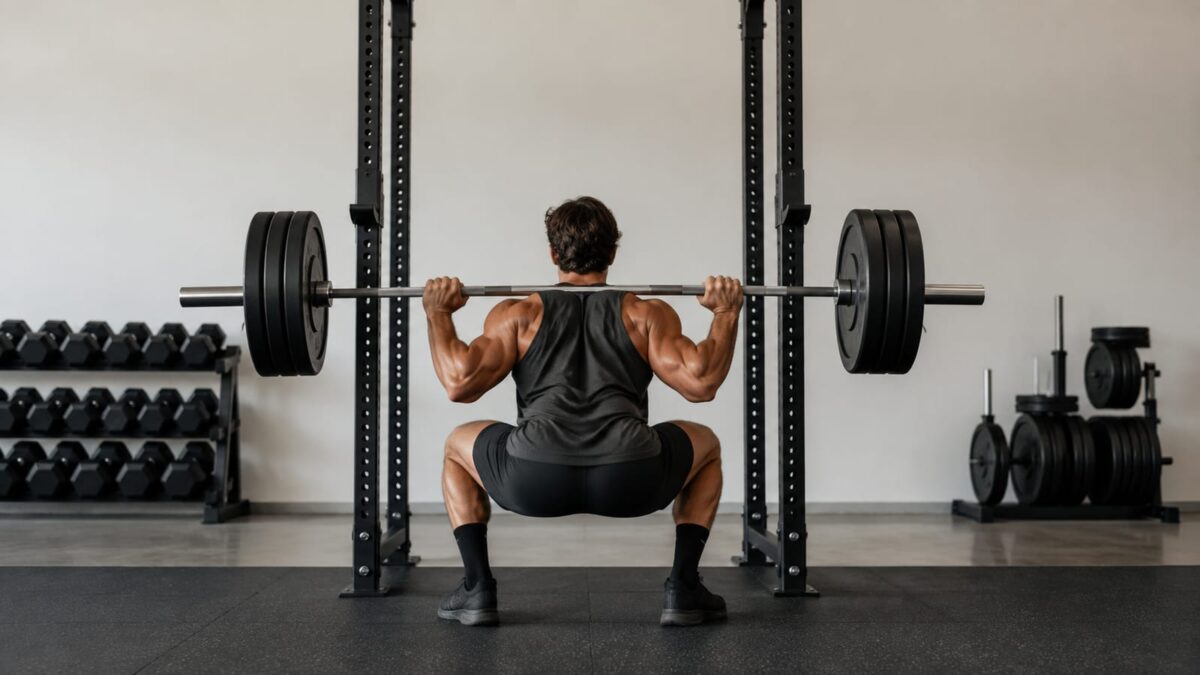
Pauses have a different job. A pause can remove momentum, improve your position, or challenge the point where the exercise usually becomes easy. For example, pause briefly at the bottom of a squat, near the chest during a press, or in the contracted position of a row when that position is safe and stable.
Do not turn every exercise into a slow-motion test. Artificially slow repetitions usually force you to use less load and complete fewer quality reps. If the target muscle receives less useful work, the longer set has done little for you.
Research on repetition duration supports that restraint. Similar hypertrophic responses occur with repetition durations ranging from 0.5 to 8 seconds. The review classified slower repetitions as 1.7 to 4.5 seconds, with an average of approximately 3.5 seconds. Faster repetitions ranged from 0.3 to 2 seconds, with an average of approximately 1 second.
The pooled hypertrophy effects were similar for faster and slower tempos: 0.43 for faster tempos and 0.34 for slower tempos. Those figures don’t mean tempo is irrelevant. They mean slower reps have no automatic claim to superior growth.
Use a controlled eccentric, avoid bouncing, and lift with intent. If the tempo makes your technique better, keep it. If it only makes the set longer and the load smaller, change it.
Build a productive workout with basic movements
A useful time under tension workout doesn’t need unusual exercises. It needs movements you can perform consistently, load sensibly, and progress without wrecking your recovery.
Build the session around these patterns:
- A squat or leg press that lets you repeat the same depth.
- A hip hinge such as a Romanian deadlift that keeps your hips and spine positioned.
- A press such as a bench press or machine press that stays stable under load.
- A pull such as a row or pulldown where momentum doesn’t take over.
- An isolation movement for a muscle that needs more direct work.
Use a moderate rep range for most exercises. Keep the lowering phase controlled, pause only where the pause improves the movement, and stop the set when your next reps would lose their shape.
A simple session could look like this:
| Movement | TUT focus | Progression check |
|---|---|---|
| Squat or leg press | Controlled descent and stable depth | Add reps or load while depth stays consistent |
| Press | Brief pause if it improves control | Beat the previous performance without bouncing |
| Row | Controlled reach and strong pull | Keep the torso still and add work gradually |
| Hip hinge | Slow enough to keep the spine and hips positioned | Stop before the hinge turns into a back movement |
| Curl or extension | Smooth reps and a hard contraction | Add reps before adding a small amount of load |
Perform several working sets per movement and rest long enough to repeat good reps. Heavy compounds deserve more recovery than small isolation exercises. Don’t rush them to chase a clock.
The workout is simple on paper and demanding in practice. That’s the point.
For a broader plan, use a full-body workout three times a week and apply these tempo rules to the movements you already recover from.
Choose exercises by stability and purpose
Choose exercises that give you a stable setup and a clear range of motion. Stability matters because it lets the target muscle work without wasting effort on balance or awkward positions.
Good options include:
- Presses: bench presses, machine presses, dumbbell presses, and overhead presses work well when you can keep the shoulder position consistent.
- Rows: chest-supported rows, cable rows, and machine rows limit the temptation to swing.
- Squats and leg presses: use a controlled descent and consistent depth.
- Hinges: Romanian deadlifts and other hip-dominant lifts work well with a deliberate lowering phase.
- Pulldowns: control the stretch and avoid leaning back to turn the movement into a row.
- Curls: pause near the top if you can keep the shoulder still.
- Raises: use smooth reps and avoid swinging the weight.
- Extensions: cable or machine extensions work well for focused, controlled sets.
The best choice depends on what you can perform without pain and what fits your equipment. Your joints get a vote. A movement that looks impressive but irritates your shoulder is a poor long-term tool.
Use pauses for specific reasons:
- To improve depth or position.
- To remove momentum.
- To challenge a weak point.
- To keep tension on the target muscle.
- To learn a movement pattern.
Skip pauses that make you unstable or force you to use a load too light to progress. Limited training time makes this even more important. Every set should serve a purpose.
How long should a productive set last?

There is no proven stopwatch target that guarantees hypertrophy. The often-repeated 40 to 60-second-per-set target is anecdotal, and research into time under tension remains limited. It has not established that range as an evidence-supported optimal target.
Set duration changes whenever you change your rep speed or repetitions. Movement tempo, total repetitions, and time under tension affect one another. A longer set may reflect more reps, slower reps, or both.
That makes a rigid TUT target a poor training rule. You could reach the target with light, easy repetitions that lack enough effort. You could also fall short of it with a hard, controlled set that gives the muscle a strong stimulus.
Use ordinary hypertrophy loading and challenging sets instead. Keep the range of motion consistent. Make the final repetitions difficult without allowing technique to break down.
What does a slower set actually change?
One leg-extension study helps explain the issue. At 30% of one-repetition maximum, one leg used a 6-0-6 tempo and the other used a 1-0-1 tempo. Each condition used three sets with a 2-minute rest interval, and the slow-tempo condition produced a 6-fold greater time under tension.
Post-exercise muscle biopsies showed significantly greater increases in myofibrillar protein synthesis and intracellular anabolic signaling for the slow-tempo condition. The differences mainly appeared 24 to 30 hours after the training bout.
That result is useful, but it doesn’t settle long-term muscle growth. It involved an acute leg-extension protocol and a large difference in repetition speed. Don’t turn one study into a universal program.
Track performance before stopwatch time
Track repetitions and load first. Use time under tension as a technique and consistency check.
Your logbook should show:
- The exercise and setup.
- The load used and repetitions completed.
- The range of motion.
- How the set looked and felt.
- Whether the target muscle did the work.
If you complete more repetitions with the same load and repeatable technique, that is clear progress. If you add load while keeping the movement controlled, that is also progress.
Time under tension helps you notice when the reps have become rushed. It can also expose a false increase in performance. If you add weight but shorten the range of motion and bounce through the hard position, the logbook is lying by omission.
Don’t track a stopwatch for every set unless timing helps you learn control. Most lifters need a consistent tempo, not another number to obsess over.
The useful question is simple: did you perform more quality work while keeping the target muscle under meaningful tension?
For more detail on loading choices, read this guide to the best rep range for lean muscle growth.
The time under tension myth: longer is not always better
The time under tension myth says that longer sets automatically create more growth. Current evidence does not support time under tension as the primary driver of muscle growth.
Several common mistakes feed the myth:
- Counting seconds instead of measuring performance.
- Treating a deep burn as proof of superior stimulus.
- Using very light weights because slow reps feel harder.
- Taking every set to failure because the muscle is tired.
- Dropping normal progressive overload from the plan.
- Calling momentum-free movement “optimal” even when the load is too low to progress.
The burn tells you the set created local fatigue. It doesn’t tell you that the muscle received the best possible stimulus. A long set can challenge your breathing and discomfort tolerance before it properly challenges the target muscle.
Slow repetitions can still be valuable. They help you learn positions, control momentum, and keep a muscle involved. They also suit some isolation exercises where adding load can irritate a joint.
Use the burn as information, not a verdict. Then check whether your technique and performance improve across repeated sessions.
A tension workout that progresses without excess fatigue
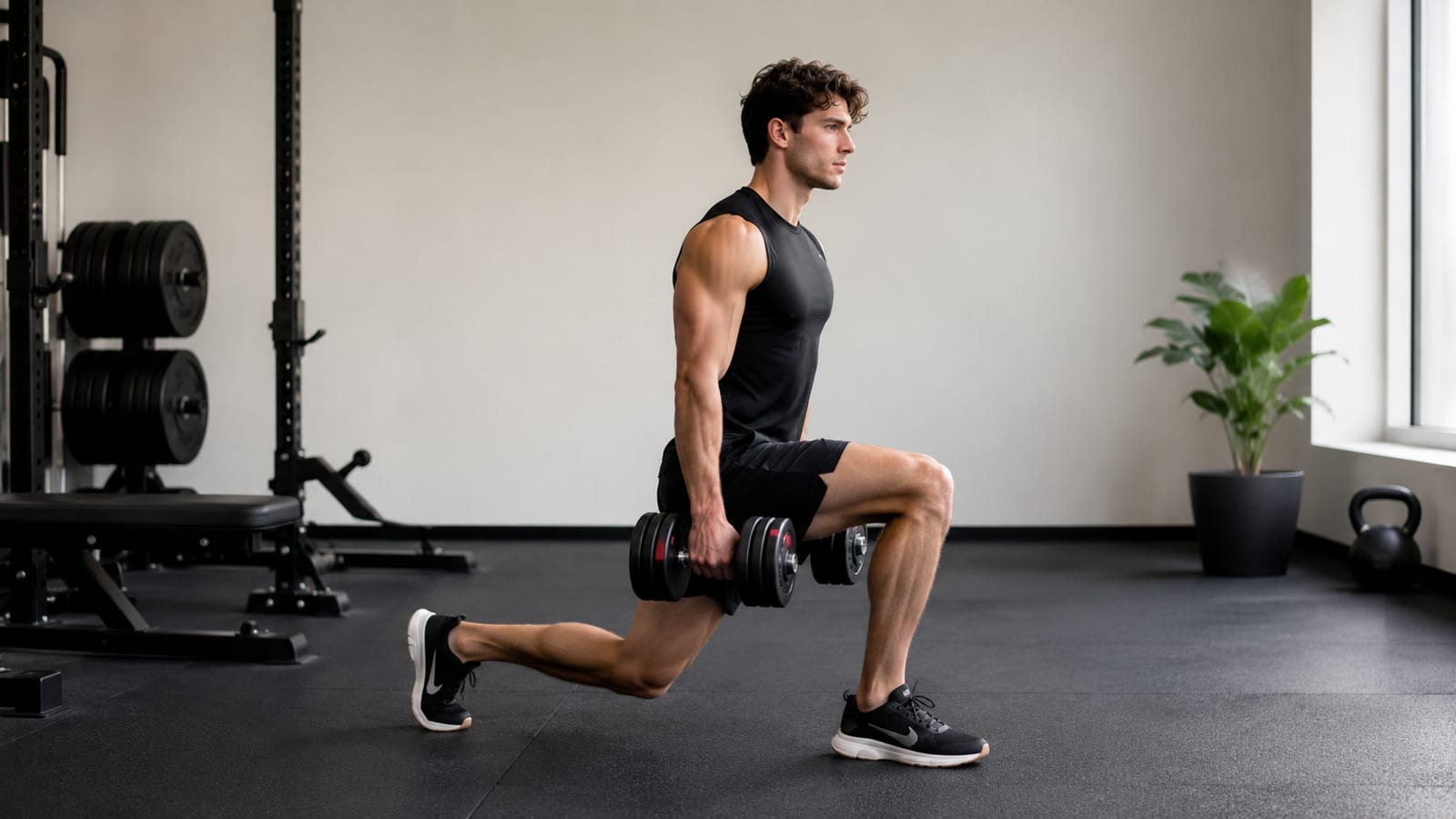
Start each session with stable compound movements. Use a normal deliberate tempo and save longer pauses for exercises where they solve a clear problem.
Follow this structure:
- Choose a squat, press, pull, hinge, and optional isolation movement.
- Use a load that allows controlled repetitions through a full, comfortable range.
- Keep the lowering phase steady instead of dropping the weight.
- Pause only at a position you can hold without losing balance or joint control.
- Stop the set when the next repetition would look different.
- Rest enough to repeat productive work.
- Add reps or load when your technique stays consistent.
- Keep the same approach long enough for the logbook to show a trend.
Leave a few clean reps in reserve on demanding compound lifts. You can push an isolation exercise harder when the setup is stable and the risk is low. Routine failure on heavy squats, deadlifts, and presses creates fatigue that often costs more than it returns.
Food matters too. You need enough total food and protein to support repair and growth. Sleep matters because your training only works if you can recover and come back stronger.
A tension workout should make progress easier to measure. It shouldn’t turn every session into a recovery problem.
Adjust control to the exercise and your recovery
Use more control when your technique needs work, your target muscle keeps losing the movement, or momentum hides the weak point. A pause can also help you learn the hardest position without adding more exercises.
Use a normal deliberate tempo when you’re training heavy stable compounds, trying to add load, or working with limited time. You need enough speed to move the weight with intent. Slow does not mean lazy, and fast does not mean careless.
Reduce extra TUT work when:
- Your loads are falling across sessions.
- Your repetitions are becoming less consistent.
- Soreness lasts long enough to affect the next workout.
- You can’t complete your normal weekly volume.
- The extra pauses make your joints hurt.
- You’re spending more time counting than training.
Increase control when the opposite is true and the change improves the target movement. Keep it if your performance, technique, and recovery remain solid. Skip it if it only adds fatigue.
Who benefits most from TUT training?
Beginners benefit from controlled repetitions because they’re still learning positions and movement patterns. Experienced lifters may use pauses or slower eccentrics to address a weak point or improve a stubborn exercise.
Time-poor lifters can also use it selectively. A stable isolation movement with a controlled tempo can make a small amount of direct work count without adding another complicated exercise.
No one needs to build an entire program around a stopwatch. The plan still has to fit your week.
FAQ
Does time under tension build muscle without heavy weights?
It can support muscle growth with lighter loads if the set is challenging and the muscle works through a useful range of motion. However, lighter loading does not remove the need for effort or progression. Increase reps or load when your technique and recovery allow it.
Should every repetition use a slow eccentric?
No. Control the lowering phase, then use the fastest speed that keeps the position and target muscle consistent. An exaggerated tempo often reduces the load without improving the work that matters.
Does time under tension reduce joint stress?
Controlled reps can reduce momentum and improve positioning, which may make an exercise feel better. They don’t guarantee pain-free training. Change the exercise, range, or load if your joints object.
Can you use time under tension for strength training?
Yes, but strength work still requires practice with heavier loads and efficient technique. Use pauses to improve a position or remove momentum, then return to the loading that lets you build strength.
What should you do first if your muscle growth has stalled?
Check your exercise technique, weekly work, food, sleep, and progression before adding longer tempos. If those basics are in order, use a pause or controlled eccentric on one movement and track whether performance improves. Small changes add up when the plan stays recoverable.
Related on this blog