
Build Capacity Under the Chronic Pain Flare Line

 0
0
 0
0 Managing chronic pain through tailored exercise programs works best when the plan starts below your flare threshold and builds slowly. Use a small set of strength, aerobic, and mobility exercises you can repeat with sound technique. Skip punishing workouts, random variety, and complete rest. The right dose should improve what you can do without creating a setback you can’t recover from.
Last updated: 2026-08-10
Is managing chronic pain through tailored exercise programs effective?
Exercise is one of the most useful tools for chronic pain because it builds physical capacity. Stronger muscles, better endurance, and more confident movement can make work, stairs, shopping, and sleep easier. Those changes matter even when pain doesn’t disappear.
Chronic pain means continuous or recurring pain lasting longer than 3 months under the International Association for the Study of Pain definition. In the CDC's 2023 National Health Interview Survey estimate, 24.3% of U.S. adults had chronic pain lasting 3 months or longer. Another 8.5% had high-impact chronic pain that restricted daily life or work.
Exercise research supports modest improvements in pain and quality of life across several chronic conditions. However, averages don’t tell you which exercise, dose, or pace fits your body. That is why a generic workout sheet often falls short.
Exercise also doesn’t replace medical care. It works alongside diagnosis, medication, physical therapy, sleep support, and other treatment. If someone promises that the right movement will cure every case, skip the sales pitch.
A useful exercise plan makes daily life more manageable and gives you more options. It doesn’t need to remove every symptom before it counts as progress.
How should chronic pain exercise programs be tailored?
Start with what you can do now, not what a healthy adult is supposed to do. Your diagnosis matters, but so do your symptoms, training history, balance, confidence, schedule, and recovery. Two people with the same diagnosis may need different starting points.
First, establish a baseline. Pick a few ordinary tasks and movements that expose your current capacity without trying to prove anything.
You might track:
- How far you can walk comfortably
- How easily you rise from a chair
- Which ranges of motion feel controlled
- How long daily tasks remain manageable
- Which movements cause symptoms later
- How well you recover by the next day
Next, find tolerable versions of useful movement patterns. A chair squat may work better than a deep squat. A supported row may suit you better than a bent-over row. An exercise is only useful if you can perform it well and recover.
| Factor | What to adjust | Practical example |
|---|---|---|
| Pain location | Exercise choice or range | Use a higher chair if deeper knee bending irritates symptoms |
| General fatigue | Session length or exercise count | Keep the main movements and remove optional work |
| Poor balance | Support and setup | Hold a rail or use a stable machine |
| Delayed flare | Total dose | Repeat less work next time instead of quitting |
| Fear of movement | Complexity and pace | Use a familiar movement with a controlled range |
| Good recovery | One training variable | Add reps, resistance, range, or time |
Don’t copy a rehabilitation plan from someone with a different condition. A back pain program, an arthritis program, and a program for widespread pain may share exercises. However, their useful doses can differ sharply.
Which exercises belong in a practical pain management program?
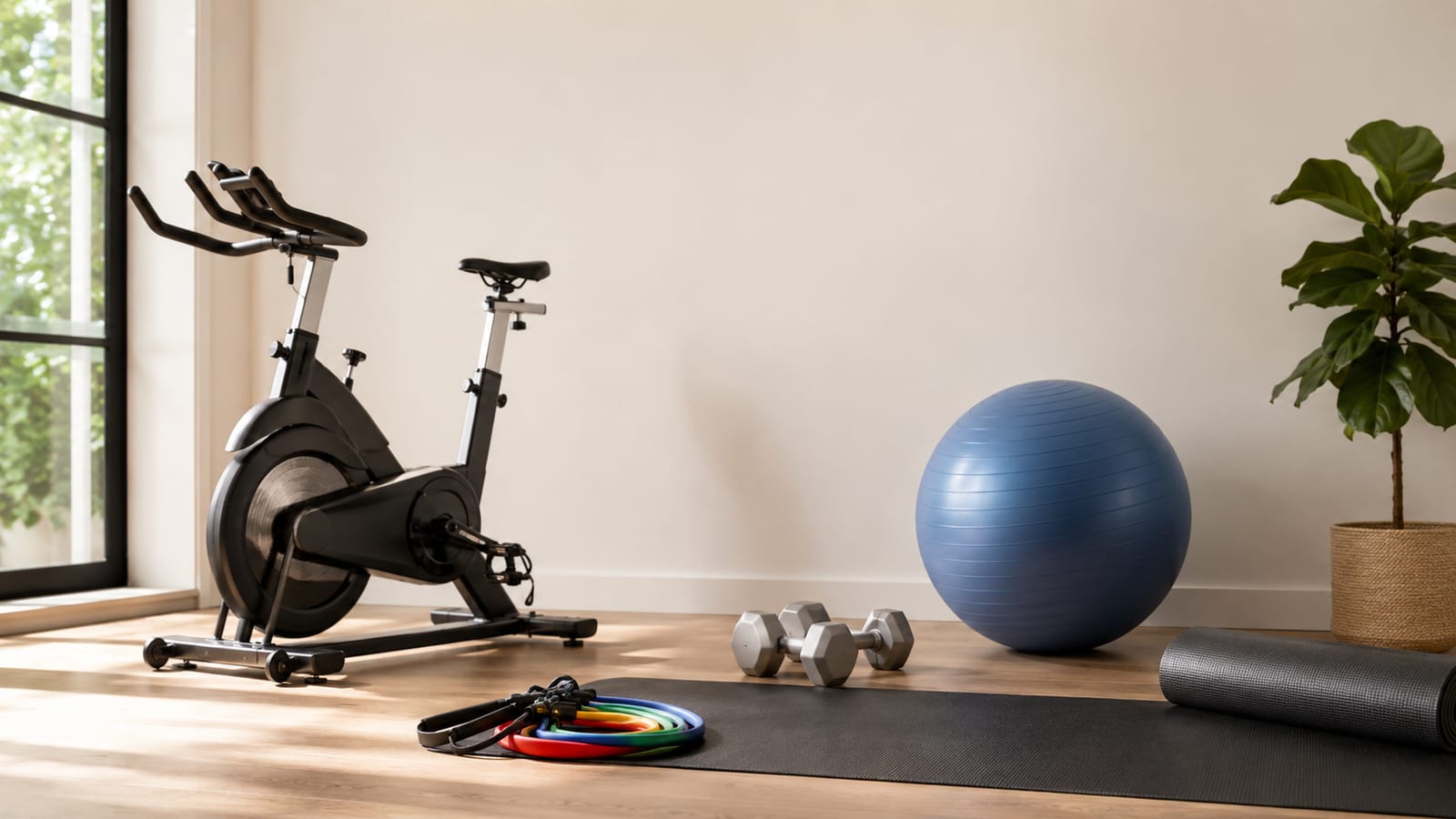
Keep four categories: aerobic work, resistance training, mobility, and targeted therapeutic exercise. You don’t need a crowded list. You need useful movements that make every session serve a purpose.
Low-impact aerobic work
Walking, cycling, pool exercise, and similar activities build endurance without requiring heavy loading. Choose the option that causes the least friction, both physically and practically. A pool is no help if travel makes you skip most sessions.
Start with a duration and pace you can repeat. If continuous activity is too much, break it into shorter bouts across the day. Add time before adding speed or resistance.
Progressive resistance training
Strength work gives your muscles more capacity to support painful joints and complete daily tasks. Useful options include sit-to-stands, step-ups, supported rows, presses, carries, and simple machine exercises. Bands and light weights can work, but they aren’t automatically safer than heavier tools.
The exercise should feel stable enough for you to control. Good reps before more weight.
For a simple starting structure, use a low-impact circuit that protects sensitive joints. Remove any movement that doesn’t fit your symptoms rather than forcing the full circuit.
Mobility work
Mobility practice helps you use a range of motion with control. It may include gentle joint circles, active reaching, controlled rotations, or relaxed stretching. However, chasing extreme flexibility rarely solves persistent pain.
Use mobility to support a task or exercise. If ankle motion limits your squat, work on the ankle. If shoulder motion affects dressing, train the shoulder range you need.
A flexibility-first mobility plan can provide structure. Still, your joints get a vote. More range isn’t better if control gets worse.
Targeted therapeutic exercise
Some conditions need focused work for balance, nerve movement, pelvic control, joint stability, breathing, or a specific movement limitation. This is where assessment by a physical therapist can save months of guessing.
Targeted drills should connect to a clear problem. If nobody can explain what a drill is meant to improve, don’t collect it as another daily chore.
Yoga and tai chi
Yoga and tai chi can improve balance, body awareness, confidence, and general activity. They’re useful additions when the pace and positions suit you. They aren’t mandatory parts of chronic pain exercise programs.
Modify kneeling, deep bending, long holds, or balance demands as needed. A class label such as “gentle” does not guarantee that every position fits your condition.
How can strength training reduce pain without causing a flare?
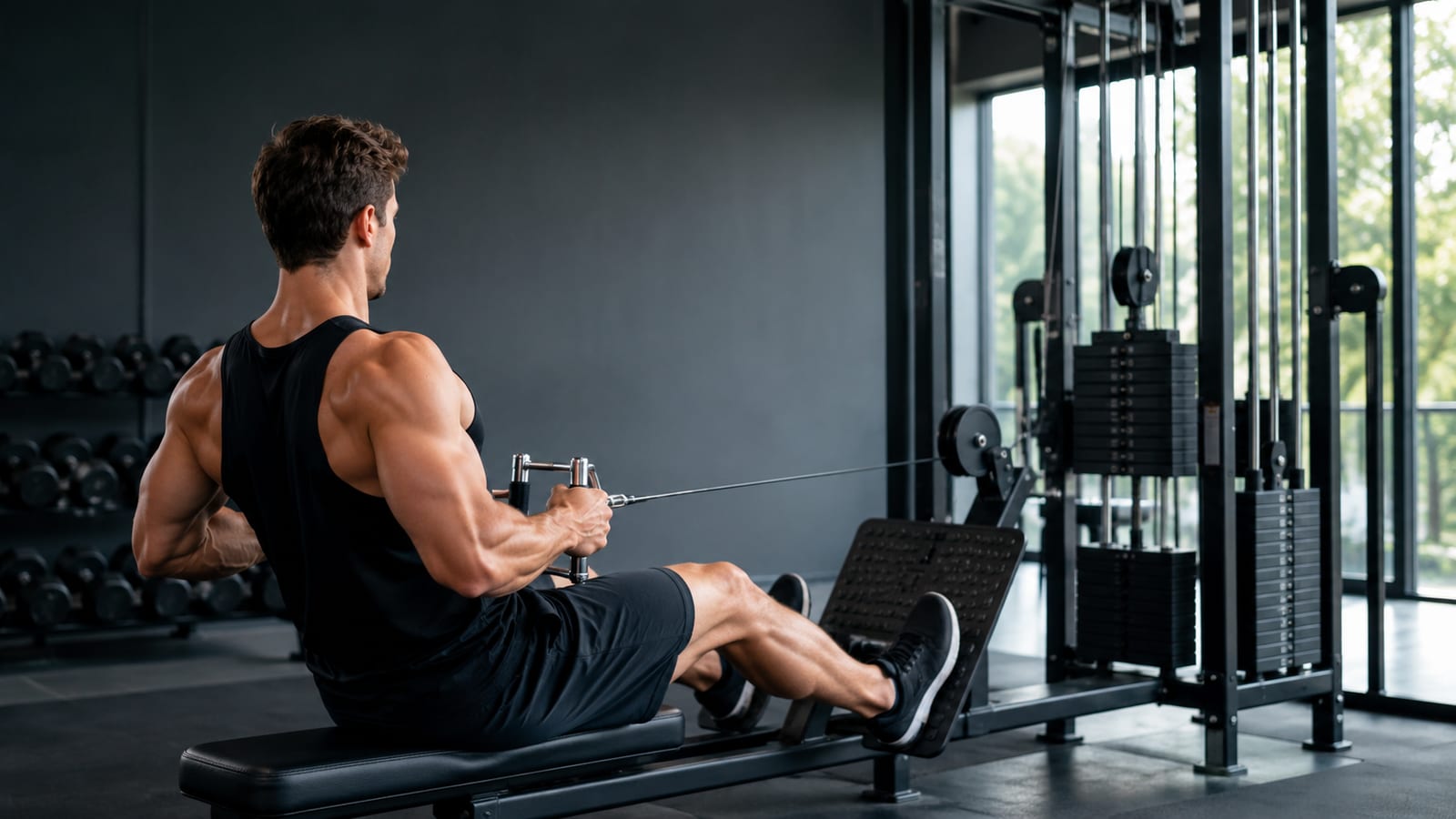
Train with intent, but stop before technique breaks down. You don’t need grinding repetitions or a long exercise list. You need controlled work that your body can recover from.
Use this progression:
- Choose a small movement menu. Cover a knee-dominant leg movement, a hip movement, a press, and a pull where possible.
- Find a tolerable starting version. Adjust support, range, resistance, and tempo until the movement feels controlled.
- Stop before form changes. Leave clean work in reserve instead of testing your limit.
- Repeat the dose. Keep the same plan long enough to judge your response.
- Change one variable. Add weight or reps, increase range, or extend walking time. Don’t raise everything together.
- Review delayed symptoms. Judge the session by what happens later and how you function the following day.
Some discomfort may remain during training. That alone doesn’t mean damage is occurring. However, pain that keeps climbing, changes your movement, or causes a large delayed setback means the dose was wrong.
Don’t progress because the calendar says so. Earn the next increase by completing quality reps and recovering well enough to return.
How much discomfort during exercise is acceptable?
Use a traffic-light system. Pain scores alone are too blunt because the same number can mean different things to different people. Look at symptom quality, movement control, function, and recovery together.
| Signal | What it looks like | What to do |
|---|---|---|
| Green | Familiar, manageable symptoms that stay steady | Continue with controlled technique |
| Yellow | Symptoms rise, movement becomes guarded, or recovery is slower | Reduce range, resistance, speed, or total work |
| Red | Sudden severe pain, new weakness, loss of control, chest pain, fainting, or other alarming change | Stop and seek appropriate medical advice |
A yellow response isn’t failure. It is feedback. Keep the exercise if a smaller dose works, or replace it with a better-tolerated version.
After a flare, don’t restart at the same workload and hope for a different result. Reduce one part of the session, then rebuild from a dose you can recover from. Complete rest can make the return harder unless a clinician has told you it is necessary.
A brief body scan before training can help you notice unusual symptoms. Use it to make a decision, not to search for a perfect pain-free feeling.
What does a time-efficient weekly program look like?
Use two or three full-body strength sessions, regular aerobic activity, and brief mobility work. That is enough structure for most pain management fitness programs. More complexity won’t rescue a plan that doesn’t fit your week.
The CDC physical activity guidelines for adults recommend at least 150 minutes per week of moderate-intensity aerobic activity, such as 30 minutes a day, 5 days a week. They also recommend at least 2 days a week of muscle-strengthening activities.
Treat those guidelines as a destination if your current capacity is lower. Don’t force the full target during your first week and then spend the next one recovering.
| Day type | Main work | Adjustment option |
|---|---|---|
| Strength day | Full-body strength plus brief mobility | Remove optional exercises if fatigue is high |
| Aerobic day | Walking, cycling, or pool work | Split activity into shorter bouts |
| Recovery day | Easy movement or normal daily activity | Keep the pace comfortable |
| Flare day | Reduced range, resistance, or duration | Use a tolerable substitute rather than forcing the plan |
A simple strength session might include a chair squat, supported row, wall press, and hip hinge variation. If one pattern isn’t suitable, use an exercise chosen by your clinician. The categories guide the plan, but they don’t outrank your diagnosis.
How do pacing and recovery prevent setbacks?

Do roughly what you can repeat, even on a good day. The common mistake is doing far more when symptoms ease, then becoming inactive after the flare. That boom-and-bust cycle makes progress hard to measure.
Pacing means setting the work before enthusiasm or fear takes over. You finish the planned dose, record the response, and adjust the next session. This can feel conservative when you have a good day, but sustainable progress is simple on paper and demanding in practice.
Recovery also includes sleep, enough food, hydration, medication timing, and the demands outside training. A difficult workday still uses recovery capacity. The plan has to fit your week, not an imaginary week without stress.
Rest days don’t require complete inactivity. Easy walking, relaxed mobility, or ordinary daily movement may help you stay loose. However, recovery work should feel like recovery.
Why should pain education and mindset be part of the plan?
Pain is real, but it isn’t a perfect damage meter. The nervous system weighs tissue signals alongside stress, sleep, past experiences, expectations, and perceived threat. That helps explain why symptoms can change without a new injury.
This doesn’t mean pain is imaginary. It means the system producing pain can become more sensitive. Dismissing symptoms as psychological is lazy care and poor coaching.
Fear of movement can lead to avoidance. Then strength and endurance fall, daily tasks feel harder, and movement becomes more threatening. Tailored exercise interrupts that cycle by giving you controlled evidence that some movement is safe and useful.
Use practical confidence-building steps:
- Choose predictable exercises
- Keep technique repeatable
- Start below your known flare point
- Record what you completed
- Repeat successful doses
- Progress one variable at a time
Don’t wait to feel fearless before moving. Use manageable movement to build confidence. The goal is informed caution, not forced positivity.
When should physical therapy or medical support guide the program?
Get clinical help when the diagnosis is unclear, symptoms are changing, or ordinary exercise modifications keep failing. A physical therapist can assess strength, balance, gait, joint motion, and movement tolerance. They can also connect exercises to a specific daily goal.
Seek prompt medical assessment for new or worsening weakness, loss of bladder or bowel control, numbness around the groin, chest pain, fainting, unexplained fever, or a sudden severe change. Recent surgery, major trauma, unstable medical conditions, and progressive neurological symptoms also need professional guidance.
Support is also useful when:
- Pain repeatedly stops normal daily activity
- Falls or balance problems are increasing
- Medication affects alertness, heart rate, or coordination
- You cannot identify a tolerable starting point
- A diagnosed condition has clear movement restrictions
- Progress has stalled despite consistent, recoverable training
A physiatrist, or physical medicine and rehabilitation doctor, can coordinate complex rehabilitation. Meanwhile, a physical therapist can build and supervise the movement plan. Your primary care clinician can review medication, red flags, and referrals.
Medical support shouldn’t turn you into a passive patient. A good clinician explains what you can do, what to avoid for now, and how to earn the next increase.
How can you tell whether the tailored plan is working?
Track function before chasing a lower pain score. Pain can vary with sleep, stress, weather, workload, and many other factors. A single rating may hide real progress.
Useful markers include:
- Walking or standing tolerance
- Ease of stairs and household tasks
- Strength with repeatable technique
- Aerobic endurance
- Confidence using a painful area
- Flare frequency and severity
- Recovery after exercise
- Attendance and consistency
- Participation in work, family, or hobbies
Review trends rather than reacting to one rough day. If function improves and flares become easier to manage, keep the plan. If symptoms and daily capacity worsen over repeated sessions, reduce the dose or seek assessment.
Change one variable at a time. Otherwise, you won’t know whether the extra resistance, longer walk, new exercise, or added session caused the problem.
Managing chronic pain through tailored exercise programs is a long build. Small increases add up when the work is repeatable and recovery remains under control.
FAQ
Can I exercise while taking pain medication?
Often, yes, but ask the prescribing clinician how the medication affects balance, alertness, breathing, heart rate, or pain awareness. Medication can make activity possible, but it may also hide warning signs or impair coordination. Avoid testing new limits when you feel sedated or unsteady.
Is pool exercise better than walking for chronic pain?
Neither is automatically better. Water reduces loading and may suit painful joints, balance concerns, or low starting capacity. Walking is easier to access and transfers directly to daily life, so keep the option you can perform consistently.
Do I need a gym for a chronic pain exercise program?
No. A chair, a wall, household steps, bands, and walking routes can cover the basic patterns. A gym becomes useful when machines provide better support or when you need smaller, measurable resistance increases.
Should I wear a brace during exercise?
Use a brace when a qualified clinician recommends it for a clear reason. It may improve stability or confidence, but it shouldn’t replace gradual strength and movement practice without a medical need. Check fit carefully because pressure and skin irritation can create a new problem.
What if morning pain is worse than evening pain?
Schedule demanding exercise when your symptoms and energy are usually more manageable. If mornings are stiff, use easy movement first and place strength work later. Consistency matters more than training at a supposedly ideal time.