Healthy Snacks for Muscle Gain Between Meals

 0
0
 0
0 What if the secret to building real strength isn’t found in the gym, but in what you eat when you’re not working out?
You lift hard. You show up. But progress feels slow. Here’s the truth: your main workout is only part of the story. What you do in the hours between meals determines whether your effort turns into real growth.
Research proves strength training is just as crucial for a long, vibrant life as cardio. Yet, after 40, maintaining mass gets harder. Your body needs consistent support.
We’re cutting through the fitness noise. This isn’t about complicated diets or magic pills. It’s about smart, simple fuel. The right nutrition keeps your energy stable and tells your body to build, not break down.
Let’s get you the honest, science-backed guidance you deserve. So you can see the results your hard work demands.
Key Takeaways
- Building strength depends heavily on what you eat outside your main meals.
- Consistent nutrition supports recovery and tells your body to grow.
- Strength training is vital for longevity, just like cardiovascular exercise.
- Muscle mass naturally becomes harder to maintain as we age.
- Simple, protein-rich choices can transform your progress.
- Focus on whole-food fuel to keep energy levels high all day.
- Your diet should work for your real-life schedule and goals.
Healthy Snacks for Muscle Gain Between Meals: Kickstarting Your Nutrition
Let’s cut to the chase: your nutrition plan is only as strong as its weakest link—the gaps between breakfast, lunch, and dinner.
What you eat during those stretches determines everything. It’s the difference between steady energy and crashing, between growth and stagnation.
Many people sabotage their progress without knowing it. They grab processed options that spike blood sugar, then leave them hungry an hour later. That cycle destroys your diet and your drive.
Here’s the truth. Dietary protein is your secret weapon for control. It helps you feel fuller, longer. This isn’t just about weight—it’s about giving your body what it needs to rebuild.
Your tissues demand repair after every session. A steady supply of protein delivers the raw materials. Regular intake is non-negotiable for lifelong cell repair.
Choosing the right food stabilizes your energy. It tells your body to build, not break down. Think whole, protein-rich choices.
Your overall health hinges on consistent habits. Smart snacks bridge the gap effortlessly. We’ll show you how they fit a crazy schedule, so you never sacrifice progress for convenience.
Understanding the Role of Protein in Muscle Recovery
Think of your muscles as a construction site that never closes.
Demolition and rebuilding happen around the clock. Protein is the delivery truck with the essential bricks and mortar. Without it, progress halts.
Protein’s Impact on Muscle Repair
Here’s what happens after you consume protein. Your body breaks it down into amino acids.
These acids are the fundamental building blocks. They travel to damaged tissue and initiate repair. This process fixes the micro-tears from your last workout.
Without a consistent supply, your body starts breaking down more than it builds. You lose ground.
Why Regular Protein Intake Matters
Research is clear. Your system can only process about 20 to 40 grams of protein at one time.
Eating a massive amount doesn’t help. The surplus isn’t used for growth. It’s often stored.
Spreading your intake across the day is the smart move. It provides a steady stream of nutrients. This keeps your recovery engine running and your metabolism active.
Your body thrives on consistency, not feasts and famines.
| Amino Acid | Key Food Sources | Primary Role in Recovery |
|---|---|---|
| Leucine | Chicken, Eggs, Lentils | Triggers muscle protein synthesis directly |
| Valine | Beef, Soy, Cheese | Promotes muscle endurance and tissue repair |
| Isoleucine | Fish, Nuts, Whey | Regulates energy and aids in glucose uptake |
| Lysine | Pork, Tofu, Pumpkin Seeds | Essential for collagen formation and calcium absorption |
| Methionine | Turkey, Brazil Nuts, Yogurt | Initiates protein synthesis and reduces muscle breakdown |
Grasping this biological reality transforms your approach. You move from guessing to strategic fueling.
Nutritional Science Behind High-Protein Snacks
Forget the hype—the real power of a smart eating plan lies in the cold, hard numbers.
Here’s the truth. The official recommendation for daily protein is 0.8 grams per kilogram of your body weight. That’s roughly 0.36 grams per pound.
Let’s break that down. For a 180-pound person, that’s about 65 grams daily. This is the baseline—the minimum to prevent deficiency.
Your actual needs are higher. They shift with your activity and goals. Lifting weights? You need more raw material for repair.
This is where strategic choices shine. A high-protein option keeps your calories in check. It provides deep satiety, stopping you from overeating later.
Every intentional serving supports your overall diet. It’s not just about building tissue.
Prioritizing protein fuels your metabolism. It tells your system to build, not store. That’s the science of smart fueling.
Top Protein Sources: Animal vs. Plant-Based
The real question isn’t ‘animal or plant?’ It’s ‘complete or incomplete?’
Your body needs all nine essential amino acids to rebuild. Animal-based foods—like meat, seafood, and dairy—are typically the highest in protein and deliver that complete profile.
But plant-based sources can compete. Take edamame. One cup provides a solid 18 grams of protein and every essential amino acid your system requires.
If you choose fish, you get a double win. High-quality protein pairs with omega-3 fatty acids. This supports your long-term cardiovascular health.
Beans and legumes are excellent staples. They offer fiber alongside their protein content. This keeps you full and supports steady energy.
Here’s the truth. Mixing up your sources is the smart play. It ensures a wide variety of vitamins and minerals. That variety is vital for peak physical performance.
Delicious Greek Yogurt and Cottage Cheese Ideas
Let’s talk about two dairy powerhouses that turn snacking into strategic recovery.
They’re simple, creamy, and packed with what your body craves after effort.
Here’s the truth. These aren’t just side dishes. They’re your frontline fuel for growth.
Creamy Greek Yogurt Benefits
Forget regular yogurt. Greek yogurt is in a different league.
A 3/4-cup serving delivers a solid 17 grams of protein. That’s a serious amount for tissue repair.
It keeps you full and focused. The thicker texture means more satisfaction per spoonful.
Your bones get a boost, too. The calcium content supports your skeletal strength as you build.
Cottage Cheese as a Versatile Snack
Now, let’s get creative with cottage cheese.
A half-cup of the low-fat kind has about 14 grams of protein. It’s incredibly filling.
The beauty is its flexibility. Go sweet with berries and a drizzle of honey.
Or make it savory with cracked pepper and cherry tomatoes. It adapts to your craving.
Like its creamy cousin, it provides essential calcium. This supports long-term structural health.
Both options are straightforward wins. They offer high-quality protein without complicating your day.
Incorporating Nuts and Peanut Butter for Added Power
Stop thinking of nuts and spreads as just toppings—they’re your on-demand power stations.
Your body craves dense, portable fuel. These options deliver.
Let’s talk numbers. Two tablespoons of peanut butter pack a solid 7 grams of protein. That’s a convenient punch for tissue repair.
Just watch your portion. This butter is calorie-dense. A little goes a long way for satisfaction.
Whole nuts work the same magic. An ounce of shelled peanuts also gives you 7 grams of protein.
Almonds and pistachios are excellent choices, too. They help you power through your day with steady energy.
Their secret? Healthy fats and fiber promote deep fullness. This makes them a strategic tool for appetite control.
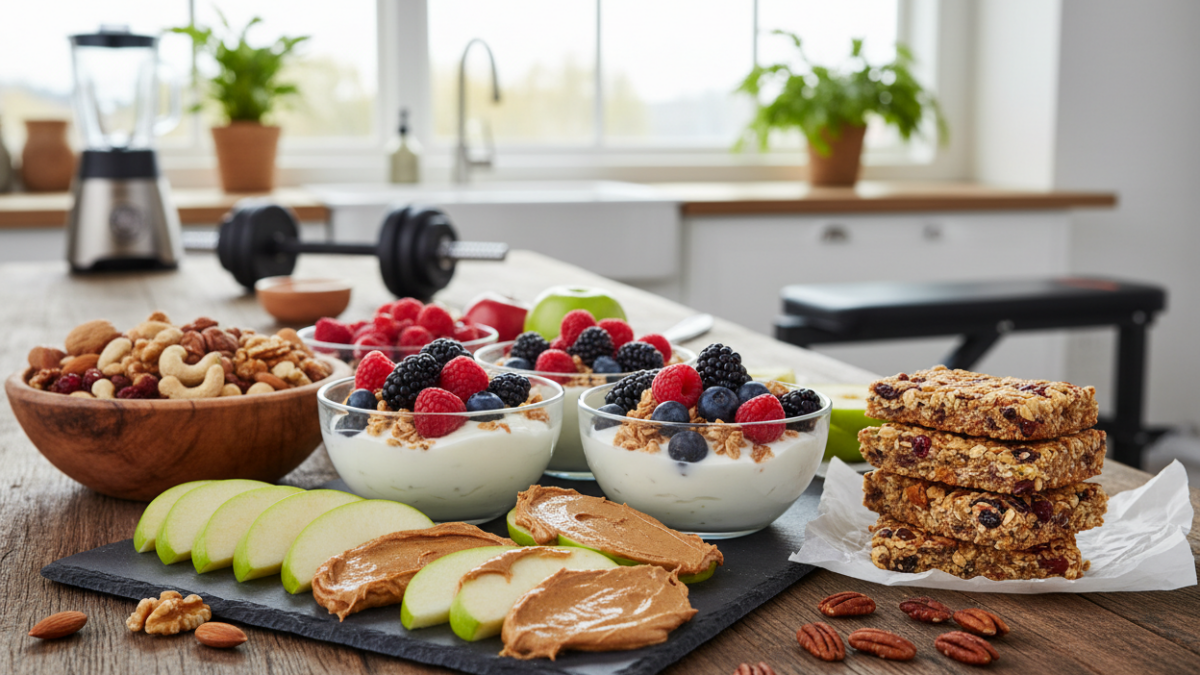
Spread some peanut butter on apple slices or celery sticks. You get a quick, nutrient-dense option.
It balances fats with muscle-building protein. Keep a jar of nut butter in your desk or gym bag. You’ll always have reliable energy on hand.
| Option | Serving Size | Protein (g) | Key Note |
|---|---|---|---|
| Peanut Butter | 2 tbsp | 7 | Extremely convenient; monitor portion size. |
| Almonds | 1 oz (23 nuts) | 6 | High in Vitamin E and magnesium. |
| Pistachios | 1 oz (49 kernels) | 6 | Great for mindful, shell-on snacking. |
| Mixed Nuts | 1 oz | 5-7 | Provides a variety of nutrients in one handful. |
Here’s the truth. These aren’t just casual bites. They’re calculated fuel for growth.
Use them to bridge gaps intelligently. That’s strategic fueling.
Energy-Boosting Seeds: From Pumpkin to Chia
Don’t overlook the tiny giants of nutrition sitting in your pantry.
These seeds are concentrated power. They deliver a serious punch in a small package.
Comparing Pumpkin and Chia Seeds
Let’s break down the numbers. One ounce of shelled pumpkin seeds gives you 8 grams of protein.
That’s a fantastic amount for tissue repair. You also get essential minerals like magnesium and zinc.
Now, look at chia. Two tablespoons provide 5 grams of protein. Their real strength is omega-3 fatty acids.
This supports your long-term heart health. Both options are incredibly versatile.
| Seed Type | Serving | Protein (g) | Key Nutrients | Best Use |
|---|---|---|---|---|
| Pumpkin Seeds | 1 oz | 8 | Magnesium, Zinc | Crunchy trail mix, salad topping |
| Chia Seeds | 2 tbsp | 5 | Omega-3s, Fiber | Mixed into yogurt, smoothies, or pudding |
Why Regular Protein Intake Matters
Here’s the truth. Your body craves a steady supply of building blocks.
Scattering these seeds throughout your day is a smart tactic. It keeps your recovery engine humming.
The fiber and protein in these pumpkin seeds and chia work together. They help stabilize your blood sugar.
This prevents the energy crashes that follow sugary options. Toss them in a bag for a quick, portable boost.
Sprinkle them over a meal. You’re adding strategic fuel without stopping your day.
Hearty Options: Jerky and Hard-Boiled Eggs for Quick Protein
Forget complicated prep—these are the grab-and-go staples that never let you down.
You need fuel that travels. Beef jerky is a classic for a reason. It’s shelf-stable and packed with power.
One ounce delivers a solid 10 grams of protein. That’s serious support for tissue repair when you’re on the move.
If you prefer poultry, chicken jerky is another excellent choice. It also provides 10 grams of protein per ounce while keeping fat low.
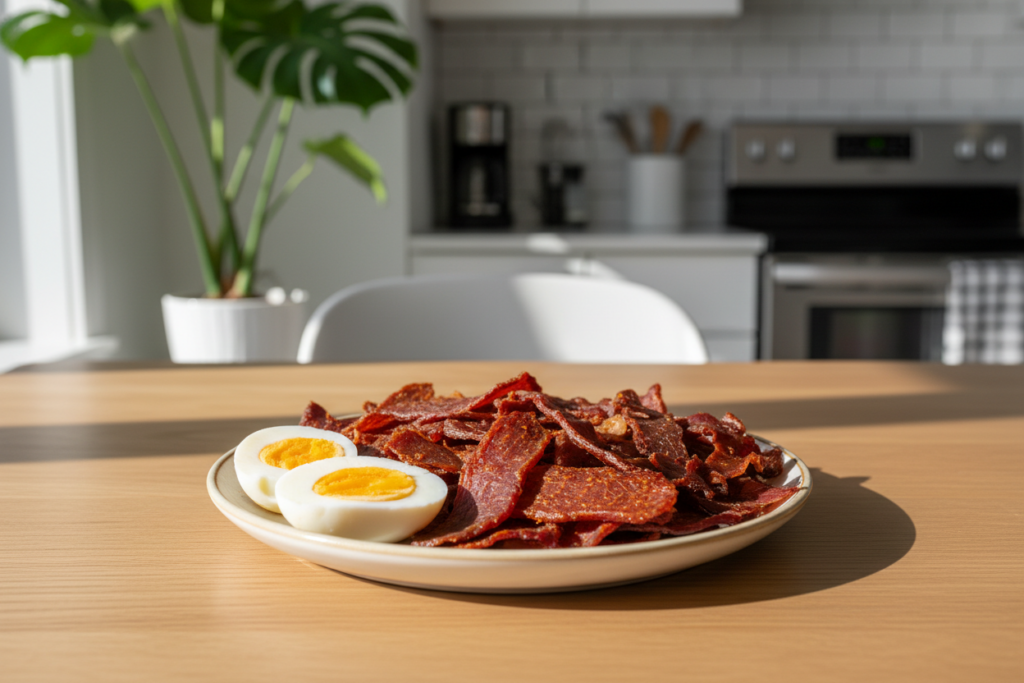
Now, let’s talk about eggs. Hard-boiled eggs are incredibly versatile.
Each large egg gives you 6.3 grams of high-quality protein. Your muscles get the raw materials they crave.
Prepare a batch at the week’s start. You’ll have a quick, protein-rich option ready in your fridge.
These savory picks are perfect after effort. They supply the essential amino acids your body needs to repair. For more ideas on supporting recovery, explore these top gut-friendly post-workout snacks.
Here’s the truth. Convenience doesn’t mean compromise. These options deliver.
Homemade Snacks to Maximize Muscle Gains
Take control of your kitchen, and you take control of your gains.
Here’s the truth. Store shelves are packed with promises and hidden sugar. Making your own foods puts you in charge.
You decide the ingredients. Start with granola. Ditch the store-bought version loaded with sweeteners. Customize yours with extra nuts and seeds.
This simple swap boosts protein and slashes empty calories. Your body gets the right fuel.
No-bake energy bites are another win. Combine oats, nut butter, and a scoop of protein powder. They’re perfect for a crazy day.
Batch-cook these items on Sunday. You’ll save time all week. A ready supply stops you from reaching for inferior options.
These homemade choices deliver a balanced mix. They provide steady energy and the nutrients your tissues need to grow.
Your effort turns into real muscle gain. That’s the power of smart, intentional foods.
Smart Savory Snack Choices for Post-Workout Recovery
Ever feel that post-workout slump where your body craves something substantial, not sweet? That’s a signal you should listen to.
Here’s the truth. After exertion, you lose more than calories. You sweat out vital electrolytes and minerals.
Savory foods are perfect for replenishing them. They help your system rebalance and truly recover.
Let’s talk about two powerhouse options. First, a simple lentil salad.
One cup of cooked lentils delivers a solid 18 grams of protein. That’s serious plant-based fuel for tissue repair.
Craving a crunch? Air-pop three cups of popcorn. Toss it with a tablespoon of nutritional yeast.
You just added 3 extra grams of protein for almost no calories. It’s a savory, satisfying win.
| Savory Snack | Protein Power | Why It Works for Recovery |
|---|---|---|
| Lentil Salad | 18g per cup | Packs fiber and iron to replenish minerals lost in sweat. |
| Popcorn + Nutritional Yeast | +3g per 3 cups | Provides a low-calorie, crunchy source of B-vitamins for energy. |
Choosing savory over sweet does more than satisfy a craving. It helps regulate your appetite.
This simple switch prevents the sugar crashes that can derail your progress later. Your willpower stays strong.
Incorporating beans and legumes into your rotation is a smart move. It supports your gut health while meeting daily protein needs.
These snacks deliver the essential nutrients your body demands. That’s how you fuel recovery intelligently.
Sweet High-Protein Treats to Fuel Your Day
Craving something sweet doesn’t have to derail your progress—it can fuel it.
Here’s the truth. Your body often wants a reward. Smart choices turn that desire into growth.
Take cooked quinoa. One cup delivers 8 grams of complete protein. It’s a gluten-free grain that makes a fantastic sweet porridge.
Just add cinnamon and a touch of honey. You satisfy your craving without the sugar crash.
Pairing fresh fruit with a protein source is another win. Think apple slices with peanut butter.
You get fiber for digestion and protein for repair. This balance powers your entire day.
These treats are designed for satisfaction. They provide essential nutrients while curbing sweet tooth impulses.
Your long-term health benefits from this consistency. Stable energy keeps you focused and productive.
| Sweet Treat | Serving | Protein (g) | Key Benefit |
|---|---|---|---|
| Quinoa Porridge | 1 cup cooked | 8 | Gluten-free base with complete amino acids |
| Apple with Peanut Butter | 1 medium apple + 2 tbsp | 7 | Fiber and protein balance for lasting energy |
| Greek Yogurt & Berries | 3/4 cup yogurt + 1/2 cup berries | 17 | High protein with antioxidants for recovery |
Experiment with toppings like cocoa nibs or vanilla. You keep your snacks interesting without artificial junk.
Consistent intake is the real secret. It tells your body to build, not store. That’s how you fuel growth intelligently.
Portable Protein: Snacks for the Busy Lifestyle
When time is your scarcest resource, your nutrition can’t afford to be complicated.
You need power that moves with you. Here’s the truth: skipping fuel sets you back. Your body’s repair work doesn’t stop because your calendar is full.
Enter canned salmon. A three-ounce serving delivers a powerful 19 grams of protein. That’s serious support for tissue repair.
Single-portion pouches make this fish incredibly easy. Toss one in your bag and you’re set. No refrigeration needed.
This convenience is a game-changer. It stops you from grabbing fast food that derails progress. Your day stays on track.
Beyond protein, salmon provides omega-3s for heart health. It’s also rich in B vitamins and selenium. These nutrients keep your immune system strong.
| Portable Option | Serving | Protein (g) | Key Benefit |
|---|---|---|---|
| Canned Salmon | 3 oz | 19 | No prep needed, high in omega-3s |
| Beef Jerky | 1 oz | 10 | Shelf-stable, high in iron |
| Hard-Boiled Eggs | 2 large | 12.6 | Complete protein, ready to eat |
| Single-Serve Greek Yogurt | 1 container | 15-20 | Provides calcium, requires cooling |
Having these snacks ready ensures your muscles get fed. They turn a hectic schedule into a strategic advantage.
Your consistency is what builds lasting strength. Portable protein makes that possible.
Creative Ways to Blend Nutrition with Flavor
What if the most powerful tool for sticking to your goals wasn’t willpower, but your taste buds?
Here’s the truth. Bland fuel is a chore. Your body responds better to foods that excite you. This isn’t about gourmet cooking. It’s about smart, simple upgrades.
Start with your plain yogurt. A sprinkle of curry powder or red pepper flakes transforms it. You add zero calories but a huge flavor punch. This makes your protein intake something you actually enjoy.
Next, think about combining sources. Mix beans with seeds or grains. This creates a more complete amino acid profile for your body. Your system gets all the building blocks it needs in one satisfying bite.
These small tweaks have a big impact on your long-term health. When food tastes good, you’re more likely to stay consistent. That consistency is what builds real results.
| Base Food | Flavor Boost | Added Benefit | Best For |
|---|---|---|---|
| Plain Greek Yogurt | Curry Powder, Fresh Dill | Enhances satiety without sugar | Savory dips, post-workout |
| Canned Chickpeas | Lemon Juice, Smoked Paprika | Boosts vitamin C for absorption | Quick salads, spreads |
| Cooked Quinoa | Cinnamon, Orange Zest | Adds antioxidants | Sweet breakfast bowls |
| Hard-Boiled Eggs | Everything Bagel Seasoning | Provides extra minerals | On-the-go fuel |
Get creative with your daily routine. A pre-workout smoothie for muscle gain is a perfect canvas. Blend in spices like ginger or cacao for a flavor adventure.
These adjustments make hitting your protein goals effortless. You’re not on a restrictive diet. You’re crafting delicious foods packed with the nutrients your body craves. That’s how you win the day.
Expert Insights on Building Muscle with Nutritious Snacks
There’s a gap between gym-floor chatter and what the nutrition experts actually prescribe. Sports nutritionists see the bigger picture—they know what truly moves the needle for your body.
Tips from Sports Nutritionists
Here’s the truth they all agree on. Your total daily intake of calories and protein is what drives growth. It’s not just about one perfect meal. This is where developing mindful eating habits creates a powerful foundation.
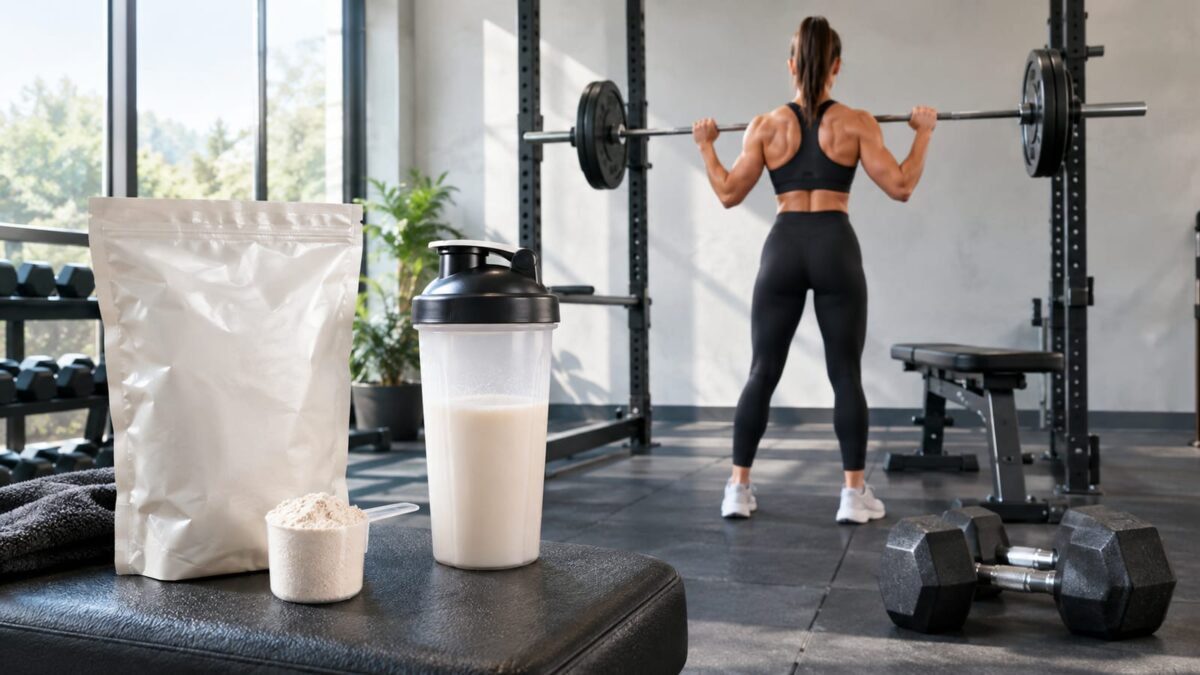
For hitting targets, a scoop of whey protein provides about 25 grams. It’s a convenient solution post-workout. Adding milk to your smoothie does more. It offers a high-quality protein boost and supports rehydration.
Using Greek yogurt as a base is a master strategy. It increases your protein intake while keeping your overall intake manageable. Experts love its versatility.
| Strategy | Protein Boost | Key Expert Benefit |
|---|---|---|
| Post-Workout Whey Shake | ~25g per scoop | Fast, convenient absorption to kickstart repair. |
| Milk in Oats & Smoothies | 8g per cup | Supports rehydration and provides sustained energy. |
| Greek Yogurt Base | 17g per 3/4 cup | High satiety, versatile for sweet or savory toppings. |
The professional advice is clear. Focus on whole foods first. Use supplements like whey protein when you need a quick, reliable solution. This balanced approach fuels your day and your progress.
Balancing Calorie Intake with Nutrient Density
Here’s a fact that changes everything: not all calories are created equal when it comes to fueling your progress.
You can hit a number and still miss what your system truly needs. Nutrient density is the game. It means every calorie packs a punch of vitamins and minerals.
Data from 38 studies on 2 million adults is clear. Maintaining strength is linked to a lower risk of death. Your long-term health depends on this balance.
Colorful fruits and vegetables are your allies. They help reduce inflammation and support your immune system. This isn’t just about weight—it’s about building a resilient body.
Smart Serving Suggestions
Portion control is your secret weapon. Use a small bowl for calorie-dense foods like nuts. This simple trick manages intake without sacrifice.
Prioritize foods rich in protein, vitamins, and minerals. They keep you satisfied longer. This makes maintaining a healthy weight easier while you build.
Your consistent choices build lasting health. Each smart serving supports recovery and growth. That’s how you turn fuel into real strength.
Conclusion
You’ve got the plan. Now, the real work begins in the quiet moments between your structured meals.
Here’s the truth. Consistent, high-protein choices are what turn effort into results. They supply the essential building blocks your body demands for repair and long-term health.
You now have a toolkit of powerful snacks. Use them to fuel your day and support growth. Stay committed. To dive deeper into making every bite count, explore these strategies to master nutrient timing.
Your dedication to smart protein intake is the final, non-negotiable step. It’s how you build the strength your hard work deserves.
FAQ
How often should I eat a high-protein snack?
Think about spacing them between your main meals—every 3 to 4 hours is a solid rule. This keeps amino acids flowing to your muscles, which tells your body to build, not break down. It’s not about clock-watching, but about consistent fuel.
What’s the best quick protein source if I’m plant-based?
A> You’ve got great options. A scoop of chickpeas with a drizzle of tahini, a serving of edamame, or a smoothie with soy milk and pumpkin seeds. The goal is combining foods to get all essential amino acids. Don’t sleep on lentils or a good tempeh strip.
Is peanut butter a good choice for building muscle?
A> Absolutely—it’s a calorie-dense powerhouse. Two tablespoons of a brand like Kirkland Signature give you healthy fats and about 8 grams of protein. Pair it with apple slices or whole-grain toast. Just watch portions; those calories add up fast.
Can I just drink a protein shake instead of eating solid food?
A> Shakes are convenient, but whole foods win. A cup of Fage Greek yogurt or cottage cheese provides protein, plus nutrients like calcium that a shake often lacks. Use shakes as a tool, not a crutch. Your body benefits from the variety.
I’m always on the go. What are the best portable options?
A> Grab a single-serve tuna pouch, a hard-boiled egg, or a bag of almonds. Beef jerky (look for low-sodium brands) is another winner. Prep is key—spend 20 minutes on a Sunday packing these, and you’re set for the week.
How important are vitamins and minerals in my snacks?
A> Crucial. Protein builds, but nutrients like magnesium (found in almonds) and zinc (in pumpkin seeds) support the process. They help with energy metabolism and recovery. A diet rich in colorful, whole foods covers these bases naturally.
Related: A Simple 10-Minute No-Bake Protein Bar Formula