High Intensity Kettlebell Exercises for Full-Body Burn

 0
0
 0
0 Did you know that high intensity kettlebell exercises can torch up to 400 calories in just 20 minutes? That’s the kind of efficiency and effectiveness we all strive for in our fitness routines! Kettlebell workouts are celebrated for their ability to deliver a comprehensive full-body burn that not only builds strength but also enhances endurance and accelerates calorie burning.
Crafted from cast iron or steel, these cannonball-shaped weights offer a unique challenge due to their off-centre mass. Unlike traditional dumbbells, kettlebells engage multiple muscle groups simultaneously and require core stabilization, resulting in a more dynamic and functional workout. Perfect for those looking to maximize results in minimal time, kettlebell exercises blend cardiovascular, strength, and flexibility training into a single session.
Ready to elevate your fitness game with high intensity kettlebell exercises? Dive in and discover how these powerful tools can revolutionize your workout routine and provide the full-body conditioning you’ve been seeking.
Why Choose Kettlebell Workouts for Full-Body Conditioning

Workouts using kettlebells are becoming more and more popular because of how effective and efficient they are for exercising the entire body. They promote functional fitness, which improves daily activities, by fusing aerobic and strength training components. You may work out for a shorter amount of time and work more than one muscle area at once by using a kettlebell.
Benefits of Kettlebell Training
High-intensity kettlebell exercises offer a dynamic and effective approach to enhancing your fitness routine. The unique design of kettlebells enables a range of powerful movements that can significantly boost your strength, flexibility, balance, and coordination. When you engage in high intensity kettlebell exercises, you’re not just working out—you’re engaging in a comprehensive full-body workout that also promotes functional fitness. This means the skills you develop with these exercises can translate into better performance in daily activities and other physical challenges.
What sets high intensity kettlebell exercises apart is their remarkable calorie-burning potential. They are excellent for those looking to shed pounds and tone muscles. By combining elements of strength training with cardio, these workouts elevate your metabolism and help you maintain a healthy body weight. Studies have shown that incorporating high intensity kettlebell exercises into your fitness regimen can lead to significant improvements in overall physical fitness and well-being. So, whether you’re aiming for weight loss, muscle toning, or simply a more effective workout, high intensity kettlebell exercises offer a versatile and powerful solution.
Efficiency and Effectiveness
One of the standout benefits of high intensity kettlebell exercises is their remarkable efficiency. With just one versatile piece of equipment, you can achieve a time-effective workout that delivers impressive results. Kettlebell training combines both grinding lifts and ballistic movements, providing a wide range of exercises that cater to various fitness levels and objectives.
Integrating kettlebells into your workout routine not only saves time but also ensures you’re enhancing both your strength and cardiovascular fitness at the same time. Whether you’re just starting out or you’re a seasoned athlete, kettlebell exercises are easily scalable and can be tailored to meet your specific fitness goals. This makes high-intensity kettlebell workouts an ideal choice for anyone seeking a comprehensive, full-body workout in a condensed timeframe.
Essential Equipment for Your Kettlebell Routine

Starting with kettlebell training is straightforward and doesn’t require a lot of equipment. The most essential item you need is a well-chosen kettlebell. Selecting the right weight is crucial for ensuring both safety and effectiveness. Beginners should begin with lighter weights to perfect their technique before moving on to heavier options.
For added versatility and convenience, consider investing in adjustable kettlebells. These space-saving tools allow you to easily change weights between exercises, accommodating various fitness levels and workout goals.
In addition to kettlebells, a high-quality exercise mat can be a valuable addition to your setup. It not only protects your floors but also provides the stability you need during your workouts. Gloves or wrist guards can be helpful in enhancing comfort and preventing blisters or calluses.
For those looking to keep their equipment organized, a kettlebell rack can be a great investment. It helps keep your kettlebells neatly arranged and easily accessible, improving your overall workout experience.
Here’s a quick summary of essential and optional gear for your kettlebell training:
| Equipment | Purpose | Essentials | Optional |
|---|---|---|---|
| Kettlebell | Main workout tool | ✔️ | ❌ |
| Adjustable Kettlebell | Versatility in weight | ✔️ | ❌ |
| Exercise Mat | Floor protection and stability | ❌ | ✔️ |
| Gloves/Wrist Guards | Comfort and protection | ❌ | ✔️ |
| Kettlebell Rack | Organized storage | ❌ | ✔️ |
High Intensity Kettlebell Exercises to Get Started
Are you prepared to start doing intense kettlebell exercises? These three fundamental workouts will get you going on your path. These workouts improve cardiovascular endurance in addition to strength.
Goblet Squats
A key component of kettlebell training is goblet squats. They focus on the glutes, hamstrings, and quadriceps. Your core and upper body are better engaged when you squat with the kettlebell close to your chest. This full-body workout improves stability.
Kettlebell Swings
In kettlebell training, kettlebell swings are legendary. They target every muscle in the posterior chain, which includes the shoulders, back, glutes, and hamstrings. They also work wonders to increase cardiovascular endurance. For best results, strive for calm, fluid movements.
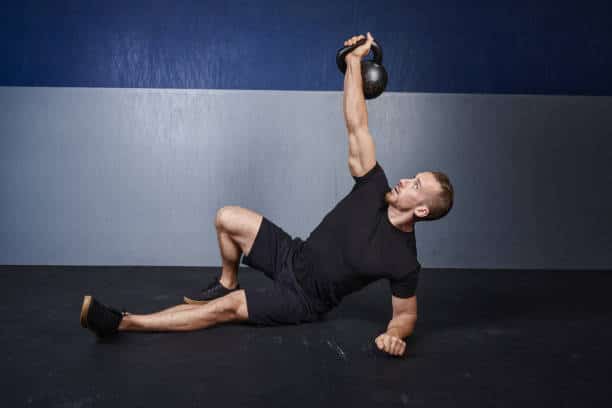
Turkish Get-Ups
Turkish facials are more intricate but also very advantageous. This workout increases functional strength in a variety of muscles and joints. It’s an excellent full-body exercise that puts a focus on muscular control and stability. Accurately executing Turkish get-ups will improve your general fitness.
Let’s examine each exercise’s advantages in more detail:
| Exercise | Primary Muscles Targeted | Secondary Benefits |
|---|---|---|
| Goblet Squats | Quads, Hamstrings, Glutes | Core Stability, Upper Body Engagement |
| Kettlebell Swings | Hamstrings, Glutes, Back, Shoulders | Cardiovascular Endurance |
| Turkish Get-Ups | Multiple Joints and Muscles | Functional Strength, Stability, Muscular Control |
How to Maintain Proper Form to Avoid Injuries

Keeping your form correct is essential to getting the most out of kettlebell exercises and avoiding injury. Maintaining proper technique during your workouts guarantees both efficacy and safety.
Common Mistakes to Avoid
Using momentum instead of muscular strength, swinging the kettlebell with bent wrists, and rounding the back during lifts and swings are a few frequent faults. These mistakes might decrease the efficiency of your training and cause injuries. Here are some common errors to avoid:
- Improper grip and wrist positioning
- Overarching or rounding the back
- Using momentum instead of muscle engagement
Correcting these mistakes is essential for injury prevention and to truly benefit from kettlebell training.
Tips for Beginners
Beginners need to concentrate on the fundamentals of the kettlebell technique. Always begin with lower weights so that you may focus on form. To start getting the feel of the motions, think about working with a qualified trainer. Here are a few more pointers:
- Engage your core during all exercises.
- Use hip power for swings and lifts.
- Keep your wrists straight throughout the movements.
- Pay attention to your breathing pattern.
- Maintain proper alignment of your joints.
You can effectively prevent injuries while learning the core kettlebell technique by following this beginner’s tutorial.
To highlight the prevalent errors and their appropriate fixes, consider the following brief comparison:
| Common Mistake | Correction |
|---|---|
| Bent wrists | Keep wrists straight |
| Using momentum | Focus on muscle power |
| Rounding the back | Maintain neutral spine |
By keeping these tips in mind, you can ensure a safe and effective kettlebell workout routine.
Creating a Personalized Kettlebell Workout Plan

Creating a personalized kettlebell workout plan is essential for reaching your specific fitness goals, whether you aim to lose weight, build muscle, or enhance stamina. A customized plan helps align your workouts with your unique needs and aspirations, making your exercise routine more effective and engaging.
Start by evaluating your current fitness level. This assessment will guide you in choosing the right intensity and type of kettlebell exercises to suit your needs. Your workout plan should be progressive, gradually increasing the difficulty and weight of the kettlebell exercises as you improve.
Design a workout schedule that fits seamlessly into your lifestyle while supporting your fitness objectives. A well-rounded kettlebell program should include a variety of exercises targeting different muscle groups, ensuring that your sessions remain dynamic and engaging.
Incorporate high intensity intervals with active recovery periods to maximize the benefits of your workouts. This approach not only boosts your overall fitness but also helps prevent burnout and injuries. By pushing your body to its limits during short bursts of effort and then allowing it to recover actively, you engage different energy systems and enhance your endurance over time. Additionally, understanding the afterburn effect can help you realize how your body continues to burn calories even after the workout is done, amplifying your results. This method promotes efficiency, ensuring you make the most of your time while steadily progressing toward your fitness goals.
Regularly track your progress to make necessary adjustments and keep your routine challenging. Monitoring your improvement helps you stay motivated and ensures that you continue to make steady gains toward your fitness goals.
By following these steps, you can craft a personalized kettlebell workout plan that is both effective and tailored to your individual needs.
High Intensity Kettlebell Exercises for Cardio and Strength
High-intensity kettlebell exercises are truly transformative for fitness enthusiasts looking to enhance both cardiovascular endurance and strength. Exercises such as snatches, high pulls, and clean jerks are crafted to elevate your heart rate while targeting multiple muscle groups. This combination not only sculpts and conditions your muscles but also significantly boosts your power endurance, delivering a full-body workout that maximizes calorie burn.
Incorporating these high intensity kettlebell exercises into your fitness routine brings a range of benefits. For instance, snatches demand explosive power, which contributes to both muscular endurance and conditioning. Similarly, high pulls and clean jerks engage several muscle groups at once, fostering lean muscle development and improving cardiovascular health.
To tailor your training to meet specific fitness goals, you can vary the pace, weight, and volume of these exercises. Whether you’re aiming to build strength, improve cardiovascular fitness, or both, adjusting your kettlebell routine allows you to challenge yourself and enhance your conditioning continuously. This adaptability keeps your workouts fresh, effective, and aligned with your evolving fitness aspirations, ensuring you stay motivated and on track.
FAQ
What makes kettlebell workouts so effective?
How do kettlebell exercises benefit my fitness routine?
What essential equipment do I need for a kettlebell workout?
Which kettlebell exercises are best for a full-body workout?
How can I maintain proper form to avoid injuries?
How do I create a personalized kettlebell workout plan?
Can kettlebell exercises improve both cardio and strength?