Bodybuilding: Choose a Division and Build Your Plan

 0
0
 0
0 Pick your division before you pick your program. Bodybuilding is the sport of building muscle and then presenting it under stage lights, and the class you enter decides how much size you need, how lean you have to get, and how you pose. Classic Physique, Men's Physique, Women's Physique, Figure, Bikini, and Open Bodybuilding all reward different bodies. Beginners and seasoned competitors alike get further by choosing the target first, then training toward it.
Last updated: 2026-08-07
Most people arrive here wondering how bodybuilders sculpt a physique to that level of polish. The honest answer is boring and repeatable: years of hard sets, enough food, sleep you protect, and months of posing practice. This guide breaks down the categories, the divisions, natural competition, and the steps to get on stage without wasting a year guessing.
What is bodybuilding, really?
Bodybuilding is a judged sport, not a strength contest. Nobody asks what you squat. Judges score the muscle you built, how balanced it looks, how lean you are on the day, and how well you present it.
That changes how you train. You still need to beat the logbook, because muscle comes from progressive overload and quality reps. Still, the goal is proportion, not a single number on the bar. If your chest is running away from your back, you fix the back.
The sport also has a longer history than most newcomers assume. The International Federation of Bodybuilding and Fitness, known as the IFBB, was founded in 1946 in Montreal, Canada. The first Mr. Olympia contest followed in 1965. Almost every division you see today grew out of that lineage.
Posing is a skill, not an afterthought
Practice posing from your first prep, not from peak week. On stage, your ability to show your physique through poses can decide the result. Posing highlights definition, symmetry, and overall shape, and a bad routine hides work you spent years building.
It's demanding in ways lifting isn't. Holding a rear lat spread while smiling and breathing is its own kind of conditioning. Most first-timers gas out because they never rehearsed under fatigue.
Here are the poses you'll be asked to hit:
| Pose | Description |
|---|---|
| Front double biceps | Showcases arm and chest development |
| Side chest | Highlights chest and leg muscles |
| Rear lat spread | Displays back width and definition |
| Abdominal and thigh | Focuses on core strength and leg muscles |
Timing is tighter than people expect. In IFBB Pro Men's Open Bodybuilding, competitors get up to 60 seconds for mandatory poses, so hesitation costs you. Stage presence matters too, because a confident, precise athlete reads better to judges than a nervous one with the same muscle. Bodybuilding is not just about physical strength. It's about showcasing your hard work with pride and poise.
A guide to the different types of bodybuilding
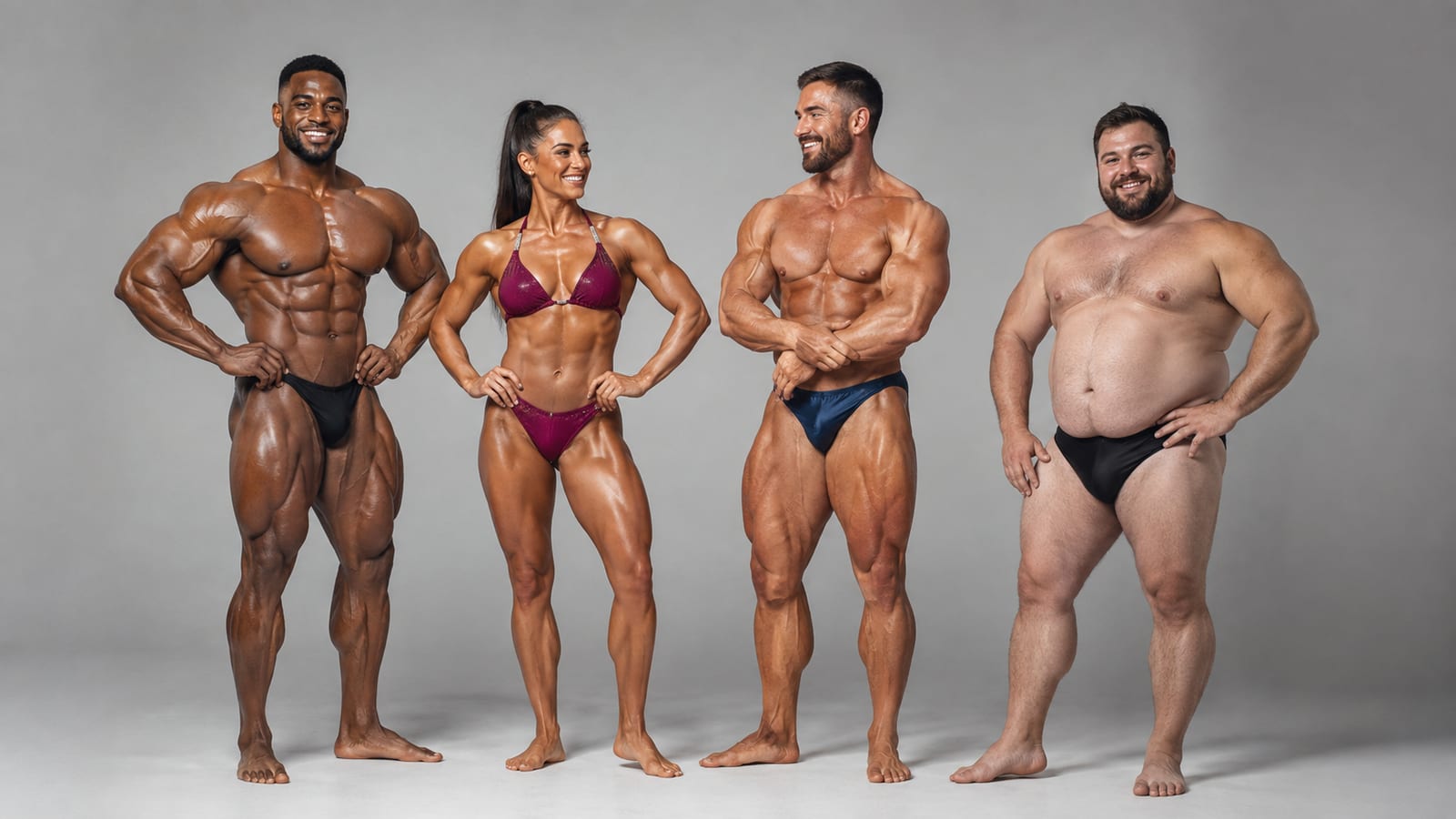
From classic physique to women's physique, bodybuilding categories cater to diverse preferences. Each one emphasizes a different mix of muscle development and aesthetics. Some reward symmetry and lines, others reward sheer size, and a few reward athleticism and routine work.
The classic physique category stands out for proportional muscle build. Competitors are judged on symmetry, balance, and timeless stage presence. Unlike the muscle-heavy divisions, this category values aesthetics over raw size, and it caps weight by height so nobody wins by simply being bigger.
The women's physique category highlights muscle tone and overall presentation. Athletes aim for a balanced look that combines visible strength with elegance, and judges score definition, symmetry, and stage confidence.
Judging comes down to three things across most classes:
- Symmetry: balanced muscle development across the body
- Muscle definition: clear separation and visibility of muscle groups
- Stage presence: confidence and poise during posing routines
Men and women follow guidelines tailored to their categories. For men, classic physique rewards a V-shaped torso and proportional limbs. Women's physique rewards a well-defined structure without pushing toward Open-level mass. Choosing the right category depends on your strengths and goals, and each class offers a path to showcase your hard work and dedication. If you're torn between the aesthetic classes and the mass classes, my breakdown of classic versus open bodybuilding walks through the tradeoff in detail.
Competition divisions and who each one suits
Competitive bodybuilding offers a variety of divisions to suit every athlete's goals and strengths. Read them as different jobs, not as a ladder you climb.
Classic Physique
Keep this one on your list if you have wide shoulders, a small waist, and no interest in chasing maximum size. Competitors aim for broad shoulders, a narrow waist, and balanced development, and judges look for symmetry, vascularity, and a timeless look. The division debuted at the Mr. Olympia in 2016 and pulled a lot of athletes away from Open.
Men's Physique
Athletes here focus on a lean, athletic upper body. Competitors wear board shorts, so legs stay hidden and the back, shoulders, and waist carry the score. Judges evaluate muscle tone, symmetry, and presentation rather than sheer size. Skip it if your best body part is your quads.
Women's Physique
This division balances muscle display with graceful presentation. Athletes show well-defined muscle while keeping a rounded, feminine look, and judges assess symmetry, definition, and stage confidence. Women's Physique first appeared at the Olympia in 2013, which makes it younger than most people assume.
Open Bodybuilding
Open is the traditional division where mass and conditioning take center stage. There are no height or weight restrictions, so competitors push their limits. Judges focus on size, density, and overall conditioning. As a natural lifter with a job, treat this as a long project or leave it alone.
Bikini
Bikini was first contested at the Olympia in 2010 and now brings the biggest entry numbers at many local shows. Scoring leans toward shape, glute and shoulder development, skin condition, and presentation rather than deep muscle separation. It rewards lifting hard, and it rewards not dieting yourself into a flat, stringy look.
Fitness and Figure
The Fitness division combines physique presentation with high-energy choreographed routines that show strength and agility. In the Figure division, competitors focus on lean muscularity and symmetry, presenting an athletic yet feminine look.
Here's a quick comparison of key features in each division:
| Division | Focus | Key features |
|---|---|---|
| Classic Physique | Aesthetics | Symmetry, proportions, timeless appeal |
| Men's Physique | Athletic upper body | Lean muscle tone, beach-ready look |
| Women's Physique | Muscle balance | Definition, symmetry, femininity |
| Open Bodybuilding | Muscle mass | Size, density, conditioning |
| Fitness and Figure | Performance | Routines, lean muscularity, symmetry |
One scoring detail trips up first-timers. In IFBB Pro Men's Open Bodybuilding, Judging and Finals each count for 50% of the final score, so the prejudging round you might treat as a rehearsal is half the result.
Natural competitions and clean training
Enter a tested federation if you want a level field and a body you can keep. Natural bodybuilding runs strict drug-testing protocols instead of limited or no testing, which changes both the timeline and the look that wins.
Clean training has practical upsides. You avoid the side effects that come with performance-enhancing drugs, and athletes in women's bodybuilding and men's physique classes often report steadier energy and better recovery between sessions.
Natural shows still reward an aesthetic look. Judges score symmetry, definition, and overall presentation, so balance and proportion carry more weight than the scale does.
| Aspect | Natural competitions | Traditional competitions |
|---|---|---|
| Drug testing | Strict protocols | Limited or no testing |
| Focus | Health and aesthetics | Muscle mass and size |
| Preparation | Clean training | Enhanced methods |
Preparation for a tested show takes planning. Read the federation's testing rules and banned substance list before you buy a single supplement, because an honest mistake ends your eligibility just as fast as a deliberate one. Women worried that any of this makes them look masculine should read the science on lifting and female muscle growth before deciding.
How do you pick a division and get to the stage?
Work through these in order. Skipping ahead is why people crash-diet in the last month and step on stage flat.
- Watch a local show first. Sit through prejudging, not just finals. You'll see the real standard in your area, which is usually lower and more reachable than the Olympia footage in your feed.
- Pick the division your frame already fits. Wide clavicles and a small waist point toward the aesthetic classes. Thick legs and a heavy build point toward Open.
- Build the base before you diet. Muscle you don't have in the off-season won't appear in prep. Train with intent, add weight or reps, and beat the logbook for months before you set a date.
- Choose a training split you can repeat. Frequency beats novelty, and a plan that fits your week beats one that looks serious on paper. My guide to choosing a workout split covers the usual options.
- Set the show date months out, not weeks. Give yourself enough runway to lose fat slowly while keeping strength. If the diet feels rushed at the start, it's already too late.
- Learn the mandatory poses early. Practice them weekly, filmed, from the first month of prep.
- Handle the logistics on paper. Federation membership, suit, tan, music for routine divisions, and the rulebook itself. Judges have disqualified people over suit cuts.
- Leave peak week boring. Nothing new goes in the last stretch. Sleep, food you've eaten before, and rehearsed posing.
If your off-season eating tends to run wild, my comparison of dirty and clean bulking approaches will save you a longer diet later.
What actually decides your progress
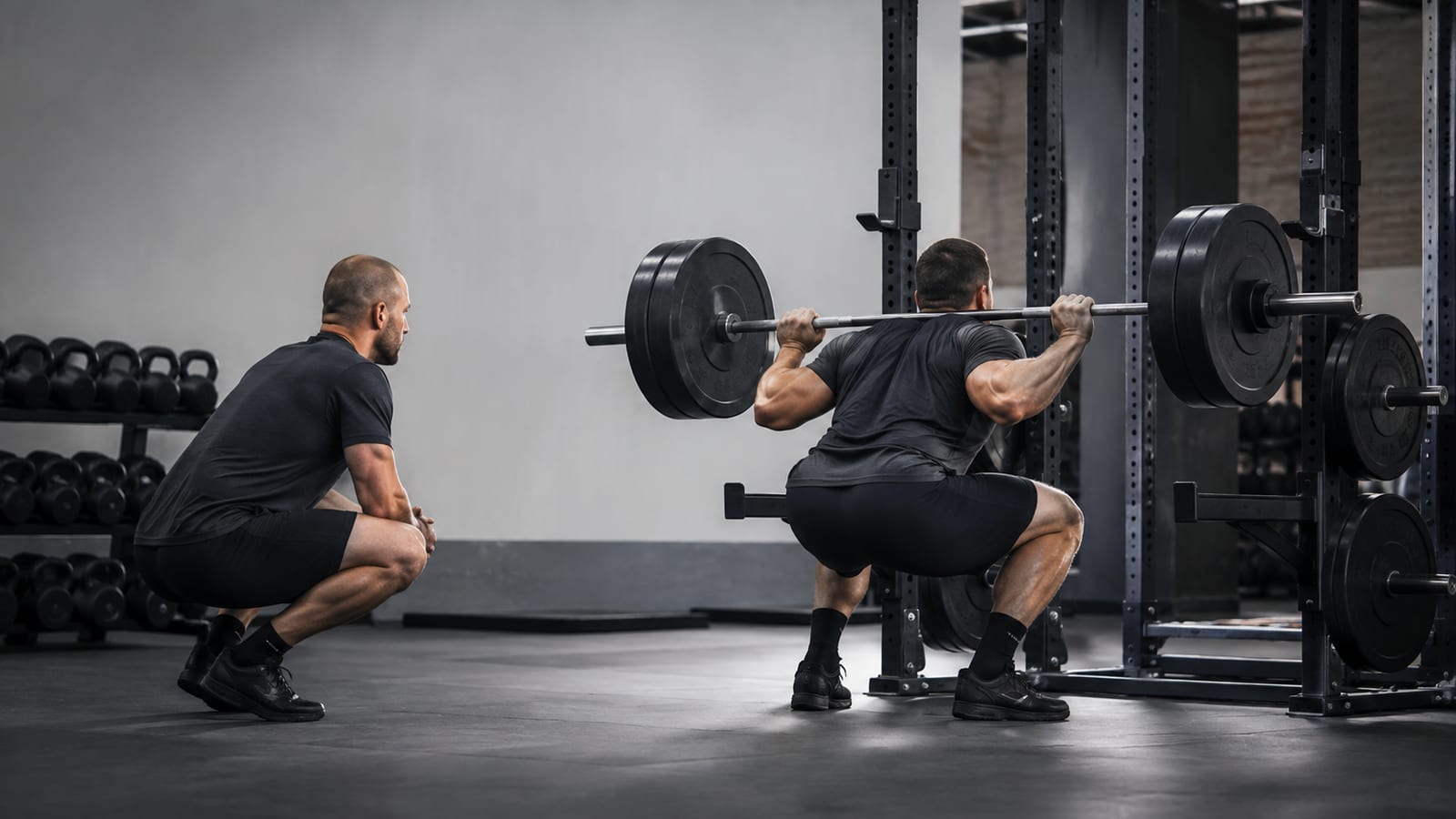
Your bodybuilding path is a personal one, and the division you choose is a real factor in how well it goes. Still, most outcomes come down to unglamorous inputs: consistent hard sets, enough protein and total food, sleep, and years of showing up.
Stay adaptable and assess what works for your body. Weak points change, life gets busy, and your joints get a vote. Small increases add up over months, and that's the whole engine of this sport.
FAQ
Do I need a coach for my first show?
Not for training, but posing help pays for itself. Most first-timers lose points on presentation, not muscle. A few sessions with someone who judges or competes locally will fix more than another month of arms.
Can I train like a bodybuilder without ever competing?
Yes, and most people should. The training that builds a stage physique is the same training that builds a good-looking, strong body for regular life. The difference is the diet extremes near a show, and those are optional.
How lean do I need to be on stage?
Leaner than looks healthy day to day, and the exact standard depends on your division and federation. Bikini and Men's Physique hold a softer condition than Open. Judge it by photos of last year's placings at the show you plan to enter, not by a number.
What if I'm short or have narrow shoulders?
Pick a division that scores your strengths and use height-based classes where they exist. Narrow shoulders make the V-taper classes an uphill climb, but conditioning and posing win local shows more often than perfect structure does.
Should I switch divisions if I don't place well?
Give it more than one show first. One judging panel on one day isn't much data. If you consistently score behind on the same feedback, and that feedback is structural rather than fixable, then switching is the sensible call.