On Gear Meaning in the Gym: Steroids, Not Supplements

 0
0
 0
0 Gym slang is usually blunt, and this is no exception. When a lifter says he is on gear, he means anabolic steroids, not protein powder, not creatine, and not the bag of straps in his locker. So the on gear meaning most people want is short: gear is drugs, usually anabolic-androgenic steroids, and sometimes a wider mix of performance-enhancing drugs. If your training time is limited, skip it and build your physique with progressive training, enough food, and real recovery.
Last updated: 2026-08-07
Some athletes do reach jaw-dropping size and strength in record time, and gear is often the reason. Nobody in that conversation is discussing equipment.
What does "on gear" mean in the gym?
Gear means anabolic steroids. "On gear" means someone is currently using them, usually in a planned cycle rather than one random injection. The phrase spread because it sounds casual and avoids saying the actual word out loud.
Some lifters stretch the term to cover a whole stack of drugs: growth hormone, insulin, fat-loss drugs, and more. Others use it strictly for anabolic-androgenic steroids, which are synthetic substances related to the male sex hormone testosterone. Because the definition drifts, treat the phrase as the start of a conversation rather than a full description.
Bodybuilding usage versus ordinary gym talk
In bodybuilding, gear is the assumed background of the open divisions. Competitors talk about being on or off, about coming off before a break, and about what they run in the off-season versus a contest prep. The word does the work of a euphemism while everyone in the room knows what it means.
In a commercial gym, the talk is looser. Someone might use it half-jokingly about anything that makes training easier. Still, if a lifter says he is on gear during a training conversation, assume steroids until he says otherwise. Guessing wrong in the other direction is the more embarrassing mistake.
Taking gear, bodybuilding gears, and gear steroids
These phrases all point at the same thing, with slightly different grammar. Here is the plain translation:
- Taking gear means running a course of anabolic steroids, normally injected or taken as tablets.
- Gear steroids is a redundant phrase people search because they are not sure the two words mean the same thing. They do.
- Bodybuilding gears is usually a search-engine version of the singular. Gear is not counted like gears on a bike.
- On cycle means currently taking. Off cycle or cruising means a lower dose or a break.
None of this makes drug use a training requirement. Plenty of strong, well-built lifters never touch any of it, and the honest bodybuilding myths worth dropping list starts right there.
Drugs and supplements are not the same category
Here is the bright line: gear is a prescription-only or illegal drug that changes your hormones. Supplements are food-adjacent products you can buy at a grocery store. Marketing blurs this on purpose, so keep the categories separate in your head.
| Category | What it is | Legal status | Honest expectation |
|---|---|---|---|
| Gear | Anabolic-androgenic steroids and related drugs | Prescription-only or illegal without one | Large effect, large risk, ongoing medical cost |
| Protein powder | Convenient food | Sold openly | Helps you hit protein, nothing magic |
| Creatine monohydrate | Well-studied training aid | Sold openly | Small, real gain in training quality |
| Caffeine | Stimulant | Sold openly | Better focus and effort for one session |
If a product promises steroid-like results in a tub, it is either lying or spiked. For what actually earns a place in the cupboard, see this rundown of supplements that support muscle gain.
Why some bodybuilders use it
The appeal is not mysterious. Users report more muscle, more strength, better training capacity, easier leanness, and faster recovery between hard sessions. In physique competition, where placings turn on small visual differences, those effects decide who wins.
The pressure also compounds. Off-season, the goal is adding tissue faster than a natural timeline allows. Before a show, the goal is keeping that tissue while dieting hard. Meanwhile the person on stage rarely tells the audience what made it possible, so the standard drifts further from what an ordinary lifter can reach.
How does gear change muscle growth and recovery?
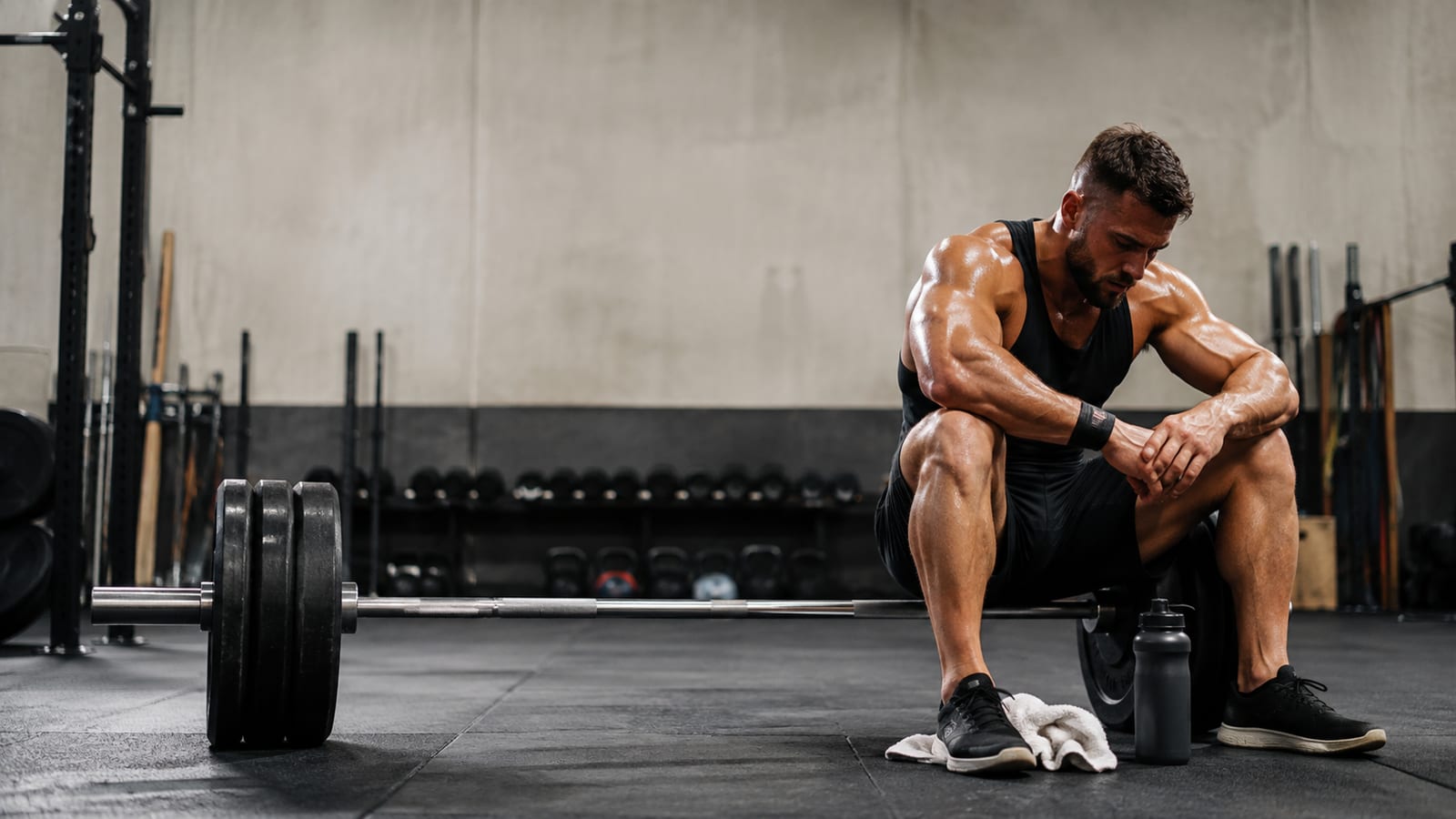
Anabolic steroids increase protein synthesis in skeletal muscle. They regulate target-gene transcription involved in the DNA accumulation required for skeletal-muscle growth. They also increase satellite-cell proliferation and promote the formation of new myotubules and myonuclei, which is part of why the size gained can be so large.
That is real biology, and it still does not replace training. Drugs raise the ceiling on how much stimulus you can turn into tissue. You have to supply the stimulus. A lifter with sloppy technique, no logbook, and four missed sessions a month will get a worse result than a disciplined natural lifter gets on food and effort.
The risks nobody discusses at the squat rack
Misuse can raise blood pressure and shift cholesterol the wrong way. High LDL and low HDL levels increase the risk of atherosclerosis, the slow narrowing of arteries behind most heart attacks. That risk arrives quietly, years before symptoms.
Liver damage is also on the list. The hepatocyte hyperplasia associated with steroid-induced liver injury can form hepatic tumors. Add suppressed natural testosterone production, fertility problems, acne, hair loss, and mood changes that affect the people around you as much as the user.
Legality matters too. In the United States, anabolic steroids are Schedule III controlled substances, a category defined as having moderate to low potential for physical and psychological dependence. In sport, the World Anti-Doping Agency Prohibited List bans anabolic agents at all times, in and out of competition. Black-market products add a further problem: you do not know the dose or the contents.
If you are seriously weighing this, that decision belongs with a doctor who has your bloodwork. Gym folklore is not medical advice, and neither is this article.
Do this first: the natural path that actually works
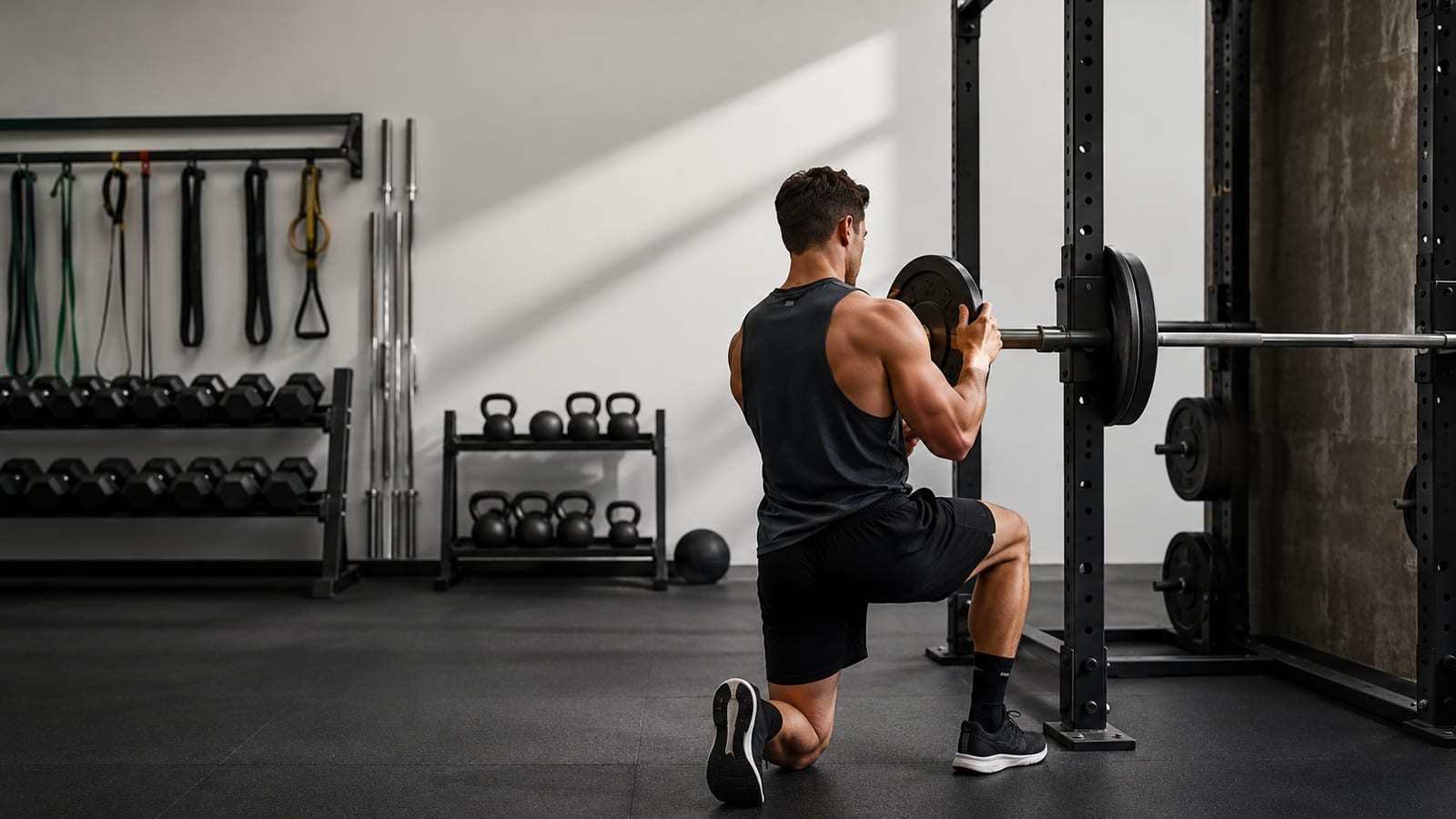
You can build a physique worth having without any of the above. It takes longer and it is simple on paper, demanding in practice. Follow these steps in order.
- Pick a schedule you can keep. Three full-body sessions a week beat a five-day plan you miss twice. The plan has to fit your week, not the other way round.
- Build each session on basic patterns. One squat or leg press, one hip hinge, one press, one pull, one or two smaller movements.
- Do 2 to 3 working sets per exercise in the 6 to 15 rep range. Stop each set with 1 to 3 good reps left so technique holds.
- Beat the logbook. Keep the same load until you hit the top of your rep range on every set, then add the smallest practical increase and work back up.
- Eat enough. Protein at every meal, a small calorie surplus while gaining, and carbohydrates around training. Reading up on lean gaining versus a messy bulk will save you a long cutting phase later.
- Sleep and recover on purpose. Poor sleep costs you reps, and your joints get a vote on how often you push heavy.
Change one variable at a time. Give it several weeks before you decide it failed.
What to say when someone tells you
Ask plainly what they mean, because the word covers a lot of ground. "What are you actually running?" is a normal question in that conversation. It clears up whether they mean testosterone, a full stack, or something a friend handed them.
Then adjust your expectations, not your self-worth. Copying their program will not copy their results, and copying their recovery assumptions will get you hurt. Keep your own standard: quality reps, small increases, and a plan you can repeat next month.
FAQ
Is prescribed testosterone replacement the same as being on gear?
Medically supervised hormone therapy for a diagnosed deficiency is a different situation from supraphysiological dosing for size. Gym slang often lumps them together anyway. The dose, the monitoring, and the goal are what separate them.
Can you tell by looking whether someone is on gear?
Not reliably. Genetics, training age, body-fat level, and photography do a lot of work. Certain patterns raise eyebrows among experienced coaches, but guessing about strangers is a waste of your attention.
Are SARMs, peptides, or prohormones a safer middle ground?
They are marketed that way and sold in a legal grey area, which is not the same as being safe or well studied. Many carry similar hormonal effects and similar suppression. Treat "not technically a steroid" as a marketing line rather than a health claim.
What happens to the muscle if someone stops?
Some size and strength usually goes, and natural hormone production can take a long and uncomfortable time to recover. How much stays depends on training and food during and after. That recovery period is the part most people underestimate before they start.
Does alcohol matter more if you are training hard naturally?
Yes, because you have less margin to waste. Sleep quality, appetite, and next-day session quality all take the hit, and the effects on alcohol and training progress show up in the logbook before they show up in the mirror.
Related: Why Natural Lifters Should Skip Estrogen Blockers