
Build a HYROX Workout That Holds Up Under Fatigue
A practical HYROX workout uses steady running, simple strength, and practiced stations to build race-ready pacing, technique, and fatigue resistance.

A practical HYROX workout uses steady running, simple strength, and practiced stations to build race-ready pacing, technique, and fatigue resistance.

Stable, repeatable movements make rear-delt training easier to track. See how to choose exercises, control technique, and progress without wasted effort.

Here’s a truth that might surprise you: even elite athletes rely on bodyweight movements when they’re on the road. Your fitness doesn’t have to vanish the moment you step onto a plane. Staying consistent requires a mindset shift. You must start viewing your temporary space as a legitimate training ground. Sam Keen, a personal trainer […]

After coaching thousands of people, one pattern became crystal clear. The most efficient, growth-focused trainees consistently hit the gym three times weekly. Not four, not six—three. If your progress has felt random and slow, you’re not alone. Most routines are either too complex or don’t deliver the physiological stimulus your body actually needs. The frustration […]

What if your biggest gains aren’t made in the gym, but in your kitchen right before bed? Here’s the truth. If you’re tired of slow progress, your nightly routine might be the missing link. Your body doesn’t clock out when you do. It works overtime to repair and rebuild. Research confirms this. A 2019 review […]

What if you could pack on serious size without emptying your wallet on fancy supplements and exotic superfoods? Here’s the truth. Lifting weights is only half the battle. The other half happens in your kitchen. According to Muscle & Fitness, nutrition plays an equally important part as exercise in changing your body. But that doesn’t […]

What if you could pack on solid muscle without the fluffy fat that comes with it? It’s the dream, right? You’re not alone in wanting real, quality growth. Forget everything you’ve heard about eating everything in sight. That old-school “dirty” method just doesn’t cut it for your long-term health or your physique. Here’s the truth: […]

What if the secret to crushing your next workout isn’t in the gym, but on your plate? Feeling constantly sore and drained after training is a common roadblock. It can steal your momentum and make a consistent fitness routine feel impossible. Here’s the truth: managing that deep fatigue and muscle ache is non-negotiable for progress. […]

Here’s a fact that might change everything: research suggests you can trigger the vast majority of your muscle growth potential with just a few brutally hard sets per week. That’s right—the endless hours you’re logging might be holding you back. We’ve been sold a myth that more is always better. Your body doesn’t work on […]

Did you know that nearly 80% of American women cite “not enough time” as their biggest hurdle to consistent exercise? Here’s the truth—your schedule isn’t the enemy. The real problem is the fitness industry’s obsession with long, complicated routines. You can reclaim your calendar. This guide is built on a simple, powerful idea: a highly […]

What if the biggest thing holding back your gains isn’t your workout, but a simple misunderstanding about your nutrition? You’re tired of the noise. The conflicting advice. The hype that promises miracles but delivers frustration. Here’s the truth: building a stronger, more muscular physique demands a strategic approach. It’s not just about lifting heavy—it’s about […]

Think you need hours in the gym to get stronger? Here’s the truth: research indicates most muscle growth happens in the first 30-45 minutes of intense, focused training. After that, you’re often just burning calories and increasing fatigue. Your biggest hurdle isn’t knowledge or willpower. It’s finding the time in a packed schedule. That’s why […]
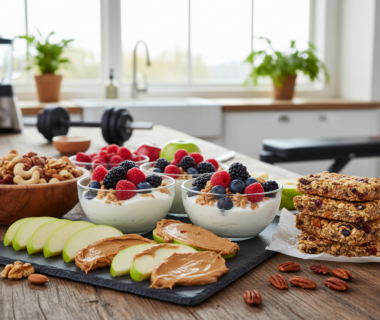
What if the secret to building real strength isn’t found in the gym, but in what you eat when you’re not working out? You lift hard. You show up. But progress feels slow. Here’s the truth: your main workout is only part of the story. What you do in the hours between meals determines whether […]
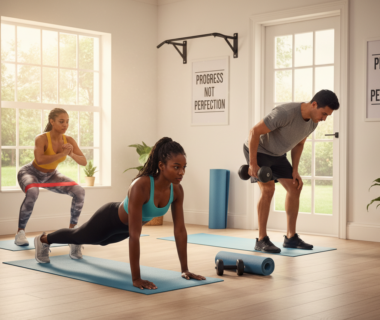
Here’s a hard truth: most people who start training give up before day 90. They don’t fail from lack of effort. They fail from following a bad plan. The PPL split—short for push, pull, legs—cuts through that noise. It’s a flexible, logical way to build strength and muscle. It doesn’t overcomplicate your life. Your first […]

What if you could build a stronger, more resilient body without a single scoop of expensive powder? The truth is, you can. That hard session you just finished? It’s a signal. Your body is primed and ready to rebuild. Sports dietitian Marni Sumbal, M.S., R.D., emphasizes that what you do next is essential for setting […]

Here’s a truth that might surprise you: nearly 50% of people who want to get stronger believe they need a gym full of machines to do it. That’s a myth—and it’s holding you back. You do not need a membership or hundreds of dollars in fancy gear. Your own living room and your body’s weight […]

What if the secret to crushing your next gym session isn’t a fancy supplement, but something much simpler—and you’ve been overlooking it? That flat, drained feeling mid-set? It’s a signal. Your high-performance machine is running on fumes. Here’s the truth: what you consume beforehand directly fuels your effort, your focus, and your results. As registered […]

Did you know that most people spend over 7 hours a week lifting weights but see barely any difference in their physique? Here’s the truth: more time doesn’t mean more results. If you’re tired of long, confusing sessions, there’s a better way. This approach is about working smarter, not harder. It respects your schedule and […]

Did you know that nearly 70% of people who start lifting weights see zero noticeable muscle growth in their first two months? It’s not a lack of effort—it’s a lack of structure. Here’s the truth: your body responds to smart, consistent stress. Without a plan, you’re just guessing. That’s where a clear path changes everything. […]

What if the biggest barrier to your physique goals isn’t your workout, but your wallet? Building a stronger body demands more than sweat in the gym. It requires a smart, consistent nutrition strategy. As nutritionist Jennifer Blow, MSc, highlights in her research, food is your most powerful tool for recovery and growth. Forget the hype […]