Pilates or Calisthenics: Match Training to Your Goal

 0
0
 0
0 Pick calisthenics if you want measurable strength, muscle, and skills with limited equipment. Pick Pilates if you want better control, posture, breathing, and low-impact movement. The pilates vs calisthenics choice gets easier once you stop treating them as interchangeable workouts. Calisthenics should carry the main strength work. Pilates earns its place as support, recovery, or your main practice if control matters more than maximal strength. Pilates was developed by Joseph H. Pilates in the 1920s.
Last updated: 2026-09-14
Pilates and calisthenics start from the same place
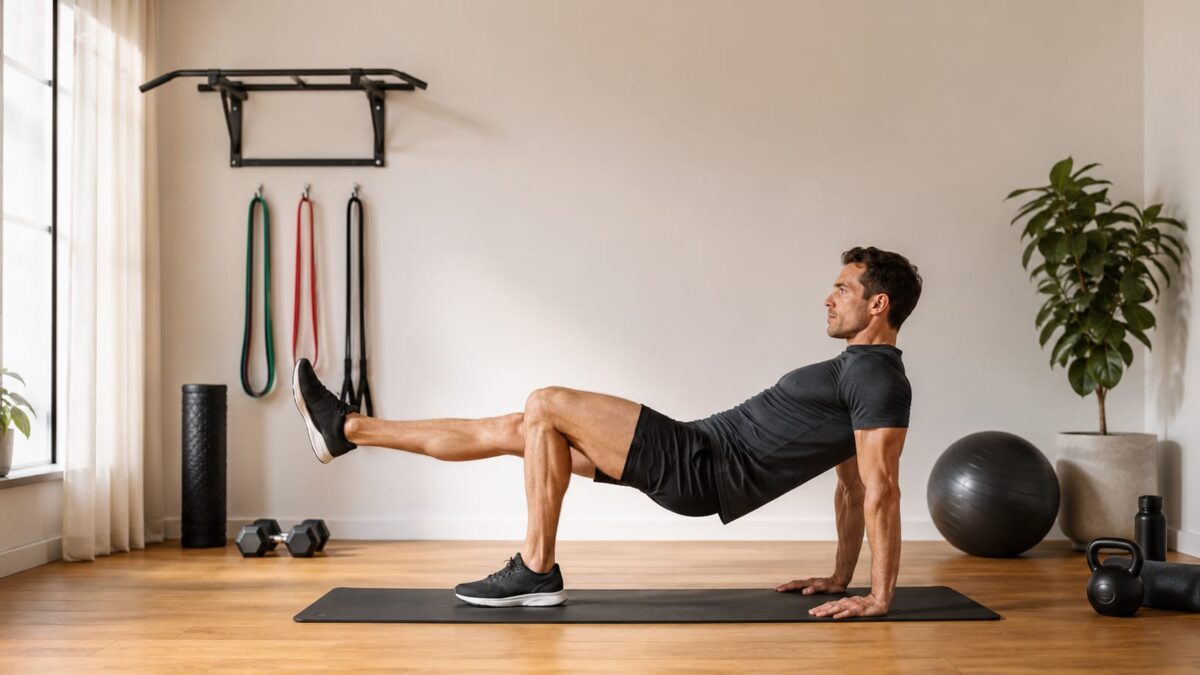
Calisthenics is a system of free body exercises performed with different levels of intensity and rhythm. The basic tools are your body weight, the floor, and something to hang from or push against.
Push-ups, pull-ups, rows, dips, squats, lunges, and harder variations make up the useful foundation. You can add difficulty with a more challenging body position, a slower rep, a single-limb version, or external load.
Pilates is a physical conditioning system created by Joseph H. Pilates. The system emphasizes controlled movement, posture, and breathing.
The overlap is obvious. Both methods use body weight, coordination, and trunk control. Both can start with simple movements and progress toward harder positions.
Their training logic still differs. Calisthenics asks how much force you can produce and how difficult a movement you can perform. Pilates asks whether you can control your position, breathing, and movement quality.
Pilates vs calisthenics: which should you choose?
Choose calisthenics as your main practice if you want:
- Upper-body strength you can measure through reps, load, and harder variations
- Muscle gain from resistance that can keep getting harder
- Progress you can record instead of guessing about
- Skills such as pull-ups, handstands, and dips
- Training built around little equipment and a clear next step
Choose Pilates as your main practice if you want:
- Better movement control during each rep
- More awareness of posture and body position
- Low-impact exercise that still demands attention
- Trunk endurance and coordination
- A structured way to return to movement without rushing the load
Most people asking about calisthenics vs Pilates want one method to cover every goal. That usually leads to a vague plan. Give each method a job, then judge it by the result you want.
The practical comparison
| Training feature | Calisthenics | Pilates |
|---|---|---|
| Main purpose | Strength, muscle, and movement skills | Control, alignment, breathing, and trunk endurance |
| Main resistance | Body weight, mechanical advantage, and added load | Body weight, springs, bands, and apparatus |
| Progress | More reps, harder variations, or more load | Better control, range, tempo, and position |
| Typical effort | Sets that challenge the target muscles | Controlled sequences with steady tension |
| Strength ceiling | High for the upper body, with smart progression | Limited for maximal strength |
| Equipment | Floor, bar, bands, or weights | Mat, or specialized apparatus |
| Best fit | People who want measurable strength | People who value control and low-impact work |
The table gives you the useful split: calisthenics makes strength easier to track, while Pilates makes control the main task. Neither method wins every category.
Calisthenics has the clearer strength progression
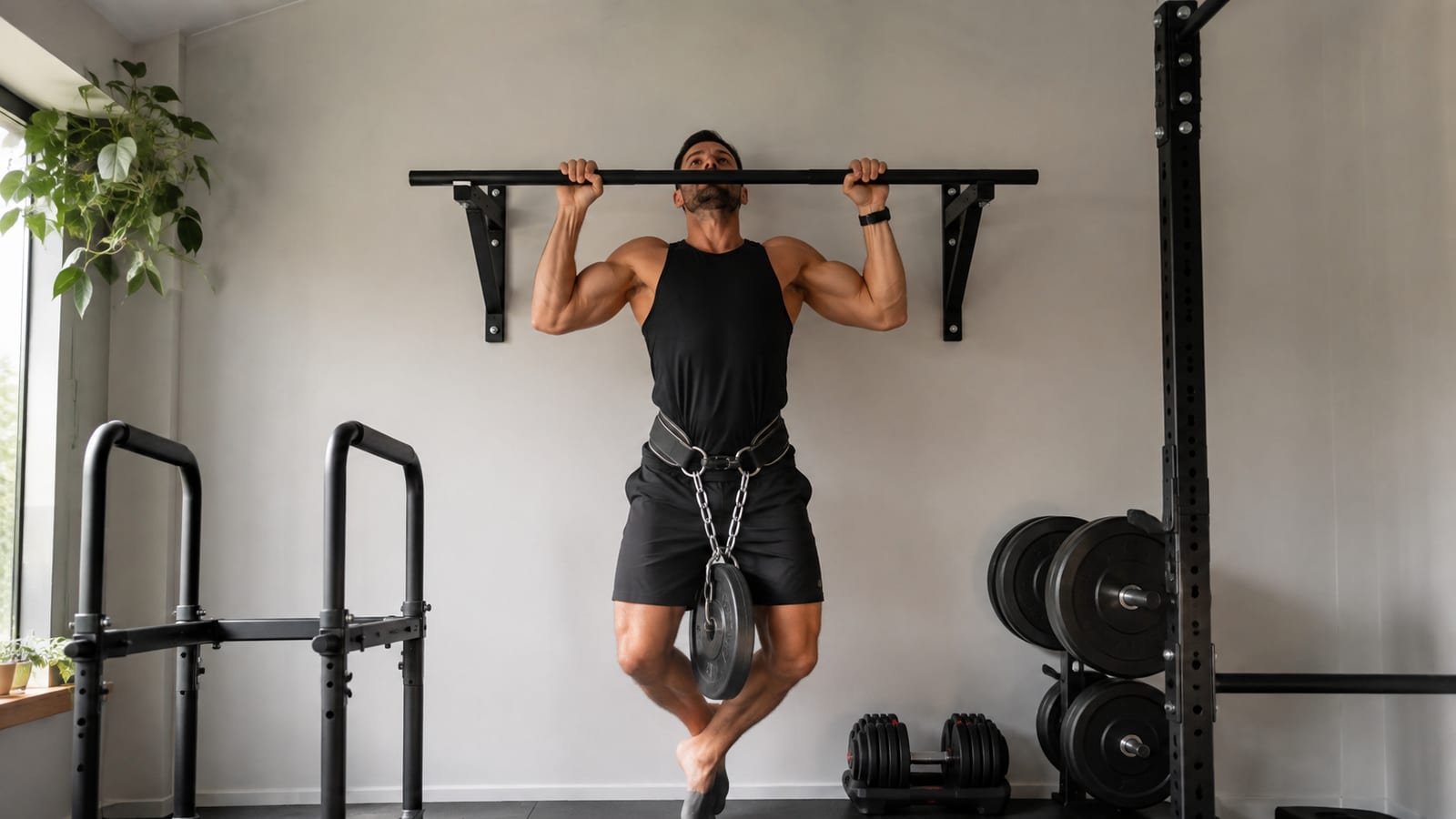
Calisthenics gives you a progression ladder you can measure. An incline push-up can become a floor push-up, then a feet-elevated push-up, then a weighted version. A row can become a pull-up, then a harder pull-up variation.
This matters because strength improves when the body has to produce more force. You need a movement that is hard enough to count, repeatable technique, and a way to increase the demand.
Most body-weight exercises emphasize muscular endurance rather than maximal strength. Traditional resistance training with weights focuses more directly on muscular strength. High-repetition push-ups may improve your work capacity, but they eventually stop giving your chest and triceps a strong reason to grow.
Change the setup or add load once the reps become easy. Keep the movement clean enough that your logbook tells you what improved.
Research on resistance training supports the basic distinction. Higher-load training produces greater one-repetition maximum strength gains than lower-load training when the total volume load is matched. One-repetition maximum means the heaviest load you can lift for one good rep.
A meta-analysis of 14 studies found a moderate-to-large effect favoring high-load training at 60% or more of one-repetition maximum over low-load training at 60% or less. The effect size was 0.58.
Another review found that prescriptions at 80% of single-repetition maximum maximized strength gains, while all tested prescriptions produced similar muscle growth. The useful point is simple: muscle can grow across a broad effort range, but maximal strength responds better to heavier work.
Calisthenics can provide that challenge through mechanical advantage and added weight. It just takes more planning than loading a bar.
Pilates improves control, but it has a strength ceiling
Pilates is useful for learning how to control your trunk, pelvis, shoulders, and breathing. That control can improve how you perform other exercises.
A beginner who loses position during a plank may benefit from slower, more precise trunk work. Someone returning to regular exercise may also prefer a lower-impact practice before heavier strength training.
Still, body awareness is not the same as strength. Feeling your abdominals work does not prove that you can brace under a demanding squat, carry, or pull-up.
Pilates also has a limited path for increasing maximal resistance. You can use slower tempo, longer pauses, more difficult positions, springs, or apparatus. Those changes make the work harder, but they do not provide the same clear strength progression as heavier resistance.
Marketing claims about long, lean muscles need the same caution. Training can build muscle and improve posture. It does not change the basic length of a muscle belly.
Read how Pilates builds muscle and where it falls short if muscle gain is your main reason for considering it. The method can help, but it shouldn't carry a job it wasn't built to do.
Is Pilates calisthenics?
Pilates is not usually classified as calisthenics. Both use body weight, but the systems organize exercise around different goals and methods.
Calisthenics centers on body-weight resistance, harder movement variations, and measurable performance. Pilates centers on controlled movement, posture, breathing, and precise positions. Some Pilates exercises resemble calisthenics movements, but similar shapes do not make the systems the same.
The phrase “calisthenic Pilates” usually describes a workout that blends the two. It isn't a separate training system with a fixed definition. Treat it as a hybrid class or routine, then check what the session actually trains.
If it includes push-ups, rows, squats, and progressively harder resistance, it contains calisthenics. If it uses controlled sequences, breathing cues, and position work, it contains Pilates.
Muscle gain depends on productive resistance
Calisthenics is the better choice for muscle gain when you can make the exercises difficult enough. Push-ups and pull-ups can provide serious work for the chest, back, shoulders, and arms.
The lower body requires more attention. Basic body-weight squats and lunges may stop challenging your legs once you become stronger. Use single-leg exercises, slower controlled reps, a loaded backpack, bands, or weights as needed.
You also need enough food, sleep, and repeatable training. A difficult class once in a while will not beat a simple plan you can perform every week.
Pilates may build some muscle in beginners, especially through trunk, hip, and shoulder work. However, it usually falls short for continued muscle gain because increasing resistance is less direct.
For a broader exercise menu, use this guide to the top bodyweight exercises for muscle gain. Choose movements you can repeat with stable technique and progress over time.
Weight loss comes from the full plan
Neither Pilates nor calisthenics decides how much body fat you lose. Your food intake drives the calorie deficit required for weight loss. A calorie deficit means you eat less energy than your body uses.
Calisthenics may help you keep more muscle because it gives you harder resistance work. Pilates can help you stay active, move comfortably, and maintain a routine. Both are useful, but neither cancels out an eating pattern that provides more energy than you use.
For fat loss, choose the method you can perform consistently. Add strength-focused calisthenics if muscle retention matters. Add Pilates if it helps you train without aggravating your joints or quitting from soreness.
The training plan still has to fit your week. A modest routine you repeat for months beats an ambitious schedule that disappears after a few sessions.
Equipment and home training
Calisthenics is cheaper and easier to scale at home. Start with the floor, a sturdy surface for rows, and an open space. Later, add a pull-up bar, resistance bands, or external load.
The main home-training problem is progression. Push-ups and squats are easy to start, but pulling strength and lower-body loading need more setup. A sturdy pull-up bar solves part of that problem.
Mat Pilates needs little equipment. The harder problem is feedback. Small changes in pelvic position, rib position, or breathing can be difficult to judge without instruction.
Reformer Pilates uses springs and specialized apparatus. That can provide useful resistance and support, but it also makes the method less portable and less convenient for a limited budget.
Your joints get a vote in both systems. Skip advanced calisthenics skills until the basic patterns are stable. Also, don't treat a demanding Pilates class as a rest day just because it looks controlled.
A practical hybrid plan
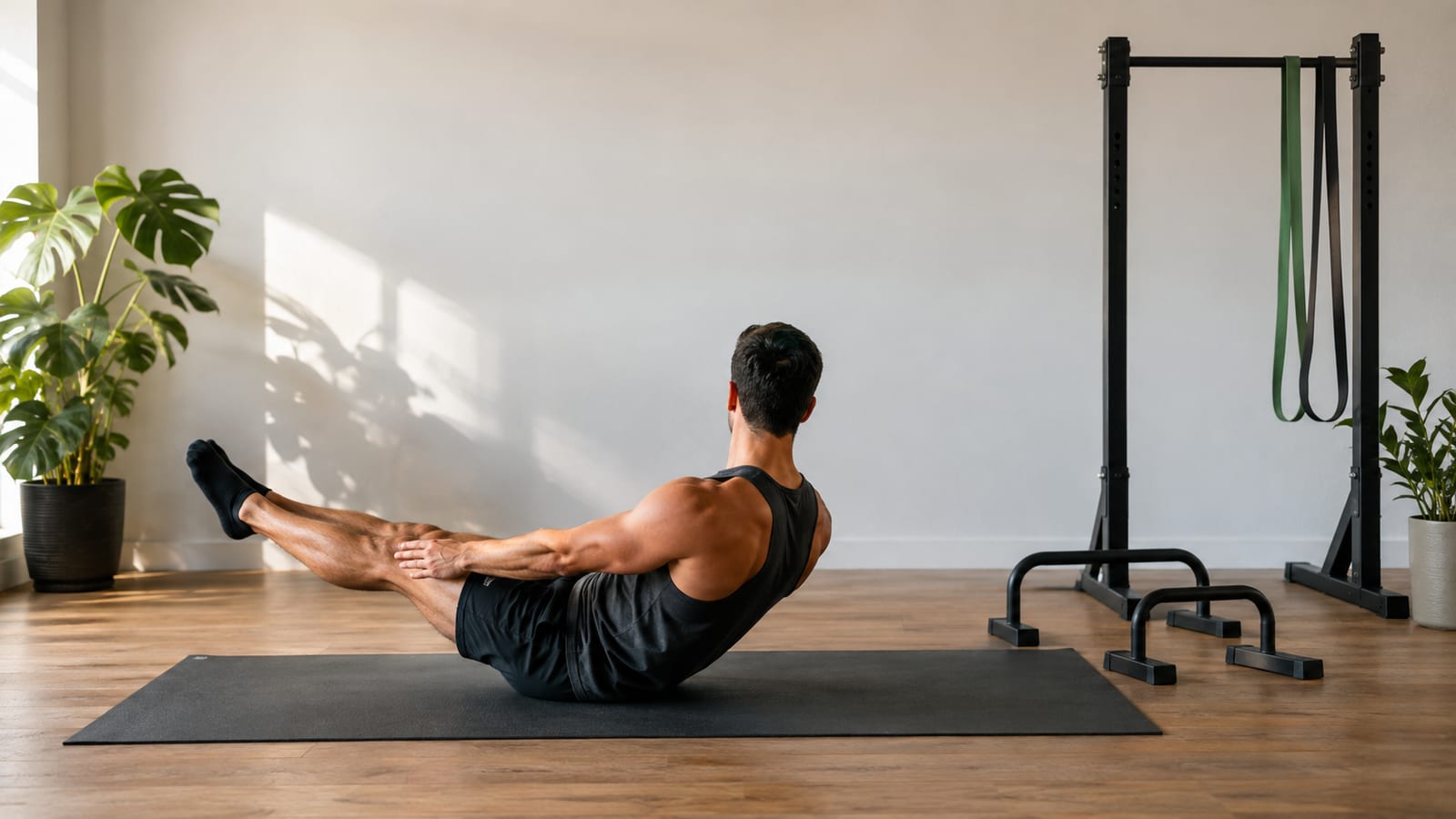
Combining Pilates and calisthenics works best when the sessions have separate purposes.
Use calisthenics for progressive strength work:
- Push-up or dip progression you can advance through reps, position, or load
- Pull-up or row progression with stable shoulder position
- Squat or split-squat progression that keeps the lower body challenged
- Hip hinge or bridge variation with a clear way to add demand
- Trunk exercise that you can progress without losing position
Use Pilates for controlled movement, mobility, breathing, and lower-impact work. Keep the sessions easy enough that they don't reduce your performance in the next strength workout.
Place Pilates after a calisthenics session or on a separate day. Avoid hard trunk work immediately before demanding pulling, hinging, or skill practice.
Track the calisthenics work in a logbook. Record reps, variation, added load, and technique notes. For Pilates, track control, range, balance, and whether the session leaves you ready to train again.
This split works because each method serves a clear purpose. Calisthenics supplies the overload. Pilates helps you move with more control and recoverable effort.
A simple decision rule
Use this test before choosing:
- If strength comes first, start with calisthenics and record every useful increase.
- If muscle comes first, start with calisthenics and plan how resistance will increase.
- If posture, control, and low-impact movement lead, start with Pilates.
- If you have joint pain or are returning after a layoff, begin with the method you can perform comfortably and seek qualified medical guidance when needed.
- If you enjoy both, use calisthenics for strength and Pilates for support.
Don't choose based on which class looks more graceful or which workout leaves you more tired. Choose the method that improves the quality you care about and gives you a clear next step.
FAQ
Is Pilates a form of body-weight training?
Yes, Pilates often uses body weight as resistance. However, body-weight training is a broad category. Pilates is a specific system built around controlled movement, posture, breathing, and alignment.
Can Pilates replace strength training?
Pilates can support strength, especially for beginners and smaller stabilizing muscles. It usually cannot replace progressive resistance training for continued gains in maximal strength or overall muscle size.
Can calisthenics improve flexibility?
Some calisthenics movements use a large range of motion and can improve mobility. Still, flexibility isn't automatic. Add controlled mobility work if a joint lacks the range needed for your exercises.
Which method is better for beginners?
Calisthenics is better if your first goal is measurable strength. Pilates is better if you need low-impact practice and improved movement control. Start with the method you can perform consistently, then add the other if it supports your main goal.
Can you do Pilates and calisthenics on the same day?
Yes, if the Pilates session stays controlled and doesn't exhaust the muscles needed for calisthenics. Do the strength work first when strength is the priority. Finish with Pilates or keep it for another day.
Related on this blog