How to Use Coffee and Tea for Steady Training Energy

 0
0
 0
0 Start with measured black coffee or tea, then pair it with food and water. These are the best clean caffeine sources for sustained workout energy because you can control the dose, avoid needless ingredients, and repeat the setup. Skip oversized energy drinks, sugar-heavy formulas, and pre-workouts that hide the caffeine behind a proprietary blend.
Last updated: 2026-08-10
Caffeine can help you train with more alertness and less perceived effort. It cannot replace carbohydrates, sleep, hydration, or a program you can recover from. The drink is only useful if it helps you complete more quality work and come back stronger.
What are the clean caffeine sources for sustained workout energy?
The best default is a measured serving of black coffee or tea with a simple carbohydrate-containing snack. Add water, train with intent, and keep the caffeine dose low enough that your technique and sleep stay intact.
“Clean caffeine” isn’t a scientific category. It’s a practical standard: a clear caffeine amount, few unnecessary ingredients, little or no added sugar, and a form you can use consistently.
Black coffee wins for most lifters because it’s inexpensive, low in calories, and strong enough for demanding training. Tea works better if coffee makes you anxious or disrupts your stomach. Matcha and yerba mate are useful alternatives, but they don’t create a special kind of energy.
Your training basics still decide most of the result:
- Eat enough total food.
- Include carbohydrates before hard sessions.
- Drink water before and during training.
- Use electrolytes when heat or sweat loss is the real problem.
- Keep most sets hard enough to count, but recoverable.
- Track performance instead of judging a workout by how stimulated you feel.
That is the complete answer: use a repeatable dose of coffee or tea, eat some carbohydrates, hydrate, and let your training do the heavy lifting.
How does caffeine improve exercise performance?
Caffeine can increase alertness, reduce perceived effort, and help you sustain hard work. It may support endurance, repeated efforts, and muscular endurance. The effect is useful, but it’s not large enough to rescue poor preparation.
Meta-analyses report an average endurance improvement of around 2 to 3% from caffeine. Muscular endurance may improve by about 6 to 7% in some research. Those are averages, not promises for your next workout.
Caffeine may also make a hard set feel more manageable. That matters when you’re trying to repeat quality reps, hold pace, or finish a long session without losing focus.
However, less effort does not mean less stress on your body. You can still overshoot your recoverable workload because the stimulant masks fatigue. Keep your normal sets, rest periods, and progression targets. Don’t turn one alert workout into a plan you can’t repeat next week.
How much caffeine should you take before a workout?
Start around 1 to 2 milligrams of caffeine per kilogram of body mass, taken 30 to 60 minutes before training. This is enough to test the response without jumping straight to an aggressive dose.
For example, a 70-kilogram lifter would start around 70 to 140 milligrams. That range is a starting point, not a score to beat.
Some endurance studies use 3 to 6 milligrams per kilogram about an hour before exercise. Higher doses can produce a stronger effect, but they also make jitters, stomach trouble, faster heart rate, and sleep disruption more likely.
Use this progression:
- Start with the lower end of the range.
- Keep the same dose and timing for several sessions.
- Track focus, performance, stomach comfort, and sleep.
- Increase only if the benefit is clear and side effects stay absent.
- Reduce the dose if your technique, appetite, mood, or sleep gets worse.
Your body weight gives you a starting estimate. Your response decides whether the dose stays. More stimulation is not automatically better training.
How much caffeine is in coffee, tea, matcha, and yerba mate?
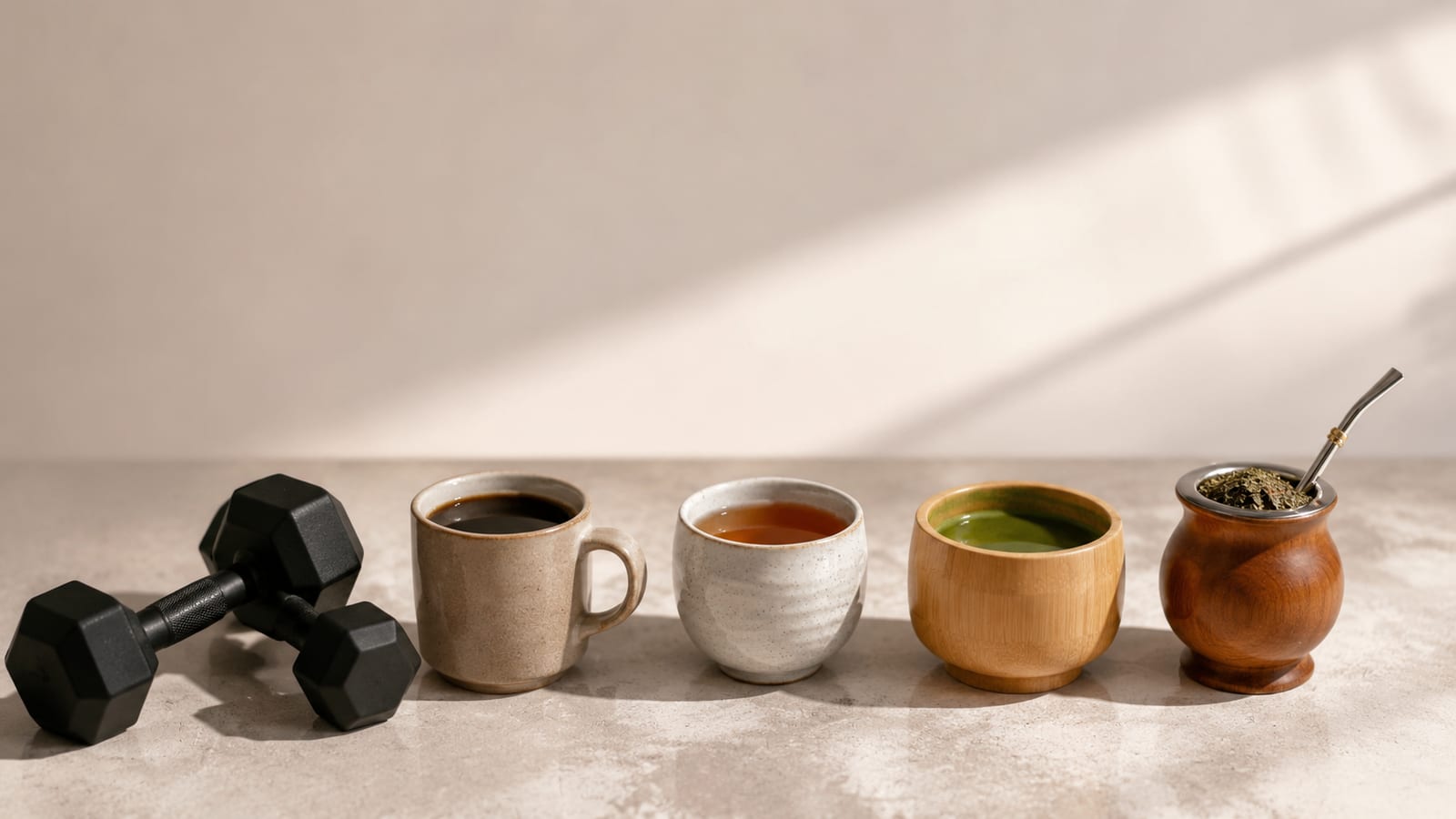
Caffeine content changes with serving size, brewing time, product type, and preparation. Measure the drink you actually use instead of trusting a label that describes a smaller serving than your mug.
| Drink | Practical caffeine amount | Best use |
|---|---|---|
| Brewed coffee | An 8-ounce cup averages about 95 milligrams; reported amounts range from about 95 to 200 milligrams | Stronger pre-workout dose with easy access |
| Green tea | An 8-ounce cup typically provides 20 to 50 milligrams | Gentler stimulation and shorter sessions |
| Matcha | One teaspoon of matcha powder provides about 70 milligrams | Moderate caffeine with a thicker, more concentrated serving |
| Yerba mate | An 8-ounce cup provides about 30 milligrams | Unsweetened alternative to coffee or tea |
Coffee is the easiest drink to misjudge. A large mug can contain much more caffeine than a small cup, especially if it’s strongly brewed.
Green tea is milder, but the range still matters. Bagged green teas can be more caffeinated than loose-leaf versions. If green tea feels too weak for a hard lower-body session, use a measured serving rather than steeping several bags without tracking the total.
Matcha includes the whole powdered tea leaf. That makes the serving more concentrated and the dose less forgiving if you keep adding powder. Start with one measured teaspoon and don’t treat it like a casual beverage.
Yerba mate is viable, especially unsweetened. Still, coffee and tea are simpler to measure and repeat. Consistency matters more than picking the drink with the best marketing story.
Which natural caffeine sources are lowest in calories?
Unsweetened coffee and tea are the best low-calorie choices. Matcha is also low in calories when mixed with water, while unsweetened yerba mate stays simple if you don’t turn it into a sweet bottled drink.
The caffeine source usually isn’t the calorie problem. The add-ons are.
Watch for:
- Sugar and syrup in coffee drinks.
- Sweetened creamers.
- Large amounts of milk or flavored foam.
- Bottled teas with added sugar.
- Canned yerba mate drinks with sweeteners.
- Matcha drinks built around flavored powders.
Black coffee is the best default because it gives you a clear dose without much else. Green tea is the better choice if you want less caffeine per serving. Matcha costs more and still needs dose control, so don’t confuse a premium package with better workout support.
If you need fuel, add food on purpose. Don’t rely on a sweet coffee drink to provide an accidental pre-workout meal. For practical food ideas, use this guide to the best carbs before a workout.
Can caffeine provide energy without a crash?
No caffeine source can guarantee a crash-free workout. The dose, your sleep, your food intake, your hydration, and your sensitivity all affect what happens later.
Caffeine provides stimulation. It doesn’t provide the same fuel as carbohydrates, and it doesn’t erase accumulated fatigue.
To make the effect steadier:
- Use the smallest dose that improves the session.
- Take it earlier when possible.
- Eat carbohydrates before demanding training.
- Drink water before you feel thirsty.
- Avoid stacking coffee with an energy drink or pre-workout.
- Keep some workouts caffeine-free.
Green tea may feel gentler because it contains caffeine along with L-theanine. One cup of green tea typically contains approximately 8 to 30 milligrams of L-theanine, with about 25 milligrams often reported. That can make the experience feel less sharp, but it does not make unlimited caffeine sensible.
A crash often points to a poor setup rather than a bad plant source. Check your sleep, meal timing, and total stimulant intake before blaming the coffee.
What should you eat and drink with caffeine before training?
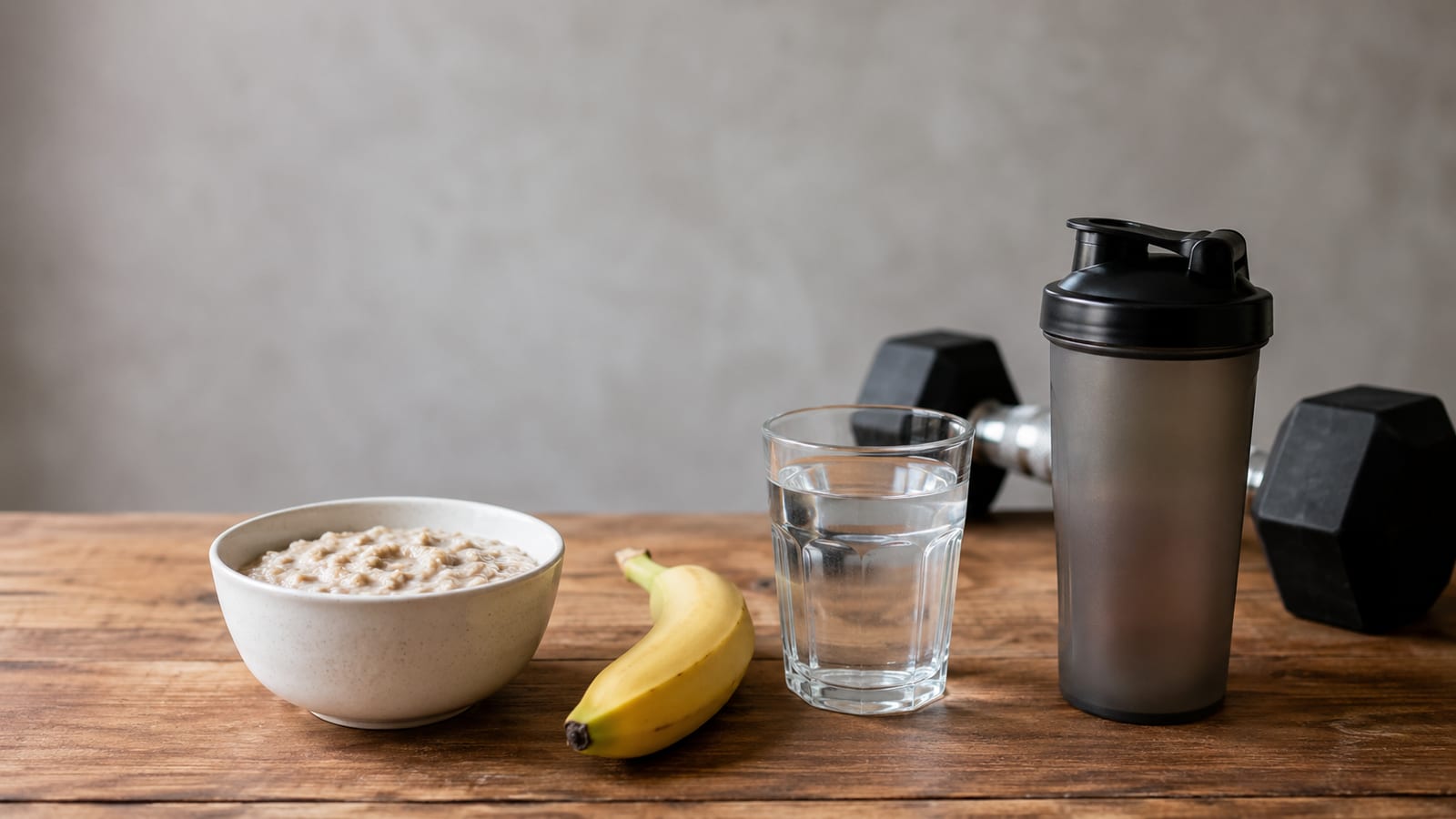
Pair caffeine with a simple carbohydrate-containing meal or snack and water. This gives you actual fuel for the session instead of asking a stimulant to cover an empty tank.
Choose food you digest well. Examples include:
- Oats with fruit.
- Toast with jam.
- Rice with a light protein source.
- A banana and yogurt.
- Cereal with milk.
- A simple sports drink for long or demanding endurance work.
Keep the meal smaller if you’re training soon. Give yourself more time after a larger meal. The right choice is the one that sits well and lets you train with repeatable technique.
Water is enough for many normal sessions. Add electrolytes if you’re sweating heavily, training in heat, or exercising long enough that fluid and sodium loss starts limiting performance.
Caffeine doesn’t turn poor hydration into good hydration. It may help you feel more ready while your performance still drops. Your joints, pace, and technique get a vote.
When are electrolytes better than caffeine for workout energy?
Electrolytes are the better choice when heat, heavy sweating, or dehydration limits your performance. In that situation, adding more caffeine attacks the wrong problem.
Sodium helps replace what you lose in sweat, while fluid supports blood volume and temperature control. You don’t need an electrolyte product for every short gym session, but you should take hydration seriously during hot outdoor training, long endurance work, and sessions that leave your clothes soaked.
Use electrolyte water when:
- You’re training in a hot or humid environment.
- You sweat heavily.
- Your session is long enough for fluid loss to build.
- You’re starting training already underhydrated.
- Headache, unusual fatigue, or a sharp drop in performance points toward hydration trouble.
A flavored electrolyte drink can still contain unnecessary sugar or a vague ingredient list. Check the label. The goal is to replace a real limitation, not buy a brightly colored promise.
Caffeine is for alertness and perceived effort. Electrolytes are for fluid and sodium support. Choose the one your session actually needs.
What should you avoid in energy drinks and pre-workouts?
Avoid products that make the caffeine dose hard to find. A pre-workout should tell you exactly how much caffeine one serving contains. If you need to calculate a scoop fraction and guess what the blend contains, skip it.
Common problems include:
- Extreme caffeine doses.
- Proprietary blends that hide individual amounts.
- Multiple stimulant sources in one serving.
- Coffee or energy drinks added on top of the product.
- Excessive sugar used to disguise a weak formula.
- Ingredients included for label appeal rather than a clear training purpose.
- Large serving sizes that encourage accidental overdosing.
The word “natural” doesn’t fix an excessive dose. Caffeine from coffee, tea, or mate can still disrupt sleep and raise anxiety if you take too much.
Also, don’t stack caffeine with every supplement marketed for energy. If you’re considering creatine alongside a pre-workout, keep the dosing clear with these creatine and pre-workout tips. Make each ingredient serve a purpose, and change one variable at a time.
Which caffeine source should you choose?
Each option has a place, but they aren’t equal defaults.
Black coffee is the best default
Choose black coffee if you want a low-calorie, inexpensive, and measurable option. An 8-ounce cup of brewed coffee averages about 95 milligrams of caffeine, though brewing strength can push the amount higher.
Coffee works well before demanding strength or hypertrophy sessions. The drawback is that the dose can vary sharply between brews, so use a consistent cup and preparation.
Start with less if coffee makes you shaky or affects your stomach. If one cup ruins your sleep, it isn’t helping your training.
Matcha is a strong natural option
Matcha provides about 70 milligrams of caffeine in one teaspoon of powder. It’s useful if you prefer a moderate dose and a slower-feeling experience than coffee.
The tradeoff is cost and measurement. A heaped spoon can turn a moderate serving into an unnecessarily strong one. Measure it, mix it with water or an unsweetened drink, and track how you respond.
Matcha is a good pick for lifters who want more stimulation than green tea without relying on a large coffee. It’s not magic. It still counts toward your total caffeine intake.
Green tea suits caffeine-sensitive lifters
An 8-ounce cup of brewed green tea typically contains 20 to 50 milligrams of caffeine. That makes it a gentler choice for shorter workouts, evening sessions, or people who get anxious from coffee.
Green tea may feel smoother because it also contains L-theanine. Still, the caffeine dose may be too mild for high-demand training unless you use more than one serving.
Choose it when a small lift is enough. Don’t keep brewing cup after cup because you’re chasing the feeling of coffee.
Yerba mate is a workable alternative
An 8-ounce cup of yerba mate contains about 30 milligrams of caffeine. Unsweetened mate can support alertness without the calories found in sweetened bottled drinks.
Its main weakness is repeatability. Preparation and product strength vary, so coffee or tea remain easier to control for most people.
Use yerba mate if you enjoy it and can track the serving. Don’t buy it because “natural” sounds safer. The dose and your response still decide the outcome.
Electrolyte water is the best caffeine-free option
Choose electrolyte water when sweat, heat, or dehydration is limiting your session. It won’t make you more alert, but it may solve the problem that caffeine cannot.
This is the right call for hot outdoor workouts, heavy sweaters, and long sessions. It’s also useful when caffeine would interfere with sleep.
If you feel flat during a normal gym session, check your last meal and recovery first. Low stimulation isn’t always low energy.
Who should limit or avoid pre-workout caffeine?
Limit or avoid pre-workout caffeine if you’re sensitive to stimulants, lose sleep after taking it, or notice anxiety, palpitations, or stomach trouble. A workout benefit that damages the next night’s sleep is a poor trade.
You also need individualized medical guidance if you’re pregnant, have cardiovascular concerns, or take medication that may interact with caffeine. The Food and Drug Administration’s caffeine guidance is a useful starting point, but it does not replace advice from your clinician.
Pregnancy, heart conditions, anxiety disorders, and medication use can change the right limit. The same dose that feels mild to one lifter can create problems for another.
If caffeine causes symptoms, don’t switch brands and hope the label solves it. Reduce or remove it, then ask a qualified medical professional if the symptoms continue.
How can you make caffeine support measurable training progress?
Use one caffeine source, one dose, and one timing pattern for several weeks. Record the session in your logbook, including the load, reps, perceived effort, and sleep that night.
A simple process works:
- Choose black coffee, green tea, matcha, or unsweetened yerba mate.
- Start near the low end of your dose range.
- Take it at the same point before training.
- Eat a familiar carbohydrate-containing snack.
- Track whether you add weight or reps with clean technique.
- Include periodic caffeine-free sessions.
- Keep the dose unchanged unless the logbook shows a clear reason to adjust.
Caffeine-free training matters because stimulation can hide poor recovery. You need to know whether your strength and work capacity are improving, not just whether the session felt exciting.
Caffeine earns a place in the plan when it helps you beat the logbook without costing sleep. If performance stalls, fix food, programming, technique, and recovery before adding another scoop.
FAQ
Is coffee better than caffeine pills before a workout?
Coffee is usually the better first choice because it gives you a familiar drink and a dose you can adjust. Caffeine pills can make dosing precise, but they also make it easier to take too much without noticing.
Can you drink tea during a workout?
Yes, if the drink sits well and you need a small amount of caffeine. Tea is more useful during a longer session or outdoor activity than during a short workout where water is enough.
Should you cycle off caffeine for workouts?
You don’t need a strict cycling schedule, but regular caffeine-free training helps you judge your real performance. It can also stop every session from turning into a search for a stronger stimulant effect.
Does caffeine count as pre-workout fuel?
No. Caffeine may improve alertness and effort, but it provides little usable workout fuel. Eat carbohydrates when the session demands more than you can comfortably handle on your last meal alone.
Related on this blog