Build Capacity Under the Chronic Pain Flare Line
Starting under your flare threshold with a short menu of strength, aerobic, and mobility work raises daily capacity without creating hard setbacks.
Starting under your flare threshold with a short menu of strength, aerobic, and mobility work raises daily capacity without creating hard setbacks.

Pain is not proof of progress. This guide explains how to distinguish useful training effort from injury warning signs and adjust workouts safely.
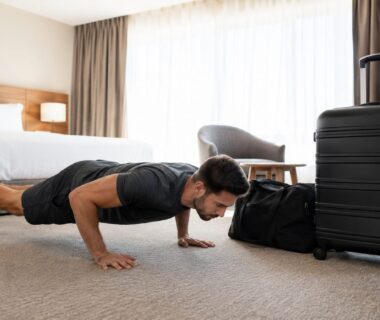
A repeatable travel workout needs no gym or mat. Use squats, push-ups, lunges, hinges, planks, and safe luggage loading to train anywhere with control.
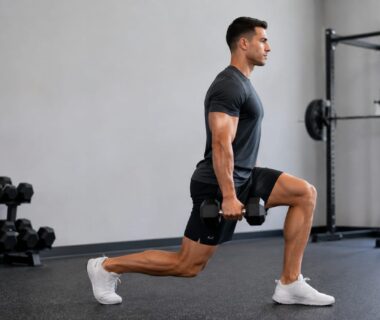
A stable staggered stance, tripod foot pressure, and controlled descent turn unilateral squats into strength work instead of a balance test every rep.
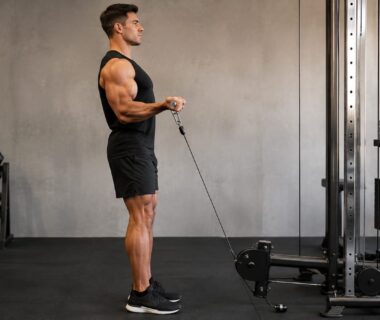
A simple cable arm workout can cover biceps, triceps, and forearms with repeatable setups, smart attachments, clean technique, and steady progression.
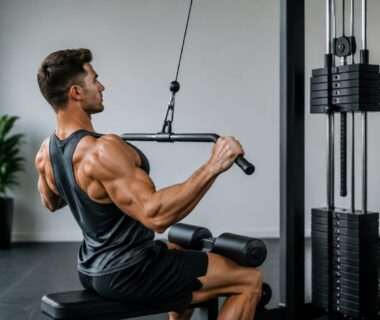
Your lats drive the lat pulldown while biceps and upper back assist. Use elbow-led form, a moderate grip, and controlled returns so arms stop stealing the set.
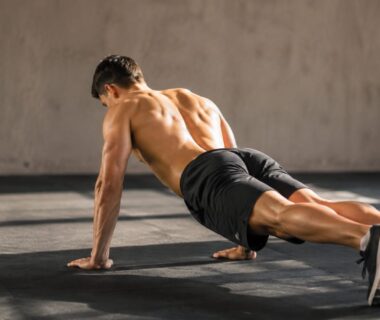
Build better shoulder-blade control with a short pec-minor routine covering push-up plus drills, pressing, scapular work, mobility, and pain-free progression.
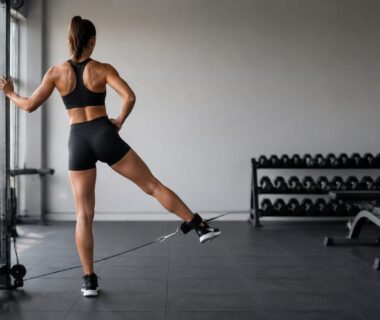
Standing band or cable abduction with slight hip flexion and toes forward is the main direct TFL move; glutes and single-leg work finish the plan.
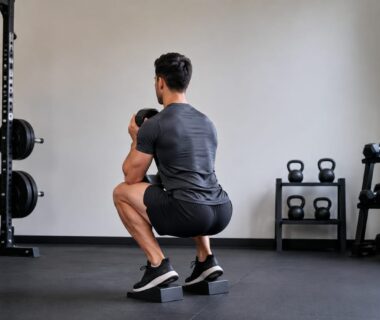
Hard, controlled knee flexion matters more than toe angles for the outer quad. Use squats, split squats, step-ups, and extensions with steady progression.
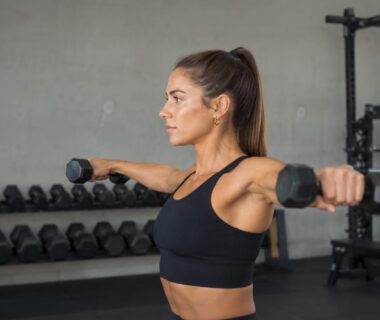
Pain-free presses, rows, carries, and wall slides train the subclavius through shoulder control, with guidance on technique, progression, and warning signs.
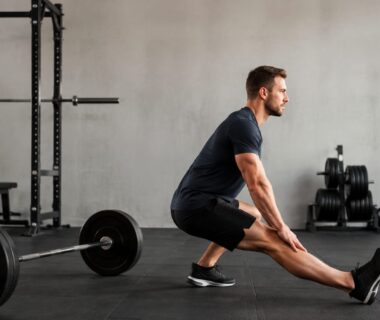
Most flexibility gains come from repeatable practice, not pain or extreme stretches. This guide explains timelines, anatomy, recovery, and safer methods.
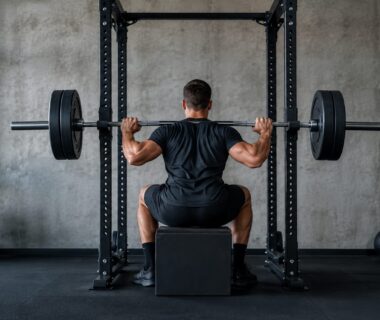
Build strength with box squats by mastering box height, bracing, quiet contact, and controlled pauses, plus the signs that tell you to lower the load.

Stable lifts, measured changes, and smart progression help you build muscle while reducing wasted fatigue, joint irritation, and training guesswork.
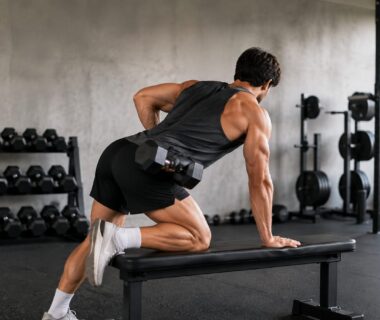
Controlled unilateral training can reduce movement differences. Use this expert process to assess each side, match clean reps, and know when pain needs care.

Improve lifting control with stable exercises, lighter practice sets, controlled reps, and useful cues while still prioritizing progression, food, and recovery.