

How Cluster Sets Preserve Speed for Strength and Power
Cluster sets preserve bar speed and technique during heavy work. This guide explains intraset rest, loading, lift selection, and practical programming rules.
Cluster sets preserve bar speed and technique during heavy work. This guide explains intraset rest, loading, lift selection, and practical programming rules.

Velocity-based training helps advanced lifters adjust load, control fatigue, and track progress on variable days without relying on constant max testing.

Add light bands or chains to one stable lift, track every setup detail each time, and progress only when reps stay controlled, fast, and repeatable.
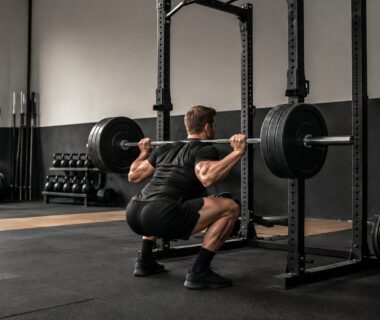
Use double progression, honest technique, small load increases, and recovery checks to keep training productive when progress slows for advanced lifters.
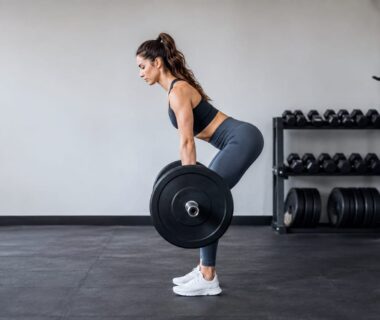
A braced trunk, hips pushed back, and a load held close create the hinge pattern for safer deadlifts. Drill it unloaded, check with a dowel, then add weight.

A stable staggered stance, tripod foot pressure, and controlled descent turn unilateral squats into strength work instead of a balance test every rep.
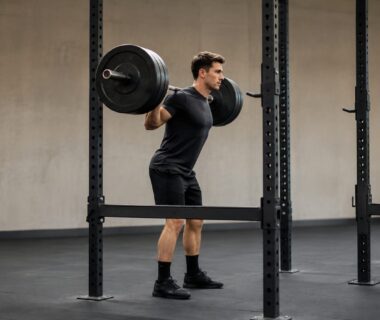
A clean, repeatable single beats a grinder because you can train from it, using small planned jumps, long rests, and at most three serious attempts.

Rest-pause training can save time and build muscle when applied to stable exercises, with clear rules for load, pauses, clean reps, progression, and recovery.

Muscle confusion is a myth: consistent exercises, progressive overload, recovery, and planned variation make strength and muscle gains easier to measure.

Standing band or cable abduction with slight hip flexion and toes forward is the main direct TFL move; glutes and single-leg work finish the plan.
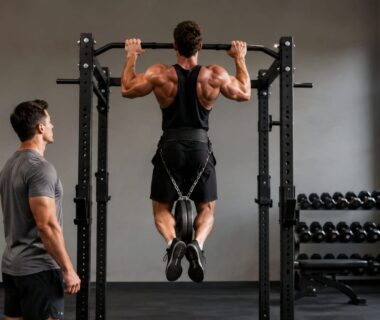
Controlled lowering, gradual loading, and recovery make negative reps useful for strength and muscle without turning training into a soreness contest.

Linear progression builds strength and muscle through repeatable lifts, clean reps, small increases, and fatigue control. This guide shows how to apply it.

Stable lifts, measured changes, and smart progression help you build muscle while reducing wasted fatigue, joint irritation, and training guesswork.

For most busy natural lifters, 3×5 delivers strength with less fatigue. Compare volume, loading, recovery, progression, and when 5×5 makes sense.

Time under tension can improve lifting technique, but it is not a shortcut to muscle growth. Learn how tempo, pauses, effort, and progression fit together.
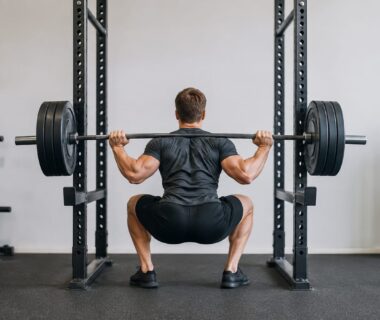
Heavy, moderate, and lighter days rotate training stress while main lifts stay fixed. Covers setup steps, research, progress rules, and a three-day plan.