A Simple 10-Minute No-Bake Protein Bar Formula

 0
0
 0
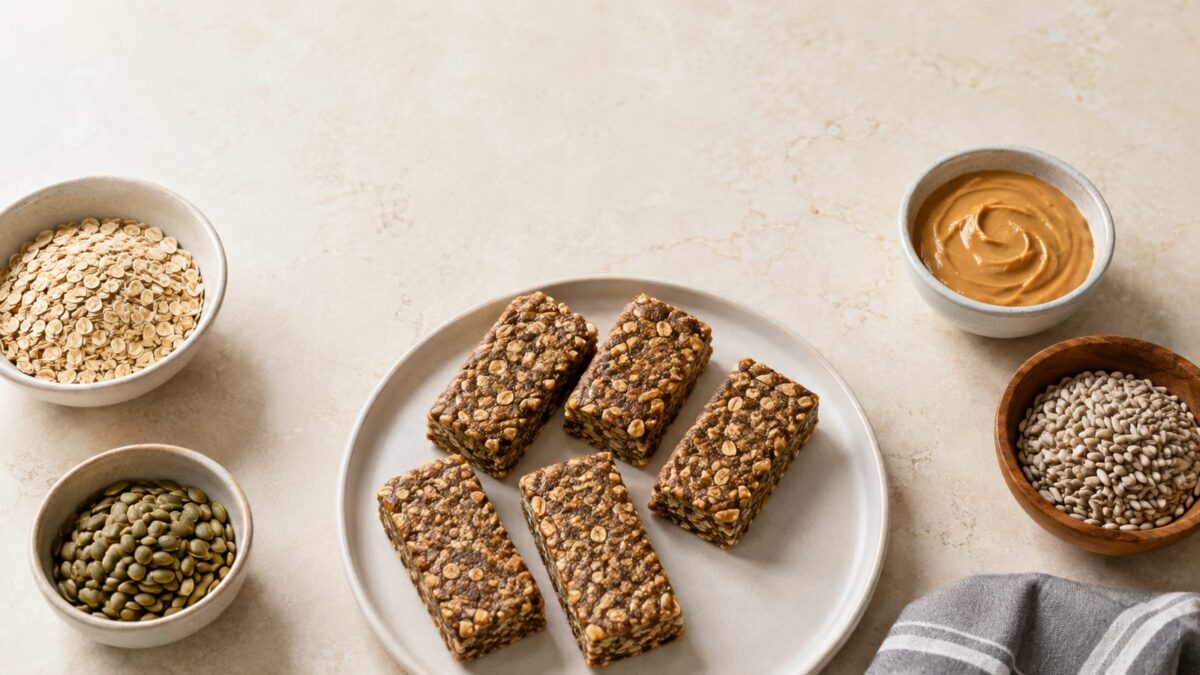
0 DIY healthy protein bars you can make quickly should stay simple. Keep peanut butter oat bars, chocolate almond bars, vegan seed-butter bars, and refrigerated Greek yogurt bars. Mix oats, protein powder, a binder, sweetener, and enough liquid to hold the batch together. Press, chill, and cut. Skip recipes that turn a quick snack into a sink full of dishes.
Last updated: 2026-08-22
The work is quick. Chilling takes longer, but you don’t need to stand beside the refrigerator and supervise it. Make a repeatable base, portion it honestly, and let regular meals handle most of your nutrition.
How do you make protein bars in under 10 minutes?
Set out every ingredient before you start. You need rolled oats, protein powder, nut or seed butter, a liquid sweetener, and milk or water.
Then follow this order:
- Line the pan with parchment paper.
- Stir the oats and protein powder together.
- Add the nut or seed butter and sweetener.
- Mix until the oats look evenly coated.
- Add liquid in small splashes until the mixture holds together.
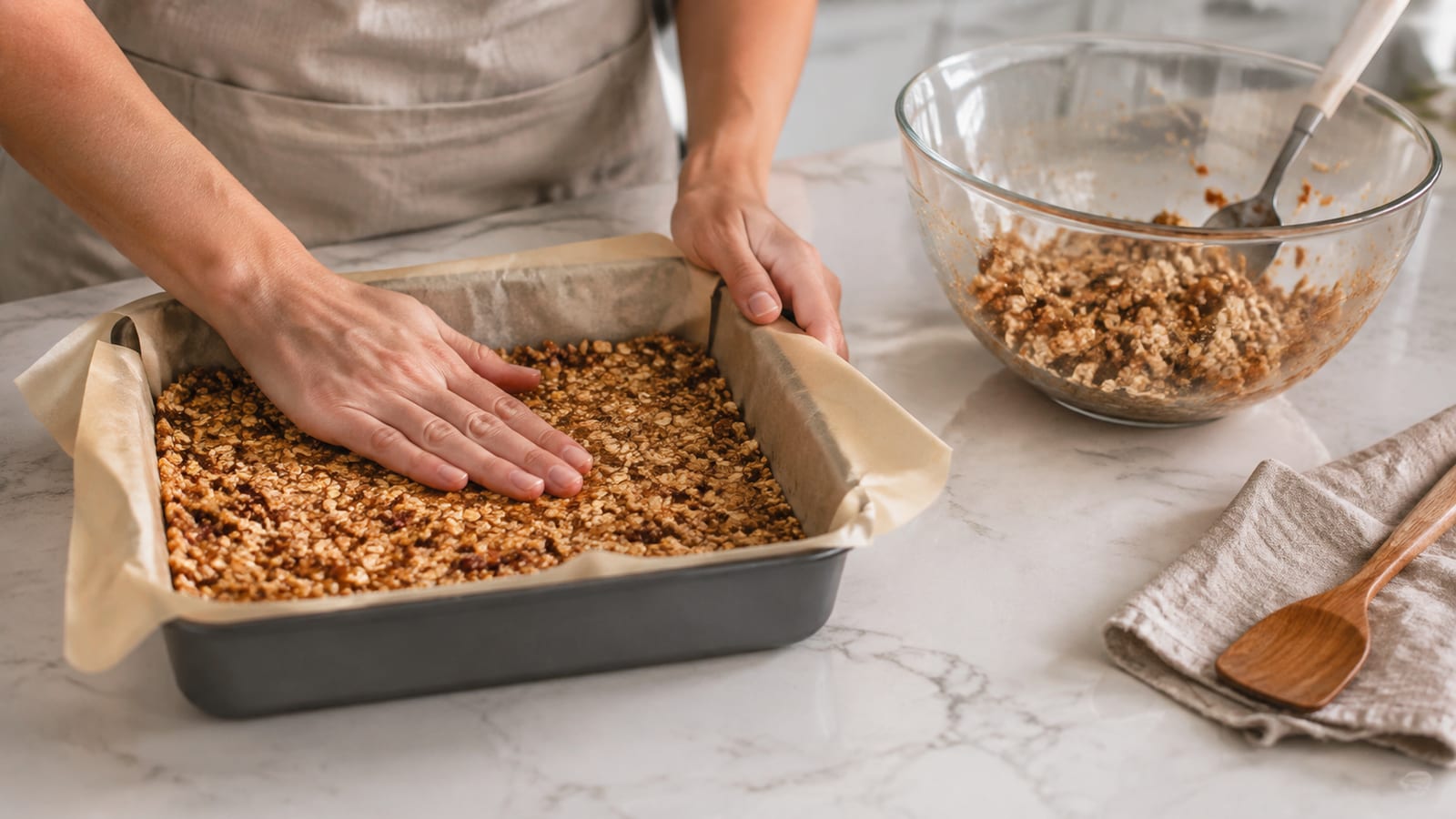
- Press the mixture firmly into the pan.
- Chill until firm, then slice.
Mixing the dry ingredients first prevents protein powder lumps. It also makes the wet ingredients easier to spread through the oats.
The mixture should feel soft and tacky. Squeeze a small amount in your hand. If it stays together without coating your fingers like paste, press it into the pan.
Quick oats absorb liquid faster and usually produce a smoother bar. Old-fashioned rolled oats also work, but give them time to soften before deciding the mixture is too dry.
One published protein-bar formula uses 90g vanilla protein powder in a batch. That is a useful reference point, but your powder may absorb liquid differently. Texture gets the final vote.
The active work is quick because there’s no baking, blending, or shaping individual bars. However, the slab still needs time to set. A no-bake peanut butter brownie bar recipe specifies at least 15 minutes of chilling before slicing.
The basic no-bake formula
A dependable homemade bar needs each ingredient to do a clear job.
- Rolled oats: Give the bars structure and carbohydrates.
- Protein powder: Raises the protein content and thickens the mixture.
- Nut or seed butter: Adds fat, moisture, and binding.
- Honey, maple syrup, or date syrup: Adds sweetness while helping the mixture hold together.
- Milk or water: Corrects a mixture that is too dry.
Don’t dump everything into the bowl and hope stirring fixes it. Protein powder can absorb liquid quickly, while natural nut butter may be oily at the top and dry at the bottom.
Stir separated nut or seed butter before measuring it. Otherwise, one batch may turn greasy while the next crumbles.
Add liquid last and in small splashes. You can always add more. Removing excess liquid means adding more dry ingredients, which can throw the whole recipe out of balance.
Pressing matters as much as mixing. Place parchment over the surface and push down with a flat measuring cup or the bottom of a glass. Loose packing creates weak spots that split during slicing.
Fast flavor options that still work
Start with one of these versions. Each uses the same bowl-and-pan method, so you aren’t learning a new recipe every time.
Peanut butter oat bars
Keep this as the default option. Peanut butter binds well, oats are inexpensive, and vanilla or chocolate protein powder both fit.
Mix rolled oats, protein powder, peanut butter, honey or maple syrup, and enough milk to bind everything. Add cinnamon or cocoa if you want a stronger flavor.
If the mixture is dry, add a little more peanut butter or liquid. If it spreads like batter, add oats and press it again.
Chocolate almond bars
Use almond butter and add unsweetened cocoa powder to the base. This gives you a dessert-style bar without relying on a large amount of chocolate.
However, almond butter can be looser than peanut butter. Add oats or protein powder if the mixture won’t hold its shape.
A little chopped dark chocolate works, but portion it before mixing. Pouring from the bag is how a practical snack becomes a chocolate bar with oats nearby.
Vegan seed-butter bars
Use plant protein with sunflower-seed butter, tahini, or soy nut butter. Maple syrup or date syrup keeps the recipe dairy-free.
Plant protein often absorbs more liquid and can feel grainy. Add liquid slowly, then let the mixture sit before correcting it again.
Sunflower-seed butter gives a firm, mild bar. Tahini tastes sharper, while soy nut butter creates a thicker texture that resembles peanut butter.
Greek yogurt oat bars
Greek yogurt adds protein and moisture. It also makes the bars softer, so use a thick yogurt and reduce the added milk.
These bars need refrigeration. They suit a planned snack at home or a packed lunch that stays cold.
Skip this version if the bars will sit in a warm bag. A portable snack should survive the trip you’re asking it to make.
For more practical snack options, see these healthy snacks for muscle gain between meals.
Which protein powder works best?
Whey, casein, and plant protein don’t behave the same way. Pick one, make the base, and adjust the liquid after you see the texture.
| Protein powder | Typical texture | Liquid needs | Best fit |
|---|---|---|---|
| Whey | Soft and sometimes chewy | Needs careful adjustment | Oat and nut-butter bars |
| Casein | Thick and dense | Often needs more liquid | Firm refrigerated bars |
| Plant protein | Grainier and more absorbent | Usually needs the most correction | Vegan and seed-butter bars |
Whey can produce a smooth bar, but too much makes the mixture dry quickly. Casein thickens strongly and may create a dense result. Meanwhile, plant protein can absorb enough moisture to turn a workable mixture crumbly while it sits.
Don’t switch the powder and binder in the same batch. Change one variable at a time so you know what caused the difference.
Protein powder also changes the nutrition of the finished bar. EatingWell’s Homemade Protein Bars lists 7 grams of protein per serving, but that figure belongs to that recipe and portion size. Read your powder label, total the batch, and divide it by the number of equal bars you cut.
Binder swaps that hold the mixture together
You can replace nut butter, but you can’t leave an empty space where the binder should be. Oats and protein powder won’t hold together through positive thinking.
Use one of these options:
- Sunflower-seed butter: A dependable nut-free choice with a firm texture.
- Tahini: Smooth and effective, though its flavor is more bitter and savory.
- Soy nut butter: Thick and reliable, with a texture close to peanut butter.
- Coconut butter: Firms strongly when cold but can become dry without added moisture.
- Mashed banana: Adds moisture and sweetness while producing a softer bar.
- Greek yogurt: Adds protein and moisture but requires cold storage.
Seed butters can separate in the jar. Stir them fully before they enter the bowl.
Banana and yogurt change more than flavor. Both raise the moisture level, soften the slab, and shorten its useful storage time. Reduce other liquids and keep the bars refrigerated.
If food allergies are part of the decision, check every protein powder and mix-in label. The FDA guidance on food allergies explains how major allergens appear on packaged food labels.
Sweeteners change more than sweetness
Honey and maple syrup work well because they add liquid and binding at the same time. Dates, banana, and applesauce can work, but they create a softer mixture.
| Sweetener | Binding | Moisture | Best fit |
|---|---|---|---|
| Honey | Strong | Moderate | Firm oat bars |
| Maple syrup | Good | Moderate | Mild bars that mix easily |
| Date syrup | Good | Moderate | Dense, chewy bars |
| Dates | Strong after blending | Higher | Food-processor mixtures |
| Mashed banana | Moderate | High | Soft refrigerated bars |
| Applesauce | Weak to moderate | High | Moist bars with extra oats |
Dates need to be softened or blended before they spread evenly. One date-based protein-bar recipe uses 2 large dates in its mixture. That method gives a chewy result, but it isn’t the fastest choice unless your processor is already set up.
Banana and applesauce add more water than syrup. Therefore, use less milk and expect the finished bars to stay soft.
Date syrup, honey, and maple syrup suit the quickest bowl method. They mix through the oats without another appliance to wash.
Don’t treat mashed fruit as a direct syrup swap. Adjust the dry ingredients and storage plan as well.
Vegan and gluten-free adjustments
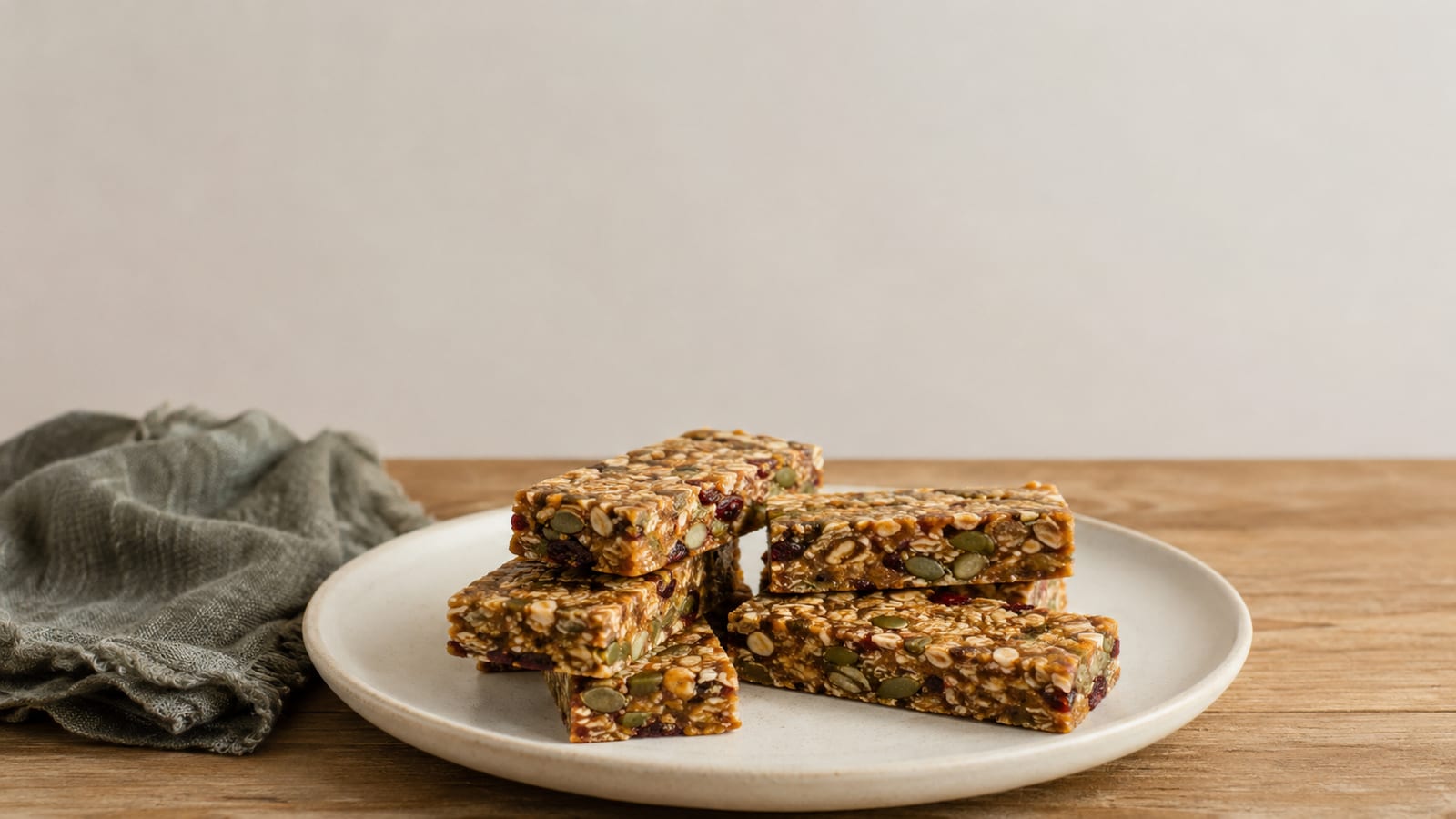
Use vegan protein powder, a plant-based binder, certified gluten-free oats, and dairy-free mix-ins. The mixing and pressing method stays the same.
Certified gluten-free oats matter if you need to avoid gluten. Oats don’t naturally contain gluten, but cross-contact can happen during growing and processing. Read the package rather than assuming any bag of oats will work.
Useful vegan binders and sweeteners include:
- Sunflower-seed butter
- Tahini
- Soy nut butter
- Maple syrup
- Date syrup
- Blended dates
For mix-ins, use seeds, cacao nibs, coconut, or dairy-free dark chocolate. Check labels carefully because chocolate and protein powders can contain milk ingredients.
Plant-based bars often need more liquid than whey-based versions. Still, add it slowly. If the mixture crumbles after a firm squeeze, add binder or liquid before reaching for more sweetener.
Raising the protein without ruining the texture
Add protein gradually. A large scoop may improve the nutrition estimate while producing a bar that tastes like compressed chalk.
Useful additions include:
- Extra protein powder
- Powdered peanut butter
- Nonfat milk powder
- Greek yogurt
- Powdered egg whites
- Seeds that contribute some protein
Every dry protein source needs moisture. Add milk, water, yogurt, or nut butter until the mixture passes the squeeze test again.
Powdered peanut butter strengthens the peanut flavor without adding as much fat as regular peanut butter. However, it absorbs liquid and can make the slab dry.
Nonfat milk powder works in dairy-based bars. Powdered egg whites also raise protein, though they can make the texture dense and don’t suit vegan recipes.
Greek yogurt is the easier choice for refrigerated bars. It softens the mixture and adds protein, but portability gets worse.
Aim for a useful snack, not the largest protein number you can force into the pan. A moderate bar you’ll eat beats a dry one that stays in the container.
For a broader food plan, use these easy meal-prep ideas for muscle gain on a budget.
Mix-ins should make the bar better
Choose a small amount of one or two mix-ins. A crowded bar is harder to press, harder to slice, and often much heavier than you planned.
Good options include:
- Pumpkin seeds or sunflower seeds
- Chopped almonds, peanuts, or walnuts
- Cacao nibs
- Unsweetened coconut
- Cinnamon
- Chopped dried fruit
- Dark chocolate
- Flaky salt for chocolate bars
Chop nuts and dried fruit before mixing. Large pieces leave gaps in the slab, and the knife follows those gaps when you cut it.
Cacao nibs add crunch without much sweetness. Dried fruit adds chew and concentrated sweetness, while cinnamon changes the flavor without changing the structure.
Add toppings after pressing the mixture. Then push them into the surface so they stay attached during storage.
If you plan to eat a bar before training, keep digestion in mind. Heavy amounts of nuts, seeds, and dried fruit may sit poorly during hard exercise. Use this guide to the best carbs before a workout for muscle growth and energy to build the rest of the snack.
How do you fix dry, sticky, or crumbly bars?
Correct the texture in small steps. Large changes usually replace one problem with another.
| Problem | Likely cause | First correction |
|---|---|---|
| Dry and powdery | Too much protein powder or too little binder | Add nut butter or a small splash of milk |
| Crumbly after pressing | Poor compression or too little liquid | Press harder, then add liquid if needed |
| Sticky and loose | Too much syrup, fruit, or liquid | Add oats or a little protein powder |
| Hard after chilling | Too much dry ingredient | Let the mixture warm, then add binder |
| Soft after chilling | High-moisture ingredients | Add oats and chill again |
If the mixture crumbles in the bowl, test a small handful first. Squeeze it firmly before changing the full batch.
If sticky bars remain loose after chilling, more time won’t always save them. Mix in oats or protein powder, then press the slab again.
Hard bars may soften after sitting briefly at room temperature. Cold nut butter and coconut butter can firm more than expected.
Protein powders vary. So do oats and separated nut butters. Once everything is in the bowl, the squeeze test is more useful than blindly following a formula.
Cutting, storage, and portions
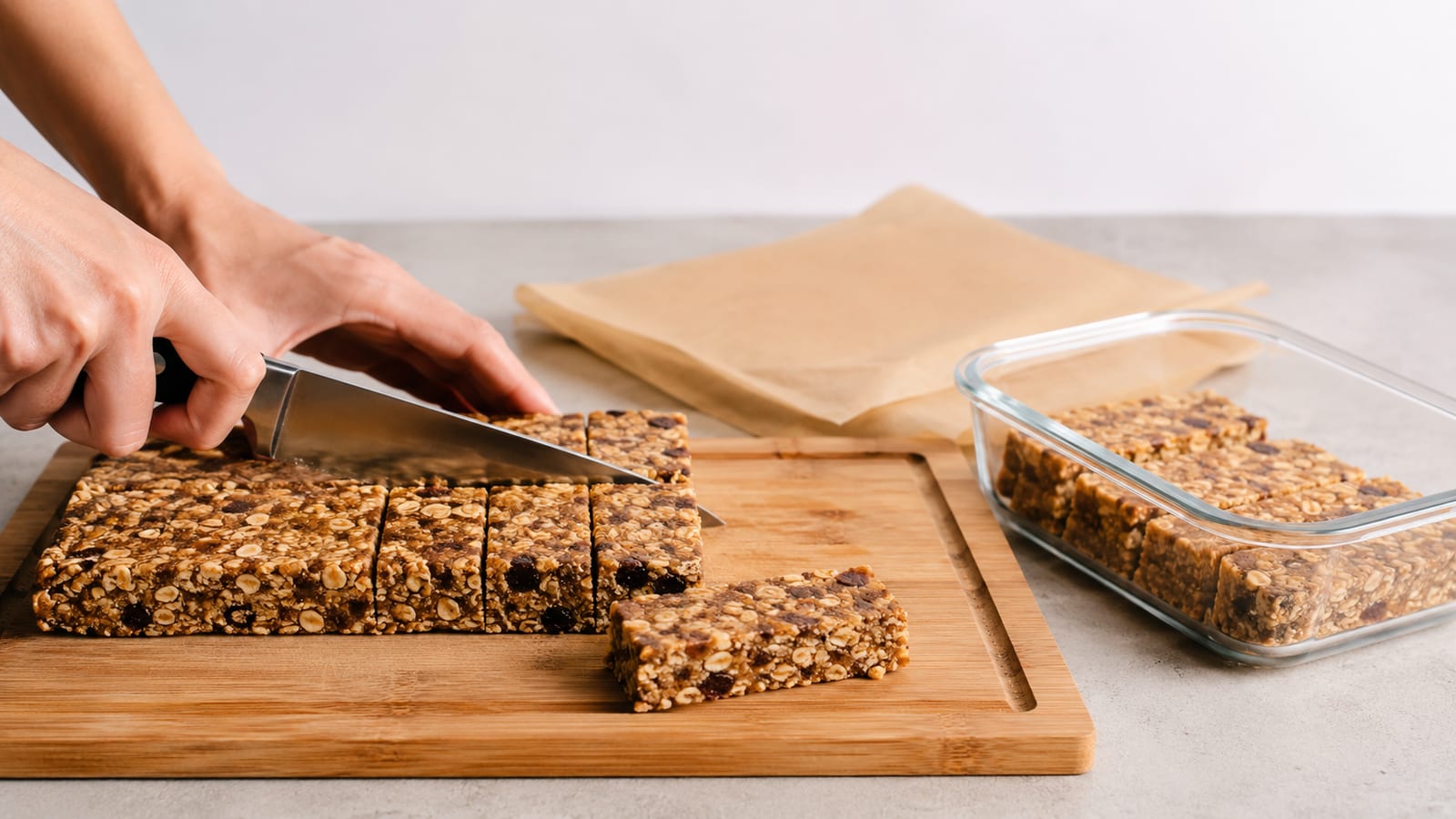
Chill the slab before cutting it. Then use a sharp knife and wipe the blade between slices so sticky edges don’t drag through the next bar.
Cut equal pieces if you track calories or protein. Uneven bars turn a careful estimate into guesswork.
A chocolate-peanut butter energy bar recipe lists a finished yield of 16 bars. That shows how a full slab can become snack-sized portions rather than oversized meal replacements.
Store firm oat bars in a sealed container in the refrigerator. Put parchment between layers if the surfaces remain sticky.
Freeze bars you won’t eat soon. Separate or wrap them before freezing so you can remove one without thawing the batch.
Greek yogurt, banana, and applesauce bars need stricter cold storage because they contain more moisture. Follow the FDA guidance for refrigerator safety and discard bars that develop an unusual smell, appearance, or texture.
Use a bar between meals, after training, or beside fruit and yogurt. It can support your daily food intake, but it shouldn’t push vegetables, whole-food protein, and balanced meals off the plate.
The best version is the one you can repeat. Keep the base steady until the texture works, then change one ingredient at a time.
FAQ
Can you eat homemade protein bars before a workout?
Yes, if they digest well for you. Choose a simple oat-based bar and keep rich additions modest if nuts, seeds, or dried fruit feel heavy during training.
Do homemade protein bars need to be baked?
No. Nut or seed butter and liquid sweetener can bind oats and protein powder without an oven. Chilling firms the mixture enough for slicing.
Why do homemade bars taste chalky?
The mixture probably contains too much protein powder for its binder and moisture. Add nut butter, yogurt, or a small amount of liquid. Cocoa or peanut butter can also cover a powdery flavor, but texture still needs fixing.
Can you make them without a food processor?
Yes. Oat bars made with syrup and nut or seed butter only need a bowl and spoon. A processor becomes useful when whole dates or nuts must form the base.
Are homemade protein bars healthier than packaged bars?
Sometimes, because you control the ingredients and portion size. However, homemade bars can still contain more sweetener, fat, or calories than expected. Judge the full recipe, not the word “homemade.”