Gym Etiquette Basics: How to Train Considerately

 0
0
 0
0 Good gym etiquette is simple: follow the facility’s rules, keep yourself and your equipment clean, share fairly, lift safely, and leave every station ready for the next person. This complete guide to gym etiquette for beginners gives you the habits that protect training time, equipment, and other lifters. You don’t need elaborate rituals. You need repeatable standards.
Last updated: 2026-08-24
What does your complete guide to gym etiquette cover?
Start by learning the rules of the specific gym you joined. Every facility has its own policies for equipment, clothing, recording, cleaning, spotting, and unsafe behavior.
Before your first workout, check:
- Whether you need an orientation before using certain equipment
- Which areas require particular footwear or clothing
- Whether chalk, lifting straps, bags, or outside equipment are allowed
- Where you can store personal items
- How the gym handles equipment cleaning
- Which areas are for lifting, stretching, classes, or cardio
- How to report damaged equipment
- Whether staff must approve filming, training partners, or outside coaches
Read the posted signs, then ask staff about anything unclear. Guessing is how beginners end up using equipment incorrectly or breaking a rule they didn’t know existed.
Staff instructions take priority over advice from another member. If an employee tells you to unload a machine, stop filming, or move your bag, do it without an argument. The gym’s policy controls that space.
If the gym offers an orientation, take it. You’ll learn where equipment belongs, how machines adjust, and which rules matter most. That short introduction can save you from wasting a workout and gives you a clear place to start.
If your first visit makes you nervous, use these ways to reduce gym anxiety. Confidence comes from knowing your next action, not from pretending you already know everything.
How should beginners handle personal hygiene and gym clothes?
Wear clean training clothes, use deodorant, and bring a towel. You’re sharing close spaces with other people, so basic hygiene is part of gym etiquette.
Choose clothes that let you move without creating a safety problem. Loose drawstrings, dangling jewelry, and clothing that catches on equipment can get in the way. Wear stable training shoes that suit the session and follow the facility’s footwear policy.
A towel helps keep sweat off benches and seats. Still, it doesn’t replace cleaning the surface after use. The towel protects the surface during your set, while the cleaning step prepares it for the next person.
Wash or sanitize your hands before and after training, especially after using shared handles and benches. Keep used tissues, wipes, and clothing in your bag rather than leaving them on a machine.
The CDC recommends cleaning shared exercise equipment before and after use and allowing it to dry before use. Follow the gym’s cleaning method, because some facilities provide spray while others provide disposable wipes.
Stay home if you’re sick. The CDC says you should return to shared spaces when your symptoms are improving overall and you’ve had no fever for at least 24 hours without fever-reducing medicine. That standard protects other members and staff.
Bring the basic items you’ll use, but don’t turn your bag into a mobile storage unit. This guide to essential workout gear for beginners covers the useful basics. More equipment won’t fix poor planning.
How can you stay aware of gym traffic and other lifters?
Look around before you lift, carry equipment, or move between stations. A gym is a shared work area, and people can appear in your path without warning.
Before starting a set:
- Check the space around the bar, dumbbells, cables, and machine arms.
- Make sure nobody is walking behind you or setting up nearby.
- Keep your lifting path clear.
- Confirm that your plates, collars, bench, and attachments are secure.
- Start only when you can complete the movement without crossing into another person’s space.
Never walk in front of someone who is lifting. Wait until the set ends, or take a wider route around the equipment. This matters most near squat racks, platforms, cable stations, and dumbbell areas.
Don’t stand directly behind someone who is squatting or pressing. They may need room to step back, rack the weight, or recover from a missed rep. Stand to the side and keep enough distance for them to move safely.
Choose a safe place to wait. The edge of the lifting area is better than standing between a lifter and a mirror, bench, rack, or dumbbell. Avoid leaning on equipment someone may need next.
You also need to control your own phone use. Set it to silent, keep calls brief, and don’t stop in the middle of a walkway to answer a message. A gym floor is not a lounge with weights scattered around it.
Filming needs extra care. The Edge Fitness Clubs’ policy says taking pictures or videos of other members without their direct consent is strictly prohibited and may result in lost membership privileges. Check your gym’s policy, keep the camera aimed at yourself, and move the phone if another member enters the frame.
How should you use and protect gym equipment?
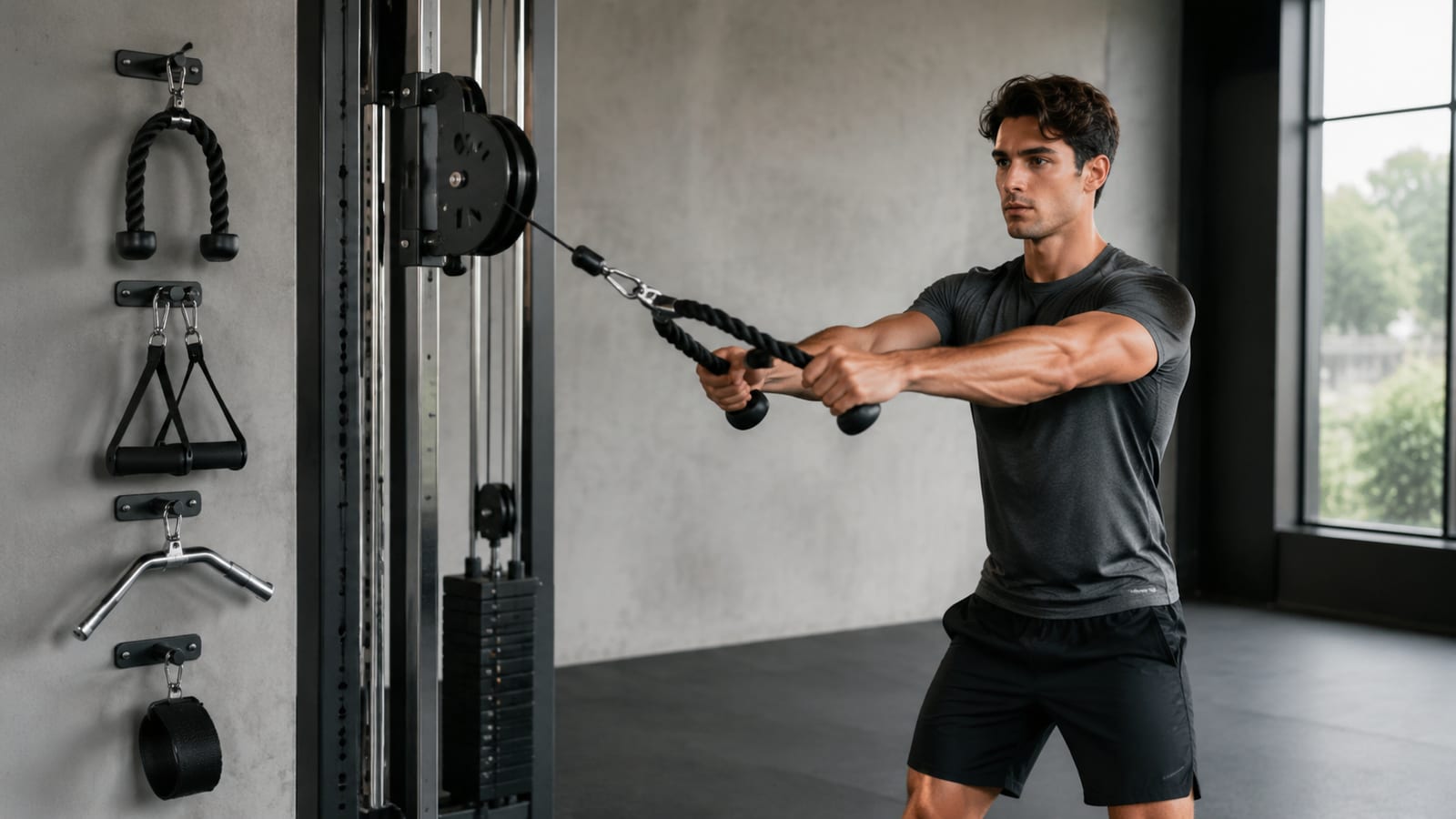
Use equipment for its intended purpose and handle it with control. Machines, benches, bars, and plates cost money, but the bigger issue is safety. Careless handling can injure someone who uses the equipment after you.
Set up each machine before starting. Adjust the seat, handles, pads, and pin so your body is supported and the movement is clear. If you don’t know how an adjustment works, ask staff instead of forcing it.
Control the weight through the full movement you can manage. Don’t slam machine stacks, swing cable handles, or throw dumbbells down because the final rep felt difficult. Hard enough to count still means controlled enough to repeat.
Keep plates and attachments off walkways. Store them in their marked locations when you’re finished. A loose plate beside a bench becomes a trip hazard, and a missing cable attachment wastes the next person’s time.
Report damaged or unstable equipment immediately. Tell staff if a bench rocks, a cable frays, a pin won’t lock, or a plate is cracked. Don’t keep using unsafe equipment because your workout plan says that station is next.
Don’t try to repair gym equipment yourself. Mark the problem clearly if staff gives you a way to do so, then choose another exercise. Your plan has to adapt when the equipment isn’t safe.
How do you share equipment fairly when the gym is busy?
Assume shared equipment is available unless someone has clearly told you they’re using it. Don’t place a towel on several machines to reserve them, then disappear for an extended break. That isn’t organization. It’s equipment hoarding.
If someone is waiting, offer reasonable turn-taking. Say, “Are you using this between sets?” Then agree on the order and keep the exchange simple.
You can ask to work in between sets if the equipment adjusts quickly and your loads are compatible. Avoid working in on a barbell when changing plates would create confusion or risk. In that case, finish your set, then let the other person work.
Keep rest periods focused. You don’t need to rush demanding sets, but long phone breaks are different from planned recovery. If you’re scrolling while someone waits beside the machine, the machine is no longer serving your workout.
Supersets need more space and awareness. If your plan uses a bench, cable, and dumbbells at once, release the equipment when someone needs it. A busy gym doesn’t owe your circuit uninterrupted access to half the room.
Adapt the session instead:
- Use a similar machine if the first choice is occupied.
- Switch the exercise order.
- Use dumbbells instead of a barbell when the rack is full.
- Take a short walk and return when the station opens.
- Ask staff which equipment is available for the same movement.
Keep the main training goal intact. You don’t need the exact machine to train the same pattern. A sensible substitute beats standing beside a station and guarding it.
When should you re-rack weights?
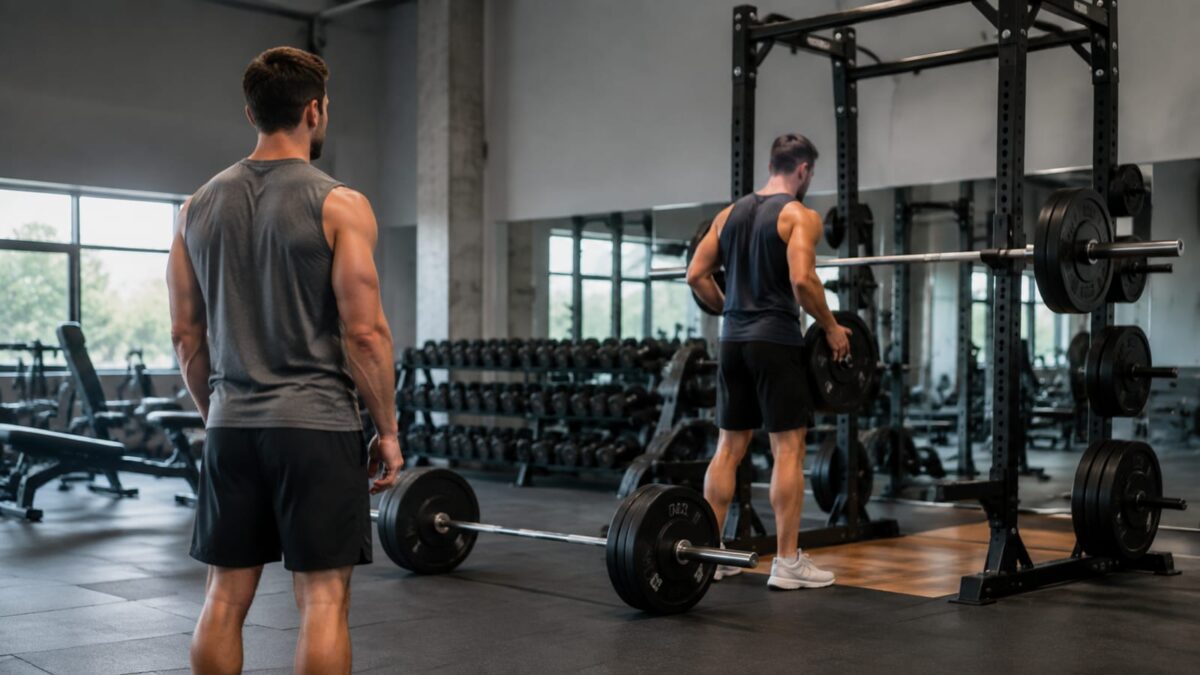
Re-rack weights after every exercise. This is the default, not a favor you perform when someone asks.
Return plates to the correct storage peg, dumbbells to the rack, collars to their holder, and cable attachments to their marked location. If the gym separates weights by size or type, follow that system.
Unload a bar after your final set unless another lifter has clearly claimed it. If someone is waiting to use the same bar, ask before leaving plates on it. Otherwise, the next person has to do your cleanup before starting.
Don’t leave a loaded bar on a bench, rack, or platform while you take a long break. If you need to leave the area, unload it and clear the station. A station is available when another member can use it without first solving your problem.
Re-racking also prevents damage. Dropped dumbbells, scattered plates, and loose attachments get in the way of normal traffic. Good gym etiquette leaves the equipment ready for the next useful set.
How should you use dumbbells and barbells responsibly?
Choose a weight you can carry, set up, and lift with repeatable technique. A heavier dumbbell that forces you to twist across the room or throw it into position is the wrong weight.
Carry dumbbells at your sides with a clear path ahead. Don’t walk through a lifting area while staring at your phone. If the dumbbells are heavy, take extra care before turning or setting them down.
Place dumbbells under control. Avoid dropping them unless the equipment and facility clearly allow it for a genuine safety reason. A failed rep is not an automatic excuse to launch weights across the floor.
Load barbells evenly and use collars when the movement requires them. Check that plates are secure before lifting. When you finish, unload the bar in a controlled order and return everything to storage.
Use a load that supports measurable progress. You should be able to add weight or reps over time without changing the movement into a swing, bounce, or shortened version. Good reps come before more weight.
If your form changes sharply, stop the set. Leave reps in reserve when you need to protect technique and recovery. The goal is to earn the next increase, not to win a loud argument with the equipment.
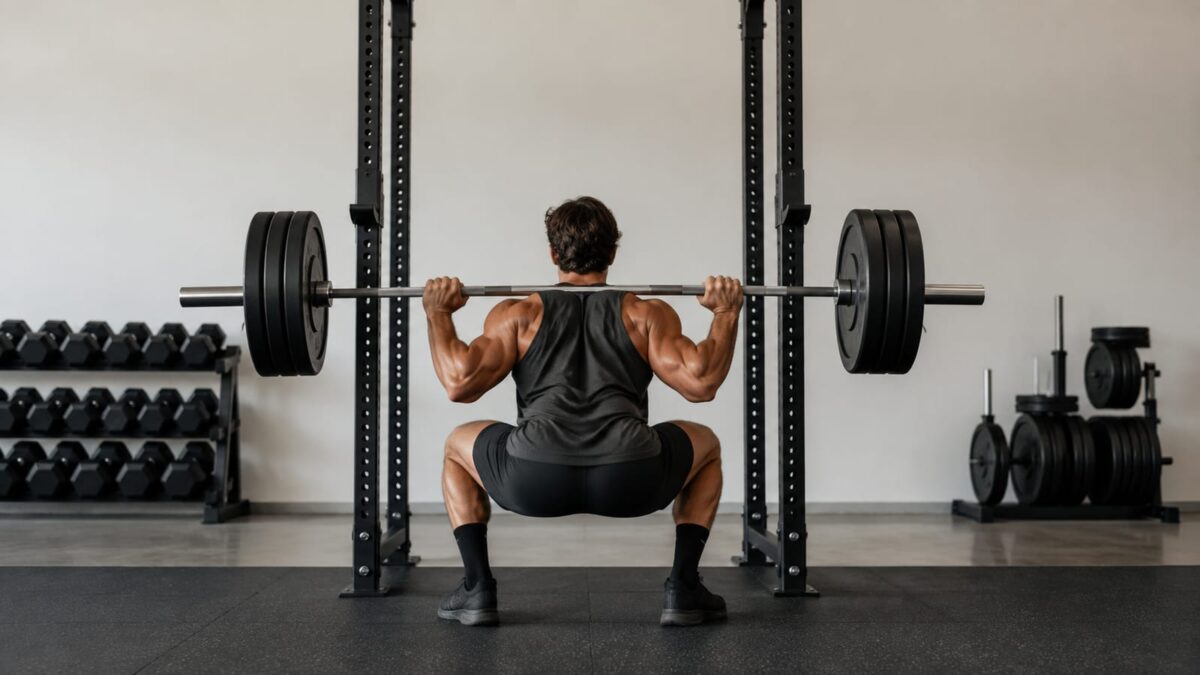
What is the right way to use a squat rack?
Treat the squat rack as a work station, not a personal locker. Set it up, complete your work, and clear it for the next lifter.
Before using it, check whether the gym has a reservation system. If it does, follow that system. If it doesn’t, don’t leave a towel or water bottle on the rack while you train somewhere else.
Set the bar height and safety pins before loading plates. The safeties should support the bar if you miss a rep, but they must not interfere with the movement. Ask staff for help if you don’t know how to set them.
Load and unload both sides evenly. Keep plates close to the rack and don’t leave them on the floor where someone may step over them. Use a spotter for lifts that need one, but don’t assume a random member can safely rescue a weight they don’t understand.
A spotter should know what you need before the set starts. Explain whether you want help only if the bar stalls or whether you need assistance with the lift-off. If the gym has staff rules for spotting, follow them.
After your final set:
- Return the bar to the rack.
- Remove all plates and collars.
- Return the plates to their storage locations.
- Put away any pad, mat, or attachment you used.
- Check that the rack and floor are clear.
- Leave the area so another member can set up.
Don’t perform curls, long phone sessions, or unrelated exercises inside a rack during a busy period. The rack exists for lifts that need it.
What is the right way to use a bench?
Place the bench where the exercise requires it, then keep the surrounding area clear. Don’t drag it across another lifter’s path or block a rack, cable station, or dumbbell rack.
Check the bench before using it. Make sure the frame is stable, the adjustment is locked, and the pad is clean. Wipe it after your final set, and wipe it before use if the previous member left sweat behind.
If another member is waiting, share the bench between sets when the setup allows it. Keep your phone breaks short and stay close enough to return promptly. If you’re done, move the bench back to its proper position.
Ask before spotting someone on a bench press. A spotter needs to understand the lifter’s plan and stay attentive throughout the set. Don’t touch the bar unless the lifter asks or the situation clearly requires help.
Never sit on a bench while someone is trying to set up around it. Give them room to lie down, unrack the bar, and finish the movement safely.
A bench is ready for the next person when it’s clean, empty, and placed where it belongs. That standard takes little effort and prevents needless friction.
How can you train hard without making the gym unpleasant for everyone?
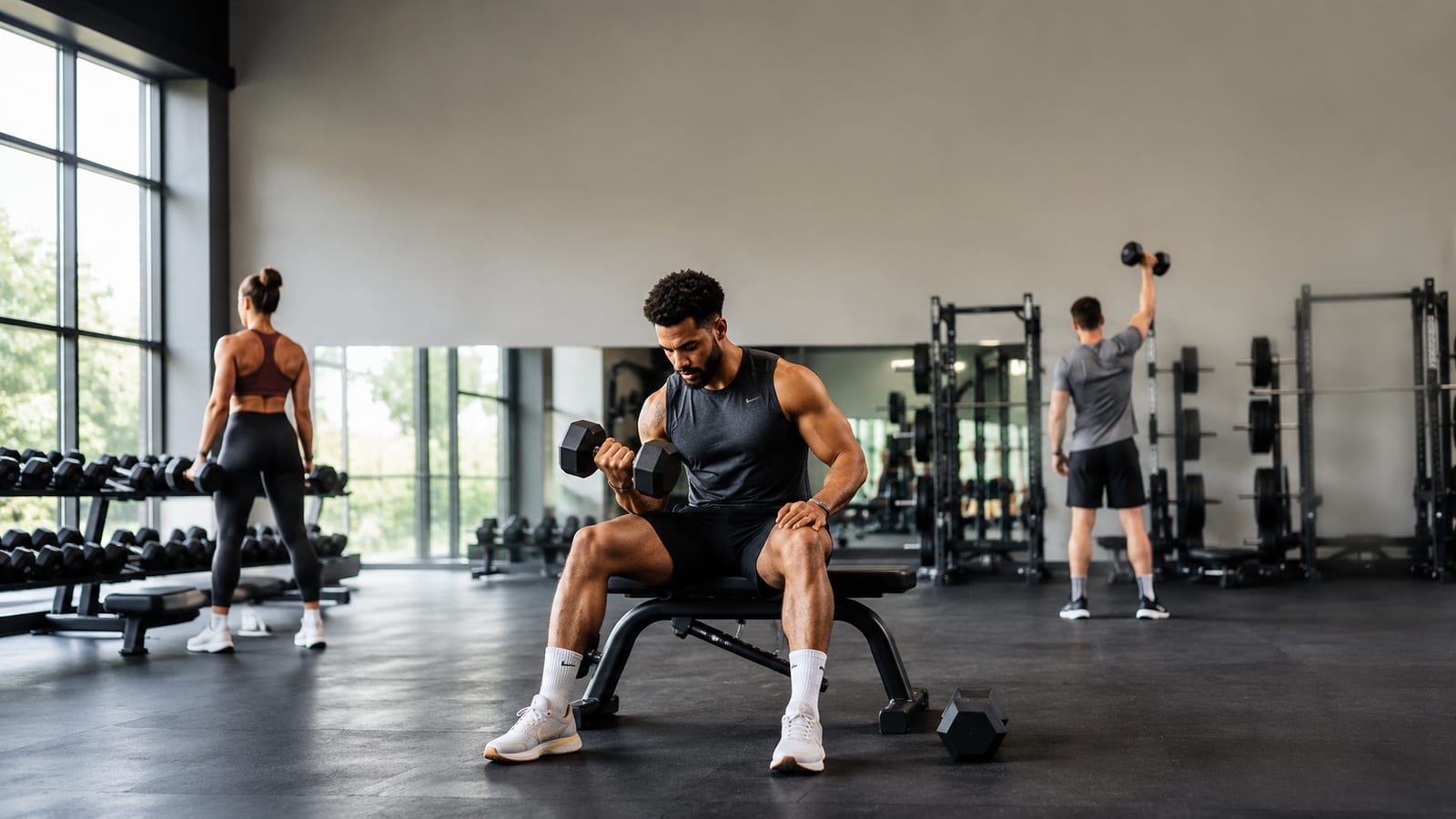
Train with intent, but keep your behavior under control. Productive effort doesn’t require shouting, slamming weights, pacing through the room, or turning every set into a performance.
Use recoverable effort and sound technique. Most people can build strength and muscle with focused sets, steady progression, and enough recovery. You don’t need to make the whole gym participate in your final rep.
Control the noise you create. Some sound is normal during hard lifting, but repeated yelling, dropping equipment, and loud conversations disrupt other members. If the gym permits weight drops in a specific area, use that area and follow the posted rules.
Don’t give unsolicited coaching. Offer help only if someone appears unsafe or asks for advice. A beginner may be learning, but that doesn’t make you the self-appointed instructor of every set nearby.
Keep attention-seeking behavior out of the plan:
- Don’t flex in front of someone’s camera.
- Don’t film other members.
- Don’t interrupt a set to start a conversation.
- Don’t mock a beginner’s exercise choice or load.
- Don’t claim a station just to make your workout look bigger.
- Don’t use unsafe weight for the sake of appearance.
The natural lifter with limited time benefits from simple training. A clear plan, quality reps, and a logbook will do more than an exhausting display that leaves everyone else waiting.
If you want a short, focused session, use this 30-minute lunchtime gym routine as a model. Short training works when every set serves a purpose and every transition stays organized.
What should you do if you make an etiquette mistake?
Fix the problem quickly and don’t turn it into a speech. Most gym mistakes are easy to correct if you stop defending them.
Use this recovery sequence:
- Stop the behavior.
- Say, “Sorry, I didn’t realize someone was waiting.”
- Return the equipment or clear the space.
- Let the other member continue.
- Follow staff instructions if the issue involves a facility rule.
If you left plates on a bar, unload them. If you blocked a walkway, move your bag. If you crossed in front of a lifter, wait until they finish and give them space.
If you filmed someone without permission, stop recording and delete the footage if the gym requires it. The Edge Fitness Clubs policy treats recording other members without direct consent as a serious violation, so don’t argue about whether the person was “barely in the background.”
You don’t need to punish yourself for a mistake. Learn the rule, correct the action, and keep training. Defensive excuses waste more time than the original error.
What should a beginner’s gym etiquette checklist include?
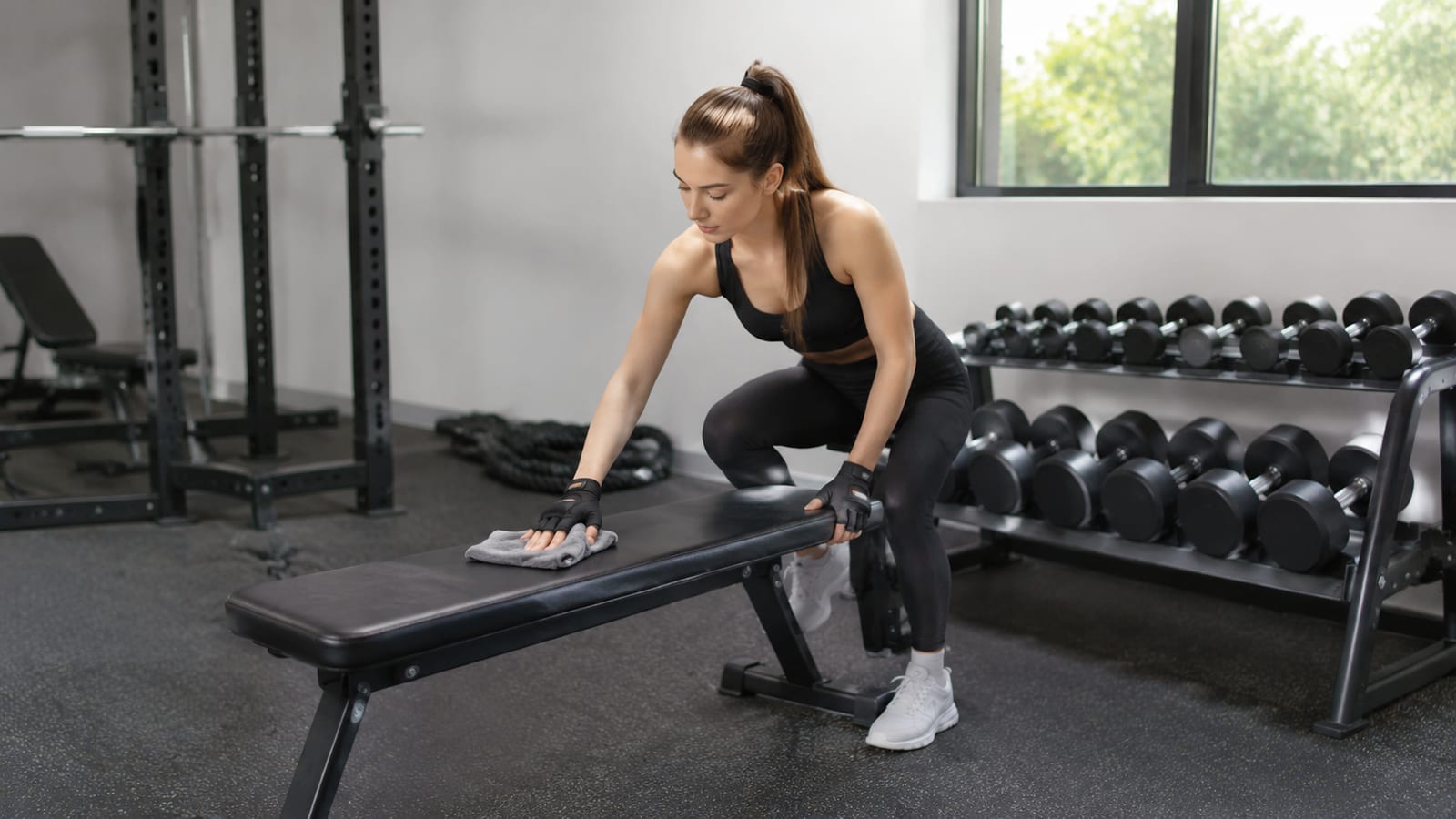
Use this checklist before, during, and after each workout.
Before training
- Check the gym’s posted rules.
- Complete any required orientation.
- Wear clean clothes and suitable footwear.
- Bring a towel and water.
- Set your phone to silent.
- Plan your main exercises and reasonable alternatives.
- Store your bag where the gym allows it.
- Stay home if you’re sick under the CDC’s shared-space guidance.
During training
- Check your surroundings before each set.
- Keep lifting paths and walkways clear.
- Adjust equipment correctly.
- Use weights you can control.
- Ask before working in.
- Share equipment during busy periods.
- Keep phone breaks short.
- Don’t film other members without direct consent.
- Control unnecessary noise.
- Offer help only when it’s wanted or clearly needed.
After training
- Clean shared equipment before leaving it.
- Allow cleaned equipment to dry before use, following the CDC procedure.
- Re-rack plates and dumbbells.
- Return collars and attachments.
- Unload barbells.
- Put benches and racks back in place.
- Report damaged or unsafe equipment.
- Take all personal items with you.
Good etiquette protects your workout and the person training beside you. Follow the rules, keep your area clean, share fairly, and leave the equipment ready. Those habits are simple on paper and demanding in practice, but they make every gym visit easier.
FAQ
Can I ask someone how many sets they have left?
Yes. Ask during their rest period, not while they’re lifting. If they still have several sets, ask whether you can work in or choose another exercise.
Is it rude to rest for a long time between sets?
Not by itself. Demanding lifts may need longer recovery. It becomes poor etiquette when you occupy limited equipment while taking an unfocused phone break or refusing reasonable turn-taking.
Should I correct another person’s lifting form?
Usually, no. Give unsolicited advice only if there’s an immediate safety concern, and involve staff when possible. A different technique isn’t automatically an unsafe technique.
Can I use equipment in a different order from my workout plan?
Yes. Change the order when the gym is busy or equipment is occupied. Keep the same training goal, choose a safe substitute, and record what you did.
What should I do if another member is breaking gym rules?
Don’t confront them if the situation could become unsafe. Tell staff what happened, where it happened, and which equipment or policy was involved. Then let the staff handle it.